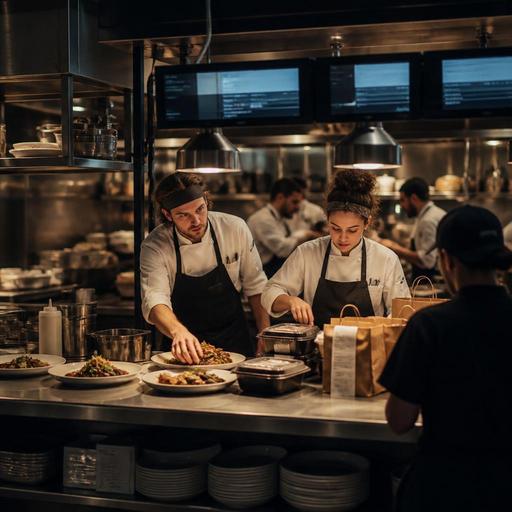
Managing VIP, Dine-In, and Delivery Orders in High-Volume Kitchens
Order prioritization in high-volume kitchens is one of the most practical challenges restaurant operators face. When VIP tables expect flawless timing, dine-in guests want a smooth service pace, and delivery platforms keep sending tickets into the same production line, the kitchen can quickly become reactive instead of controlled. The goal is not to serve one channel at the expense of another. It is to build a clear order prioritization system that protects guest experience, supports kitchen flow, and gives staff simple rules they can follow during peak periods.
Why mixed order flow becomes chaotic so quickly
Large kitchens rarely struggle because cooks do not work hard enough. Problems usually begin when the restaurant has no shared logic for deciding what should be fired first, what can wait, and who is allowed to change the sequence. A VIP guest may need discreet attention. A dine-in table may be waiting on appetizers before mains can move. A delivery order may have a pickup promise that is invisible to the grill station. Without one clear view of priority, every team member creates their own version of urgency.
This creates familiar symptoms: expo keeps calling for rushes, delivery drivers arrive before bags are ready, servers ask cooks to jump tickets, and managers make exceptions so often that the line loses trust in the system. In these moments, the issue is not simply speed. It is the absence of structured decision-making.
A practical kitchen should define priority by service impact, not by whoever shouts first. That means looking at ticket age, promised handoff time, course pacing, guest sensitivity, and production constraints at the same time.
Build a priority framework before the rush starts
The strongest restaurants do not improvise order rules in the middle of service. They decide them in advance. A good framework gives the kitchen and front of house a common language for what matters most.
For example, a steakhouse may decide that:
- VIP dine-in tables receive tighter communication and plating checks, but do not automatically skip every other ticket.
- Dine-in main courses follow course pacing and table readiness, especially when guests are already seated and waiting.
- Delivery orders are fired based on pickup windows, not just the time they entered the POS.
- Large-party tickets may need staggered production so the pass does not clog with one table.
- Rush requests can only be approved by one role, such as the expo chef or kitchen manager.
This kind of framework prevents emotional decision-making. A VIP order can still be handled with care, but the kitchen avoids the damaging habit of constantly pulling active tickets off the line. In many operations, the best rule is that VIP status changes communication and quality control more than it changes the entire firing sequence.
Another useful step is to separate order importance from order urgency. A VIP guest may be important, but a delivery order with a driver already en route may be more urgent. Teaching managers and servers to understand that distinction reduces unnecessary conflict with the kitchen.
Set channel-specific workflows for VIP, dine-in, and delivery
Different order channels create different operational risks, so they should not all be managed identically. The kitchen needs a workflow that reflects what success looks like for each one.
VIP orders
VIP service is usually less about raw speed and more about precision. The guest expects confidence, consistency, and well-timed attention. In practice, this means flagging the table early, confirming allergies or preferences before firing, assigning final plate checks, and making sure no course sits in the pass. A chef or expo lead should know about the table before the critical moment arrives.
For example, if a regular guest always orders fish with a specific modification, that note should appear clearly and early. The kitchen should not discover it only when the server arrives asking for a last-minute change.
Dine-in orders
Dine-in service depends on pacing. Guests notice long gaps between courses, mains arriving before starters are cleared, or one plate at a table landing far ahead of the others. Prioritization here should account for table stage, seat count, and synchronization. A six-top waiting on all mains is a different situation from a two-top that has just ordered appetizers.
Many kitchens improve flow by using hold-and-fire rules. Instead of sending every course immediately, the system can delay mains until the table is close to ready. This reduces pass congestion and lowers the chance of remakes.
Delivery orders
Delivery has a different clock. The guest does not see the kitchen, but they feel every late handoff, missing item, or soggy product. Delivery orders should be timed backward from the promised pickup or dispatch window. If fries are cooked too early, quality drops before the courier even leaves. If the whole order is delayed because one station missed the pickup target, the restaurant may absorb complaints for food that was actually cooked well.
A simple practice is to identify which menu items travel poorly or require last-minute finishing. Those items should be fired closer to handoff, while stable components can be prepared earlier. This is where digital order management helps: the team can see channel, timing, and item notes without relying on verbal relays.
Use station design, expo control, and digital visibility together
Order prioritization fails when it lives only in the manager's head. It must be visible at station level. Grill, fry, garde manger, pastry, and packaging all need to understand which tickets are next and why.
The expo position is especially important in large kitchens. Expo should not just call plates; this role should control sequencing, communicate holds, and prevent random interruptions. When everyone can bypass expo, the line becomes vulnerable to constant reprioritization.
Digital tools can support this without making service feel robotic. A kitchen display or order management layer can show:
- order source such as dine-in, direct online order, or delivery platform
- promised ready time or pickup time
- VIP or special-service flags
- course status and hold instructions
- modifiers, allergy notes, and packaging needs
This visibility matters because prioritization is rarely about one ticket alone. It is about understanding the queue. If the team sees that three delivery orders are due within minutes while a VIP table is still finishing starters, they can make better decisions than if each station only sees isolated chits.
Platforms such as Restomas can support this broader view by connecting digital menus, ordering flow, and service data in one place, which helps operators reduce miscommunication between front of house, kitchen, and off-premise channels.
Train staff on exception handling, not just normal service
Many restaurants explain the ideal workflow but never train the team for what happens when the dining room fills, a courier arrives early, and a VIP table requests an accelerated main course all at once. That is when prioritization skills matter most.
Create short operating rules for common exceptions:
- If a VIP request conflicts with active ticket flow, expo decides whether to resequence or add recovery touches elsewhere.
- If a courier arrives early, staff should give a realistic wait time instead of forcing the kitchen into a panic rush.
- If a table is delayed between courses, the server must update the hold status before mains are fired.
- If a station is overloaded, the kitchen lead may temporarily throttle specific channels or menu items.
Pre-shift meetings are a good place to review these situations. So are post-service debriefs. If the team had to break the rules to survive a rush, ask why. Was the issue bad sequencing, poor screen visibility, unclear authority, or an unrealistic delivery promise? Small operational lessons lead to better prioritization than dramatic policy changes.
Owners should also review the menu itself. If a few dishes repeatedly disrupt timing across VIP, dine-in, and delivery channels, the problem may not be staff discipline. It may be menu engineering, prep design, or packaging mismatch.
What restaurant owners should do this week
If your kitchen regularly struggles to balance seated guests, special tables, and off-premise demand, start with a short operational reset rather than a full overhaul.
- Map your current order journey from entry to handoff for each channel.
- Define who has authority to reprioritize tickets during service.
- Create simple VIP, dine-in, and delivery handling rules that staff can remember.
- Identify menu items that should be held, staggered, or fired late for quality reasons.
- Make promised pickup times and service notes visible to the kitchen, not only the front desk.
- Review one busy shift and note where sequence broke down.
The best kitchens are not the ones that never face pressure. They are the ones that turn pressure into a repeatable flow. Clear order prioritization protects guest experience, reduces staff stress, and helps every channel perform without constant firefighting.
If you are refining how your restaurant handles mixed order flow, Restomas can help bring menu, ordering, and service visibility into a more organized daily operation.
