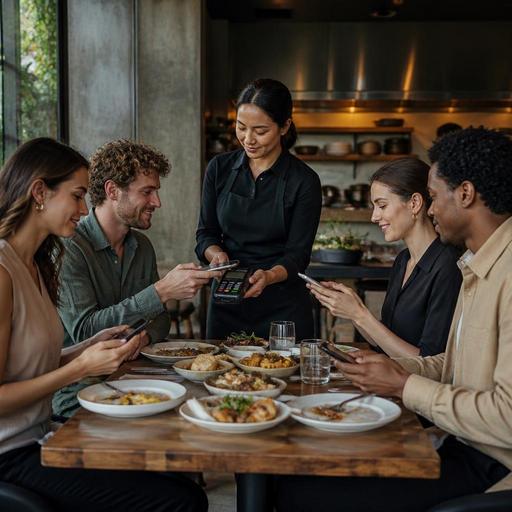
Split Bill Systems for Restaurants: Faster Group Payments Without Table Delays
When a table of friends, coworkers, or families asks to pay separately, the checkout process can slow down fast. Split bill systems for restaurants help solve this common service bottleneck by making it easier to divide items, assign shared dishes, and close checks without confusion. For operators, the benefit is not only guest convenience. Better bill splitting can improve table turnover, reduce staff stress, and prevent small payment errors that damage trust at the end of the meal.
Group dining is valuable for many restaurants, but it also creates one of the most awkward parts of service. A smooth meal can end with ten minutes of math, card handoffs, item disputes, and repeated trips to the POS. In busy periods, that delay affects not just one table but the rhythm of the whole floor. The practical goal is simple: let guests settle the bill in the way they want, while keeping service moving.
Why split payments create operational friction
Most restaurants do not struggle with split bills because staff are unhelpful. They struggle because the process is often improvised. Servers may need to remember who ordered what, separate shared appetizers manually, or re-enter payment amounts under time pressure. If the POS flow is clumsy, one large party can occupy a server far longer than it should.
Common friction points include:
- Guests decide to split only when the check arrives.
- Shared plates, bottles, and add-ons are not clearly assigned.
- One guest leaves early and wants to pay before the rest.
- Different payment methods are used at the same table.
- Staff must return several times to correct mistakes.
These are not rare edge cases. They happen in casual dining, cafes, bars, family restaurants, and venues that host birthdays or work dinners. The more often your concept serves groups, the more valuable a clean split-bill workflow becomes.
What effective split bill technology should actually do
Not every payment feature solves the real problem. A useful setup should support the way guests behave in real service, not force the team into workarounds. The best split-bill tools combine clear item visibility, flexible payment options, and simple staff controls.
Item-level visibility matters
Guests should be able to see what was ordered in a clear format. If four people share starters and each person has a different main course, the check must show enough detail to divide it logically. Item-level clarity reduces disputes and gives staff a neutral reference point when questions come up.
Flexible splitting options reduce awkward moments
Different groups want different methods. Some want to pay by item. Others want an equal split. Some want one person to cover drinks while others divide food. Technology should support several paths instead of assuming every table behaves the same way.
Useful options often include:
- Split equally across a chosen number of guests
- Assign specific items to specific guests
- Divide shared items proportionally
- Allow one guest to pay part of the balance and the rest to split the remainder
- Accept multiple cards or digital payment methods on one table
Staff control is still essential
Guest-facing tools are helpful, but servers and cashiers still need oversight. Staff should be able to correct assignments, combine or separate items, and confirm that the final balance is accurate before closing the table. Technology should reduce service effort, not remove staff from the process entirely when human judgment is needed.
Practical ways restaurants can use split-bill tools on the floor
The biggest gains come when split-bill technology is built into daily operations instead of treated as an extra feature. Here are practical examples of how it can work in real service.
Example 1: Lunch groups on a tight schedule
Office diners often need a quick exit. If six guests each need separate receipts, a server can lose valuable minutes at the terminal. With a digital menu and ordering flow tied to the table, guests can review items and settle their shares faster. The result is less queueing at the POS and fewer delays during peak lunch turnover.
Example 2: Shared plates in casual dining
In restaurants where guests order several dishes for the table, equal splitting is often more practical than tracking every bite. A good system lets staff or guests choose an equal division in seconds, while still allowing exceptions such as one guest excluding alcohol or adding an extra dessert to their own share.
Example 3: Early departures in large parties
At birthdays or team dinners, one or two guests may need to leave before the event ends. If they can settle selected items or a custom amount before the final round of orders, the table remains open without creating accounting confusion later. This is especially useful in bars, terraces, and event-heavy venues.
How to implement split-bill workflows without confusing staff or guests
Technology alone will not fix checkout friction unless your operation defines a clear process. Implementation should be simple, visible, and easy to explain.
- Map your most common group-payment scenarios. Review the situations that slow your team down most often: equal splits, shared bottles, individual receipts, or partial payments before departure.
- Set a house rule for when staff introduce the option. For example, servers may mention split payment support when seating larger groups or when delivering the first round.
- Train staff on two or three standard flows. Keep it practical. Show them how to split equally, assign items, and handle one guest paying early.
- Use clear table-level item naming. Menu and POS labels should be easy for guests and staff to recognize quickly, especially for modifiers and add-ons.
- Make the payment path visible. If guests can access checkout by QR menu or a table-linked digital flow, the prompt should be obvious without feeling intrusive.
- Review exceptions weekly. Track where confusion still happens and adjust menu structure, staff scripts, or payment settings accordingly.
A simple phrase can help staff reduce end-of-meal friction: If you would like to split the bill, we can do that by item or evenly. This sets expectations early and makes the option feel normal rather than inconvenient.
Menu structure and digital ordering also affect bill splitting
Many owners think split billing is only a payment issue, but menu management plays a major role. If combo meals, modifiers, extra toppings, or shared add-ons are poorly structured in the POS or digital menu, final checks become harder to understand. Clean menu architecture supports clean payment logic.
For example, if a table orders fries for sharing, an extra sauce, two mains with substitutions, and a pitcher of drinks, the system should display each element clearly. Vague item names or bundled entries create confusion when dividing the bill later. Restaurants that invest in accurate digital menus often find that payment disputes decrease because the order record is easier for everyone to follow.
This is where a connected platform matters. When menus, orders, and checkout are linked, staff spend less time reconciling information across separate tools. A restaurant using QR menus, table-based ordering, and organized payment flows can give guests more control while keeping management visibility intact.
How better bill splitting improves the guest experience
Guests rarely remember a fast payment process in the same way they remember a signature dish, but they definitely remember a frustrating one. The final minutes of service shape the last impression. When payment is smooth, the whole visit feels more polished.
Better split-bill handling helps restaurants:
- Reduce awkward discussions over who owes what
- Shorten the time between asking for the check and leaving the table
- Lower the chance of payment mistakes
- Support larger parties without overloading staff
- Create a more modern, flexible service experience
For operators, this is not just about convenience. It is about protecting service quality during busy periods and making group dining easier to manage profitably. Restaurants that serve many social occasions, work meals, and family gatherings should treat split billing as a core operational workflow, not a minor checkout feature.
With connected tools such as digital menus, table-linked ordering, and flexible checkout options, platforms like Restomas can help restaurants make group payments simpler for guests and easier for staff to manage.
