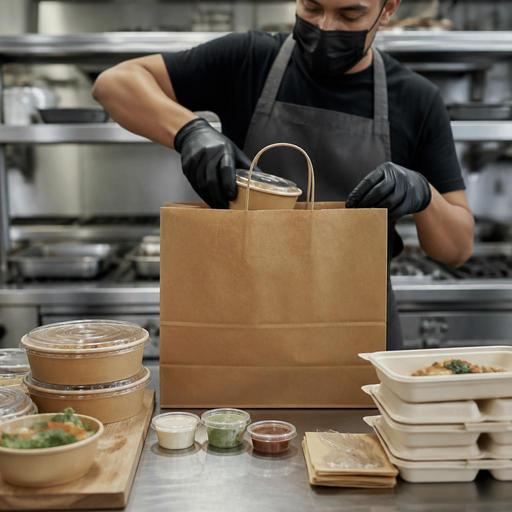
Why Delivery Packaging Matters More Than You Think for Guest Satisfaction
Delivery packaging guest satisfaction is often shaped long before a customer takes the first bite. In off-premise dining, the package becomes part of the meal: it protects temperature, preserves texture, prevents spills, communicates care, and affects how easy it is to unpack, serve, and enjoy the food at home or at work. For restaurant owners, this means packaging is not just a purchasing decision. It is an operational and guest-experience decision that can quietly strengthen loyalty or create frustration.
When delivery complaints appear, operators often focus first on food preparation time, courier delays, or menu pricing. Those factors matter, but packaging is one of the few areas a restaurant can control directly every day. A soggy fried item, a leaking sauce cup, a melted dessert, or a missing label can make a well-cooked order feel careless. On the other hand, a meal that arrives organized, intact, and easy to enjoy can make the entire brand feel more professional.
Packaging is part of the product, not just a container
In dine-in service, guests judge plating, table setup, and service flow. In delivery, packaging takes over many of those roles. It becomes the first physical touchpoint the guest sees and handles. If lids are hard to open, steam is trapped, or hot and cold items are packed together, the guest experiences friction before tasting the food.
Consider a burger restaurant that sends fries in a tightly sealed plastic container. The fries may leave the kitchen crisp, but trapped steam softens them during transit. The guest may blame the food itself, even though the issue began with the container choice. A salad concept can face the opposite problem when dressing leaks into greens because toppings were not separated. In both cases, food quality is reduced by packaging design rather than cooking skill.
Practical packaging decisions should match the menu item:
- Fried foods need ventilation to reduce steam buildup.
- Soups and sauces need secure seals and upright support inside the bag.
- Cold desserts should be separated from hot dishes.
- Bowls and salads benefit from compartmentalization when texture matters.
- Family meals need clear labeling so guests can identify each item quickly.
This is why operators should review packaging item by item, not as one standard solution for the whole menu.
Small packaging failures create big emotional reactions
Guests are often more forgiving of a short delay than a messy arrival. Delivery already includes uncertainty: customers cannot see the kitchen, check the tray, or ask for a quick correction before leaving. If the bag is greasy, drinks tip over, or condiments are missing, the guest feels risk and inconvenience all at once.
These moments matter because delivery is usually consumed in a different context than dine-in. The customer may be at home with children, in an office between meetings, or ordering late at night when patience is low. Packaging that forces them to search through the bag, clean spills, or reheat damaged food adds work to the meal. That extra effort lowers satisfaction even if the flavor is good.
Restaurants can reduce these friction points with simple habits:
- Use a final packing checklist for every order type.
- Separate hot, cold, liquid, and fragile items before bagging.
- Label containers clearly, especially for modified orders.
- Place sauces and cutlery only when needed, based on order rules.
- Test how the order looks and holds up after 20 to 30 minutes in transit.
A practical test is to place a completed order in a delivery bag, move it as a courier would, and open it later as a guest would. This reveals issues that are easy to miss during kitchen rushes.
Menu design and packaging should be managed together
One common mistake is treating packaging as separate from menu management. In reality, some dishes travel well and some do not. A restaurant may keep a popular dine-in item on delivery platforms even when it repeatedly loses texture, structure, or temperature in transit. That creates avoidable dissatisfaction.
Operators should regularly review which items generate complaints, refunds, or poor ratings in delivery. If a dish consistently arrives badly, there are usually three options: change the packaging, change the dish format, or remove it from delivery. For example, a layered nacho dish may travel poorly when packed fully assembled, but work better if chips, toppings, and sauces are separated. A steak dish may need a different cut instruction or side arrangement for off-premise orders. A dessert with delicate garnish may need a simplified delivery version.
This is where digital menu tools can help. Restaurants that manage menus centrally can create delivery-specific descriptions, modifier rules, and item availability based on what travels best. They can also standardize notes for packing teams, such as when to vent a container, when to keep dressing on the side, or when to include reheating guidance. Clear digital workflows reduce guesswork, especially across multiple shifts or locations.
Packaging affects operations as much as guest experience
Better packaging does not only improve the customer side. It also supports smoother operations. When a restaurant uses too many container types without a clear system, packing slows down, errors increase, and staff waste time searching for the right lid or bag size. During peak delivery periods, that confusion can create bottlenecks between the kitchen, expo, and courier handoff area.
A more efficient approach is to build a packaging system around actual order patterns. Group containers by use case, define packing stations clearly, and train staff on a few repeatable assembly standards. For example, one shelf can hold all hot main containers, another all sauce cups and labels, and another all drink sealing materials. If staff know exactly how a two-person lunch order or family dinner order should be packed, consistency improves.
Restaurants should also document packaging standards the same way they document recipes. A packing guide can include:
- Which container each menu item uses
- Whether the lid should be vented or sealed
- What is packed separately
- Where labels are placed
- Which items require a tamper-evident seal
- How bags are organized for courier pickup
Digital order management makes this easier because packing notes can be attached to items and seen by the team in real time. That is especially useful when menus change seasonally or when limited-time items need special handling.
How to improve delivery packaging without overcomplicating the business
Restaurants do not need an expensive packaging overhaul to make meaningful progress. The best starting point is a focused review of the guest journey from kitchen pass to first bite. Look at complaints, remake reasons, refund patterns, and internal staff feedback. Then identify the few packaging problems that appear most often.
Start with practical actions:
- Audit your top delivery items and check whether each one truly travels well.
- Run side-by-side tests with different containers for heat, texture, and spill resistance.
- Reduce unnecessary packaging variation so staff can pack faster and more accurately.
- Add item labels for modified dishes, family bundles, and allergy-sensitive orders.
- Separate menu channels so delivery menus reflect what performs best off-premise.
- Train staff on packing as a service standard, not a last-minute task.
It is also helpful to ask a simple internal question: Would we be happy receiving this order ourselves? That mindset shifts packaging from a cost line to a brand experience tool.
Over time, restaurants that connect menu performance, packing accuracy, and guest feedback can make smarter delivery decisions. A well-managed digital system supports this by keeping menus current, organizing order flow, and helping teams apply consistent packing rules during busy service. Restomas can support restaurants that want to coordinate those delivery details more clearly across menus and operations.
