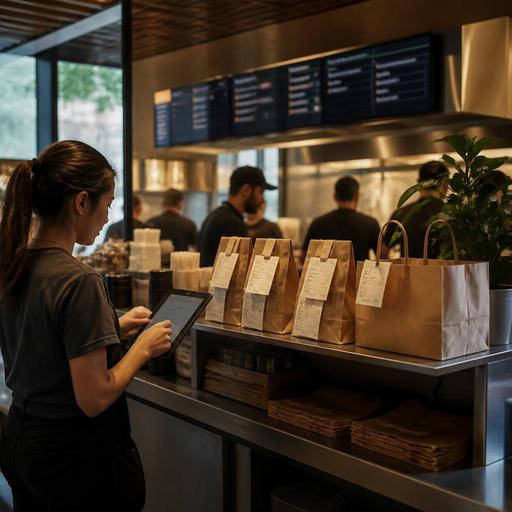
DoorDash vs Uber Eats vs Direct Online Ordering for U.S. Restaurants
For many operators, DoorDash vs Uber Eats vs direct online ordering for U.S. restaurants is not really a marketing question alone. It is an operations question that affects ticket flow, packaging, staffing, guest data, menu control, and how profitable each off-premise order feels at the end of the shift. Whether you run a neighborhood burger spot in Dallas, a fast-casual salad concept in Chicago, a diner outside Philadelphia, or a food truck that also takes pickup orders near a brewery in Denver, the right mix depends on workflow more than hype.
Third-party delivery apps can bring reach and convenience, especially when a restaurant wants visibility in a crowded market or needs demand during slower dayparts. Direct ordering, on the other hand, usually gives operators more control over branding, guest communication, and repeat business. Most U.S. restaurants do not need to choose only one path. They need a clear playbook for when to use marketplaces and when to push guests toward direct takeout, curbside pickup, or in-house delivery.
What third-party marketplaces do well for U.S. operators
DoorDash and Uber Eats can help restaurants capture demand from guests who are already browsing delivery apps. That matters in dense urban neighborhoods, college towns, airport concession environments, and suburban trade areas where convenience drives dinner decisions. A new wing concept in Atlanta may use delivery apps to get discovered. A hotel restaurant in Orlando may rely on app demand from nearby travelers who do not know the local market. A late-night taco shop in Phoenix may need the app audience more than a breakfast cafe that already has a loyal weekday crowd.
Operationally, marketplaces can help with:
- Demand generation when your brand is not yet the first choice in the neighborhood.
- Delivery logistics if you do not want to build your own driver workflow.
- Extended reach beyond your dine-in guest base.
- Daypart support for slow afternoons, late night, or rainy days.
But app orders also create friction. Menus can drift if your POS and marketplace menus are not synced. A fried chicken sandwich that travels well may become a top seller on apps, while fries lose quality after 20 minutes. A sports bar in a stadium-adjacent district may see a flood of app tickets before kickoff, while walk-in tabs are also building. Without a kitchen display system and throttle rules, the line can get buried fast.
Where direct online ordering usually wins
Direct online ordering works best when the restaurant already has local demand, repeat guests, or a strong pickup habit. Think of a New Jersey pizzeria with regular Friday takeout, a coffee shop in Seattle with office-worker breakfast orders, or a multi-location fast-casual bowl concept in Southern California that wants consistent menu control across stores. In these cases, sending guests to your own ordering channel can simplify the guest relationship.
Direct ordering often gives operators stronger control over:
- Menu accuracy across modifiers, sold-out items, and limited-time offers.
- Guest data for repeat ordering, loyalty, and service recovery.
- Brand presentation including photos, upsells, and pickup instructions.
- Operational timing through prep-time settings, pickup windows, and order throttling.
- Order mix by steering guests toward pickup, curbside pickup, or house delivery where available.
Direct ordering also makes it easier to build workflows around your actual floor and kitchen. A suburban family restaurant can set a pickup shelf near the host stand, route online orders directly into the POS, and use text updates to reduce phone calls. A food truck can accept pre-orders for a lunch stop and fire tickets based on pickup time rather than letting a delivery app stack too many rush orders at once.
That said, direct ordering requires traffic. Operators need active social links, Google Business Profile updates, email or SMS retention, and staff who mention takeout options on every guest check. If your own channel is hard to find, slow on mobile, or confusing about curbside pickup, guests will default to the apps.
How to compare the workflows, not just the fees
Too many restaurants compare channels only by commission or payment cost. The better comparison is the full workflow from guest order to handoff. Ask what happens at each step.
1. Menu management
If you update prices, 86 items, or run daypart menus, can those changes happen once and flow everywhere? A breakfast-and-lunch cafe in Boston may need to cut off breakfast sandwiches at a precise time. If one marketplace lags behind your POS, your staff ends up calling guests about substitutions. That costs labor and hurts reviews.
2. Kitchen pacing
Can you throttle order volume by channel? A Nashville hot chicken shop might want direct pickup orders to keep flowing while limiting app delivery orders during the lunch rush. A good setup protects dine-in service and prevents delivery tickets from overwhelming the fry station.
3. Guest handoff
Where do completed orders go? A pickup shelf works for sealed takeout in a fast-casual store, but not for milkshakes melting in a warm lobby. A bar-and-grill may need a staff handoff point to verify drinks and food together. Hotel restaurants may need separate workflows for lobby pickup, room service, and third-party drivers.
4. Payment and tipping flow
Operators should understand how tips, service charges, and reporting appear in each channel. In the U.S., the workflow around tipped staff can differ between dine-in, direct online pickup, and third-party delivery. Make sure your team knows which tips go to in-house staff, how they appear in the POS or payment reports, and how to reconcile them. Because tax, tip reporting, and service charge treatment can vary, verify current requirements with your accountant, payroll provider, and official state or local guidance.
5. Guest support and refunds
If an order is late or missing an item, who owns the recovery? On direct orders, your team usually controls the response. On marketplaces, the guest may contact the app first. A clear policy helps managers act quickly without debating every case during service.
A practical channel strategy for different U.S. restaurant models
Most operators should not treat every channel the same. Build channel rules around what your concept does best.
- Neighborhood full-service restaurant: Use apps for discovery and slow dayparts, but push repeat guests to direct takeout and curbside pickup. Train hosts and servers to mention direct ordering on every check.
- Fast-casual or QSR: Make direct ordering the default for pickup. Use QR ordering, app links, and a clearly marked pickup shelf. Keep third-party delivery menus tighter than dine-in menus to protect speed.
- Pizza, wings, and high-repeat takeout concepts: Prioritize direct ordering because regulars already know you. Use marketplaces selectively for new guest acquisition or late-night coverage.
- Food trucks: Use direct pre-ordering for scheduled stops and events. Open marketplace delivery only when the location and labor setup support it.
- Multi-location brands: Standardize menu sync, prep times, and reporting across stores. One store should not promise 15-minute pickup while another needs 35 minutes unless that difference is deliberate and visible.
For larger chains, also keep ADA-minded access and menu clarity in view across web and mobile ordering paths. If your brand falls under FDA menu labeling rules or other chain-specific requirements, make sure online menu displays and updates are reviewed carefully and verified with qualified advisors and official guidance.
Actions you can take this month
- Audit every ordering channel as if you were a guest on an iPhone in your parking lot.
- Compare menu pricing, modifiers, photos, and sold-out behavior across POS, direct ordering, and delivery apps.
- Map ticket flow from order placement to kitchen display system to pickup shelf or driver handoff.
- Decide which items travel well and create channel-specific menus when needed.
- Set rush-hour throttle rules so dine-in and takeout do not collapse each other.
- Review how tips, sales tax, refunds, and service charges appear in reports, then confirm handling with your advisors.
- Train staff to guide repeat guests toward direct ordering for the smoothest pickup experience.
The strongest U.S. restaurant strategy is usually a balanced one: use DoorDash and Uber Eats where they add reach, but build a direct ordering workflow that protects margins, guest relationships, and kitchen control. Restomas helps operators connect menus, ordering, and service workflows in one place so off-premise growth is easier to manage.
