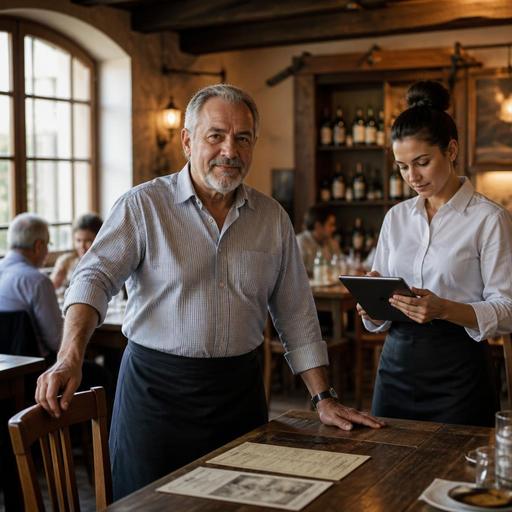
How to Digitize a Heritage Restaurant Without Losing Its Soul
For many owners, digitizing a traditional restaurant feels like a trade-off: better systems on one side, atmosphere and identity on the other. In practice, the best digital changes do the opposite. They remove friction behind the scenes, make service smoother, and protect the personal touches guests already love. A family dining room, neighborhood grill, historic cafe, or long-running regional restaurant does not need to become cold or generic to work more efficiently.
The key is to treat technology as support rather than replacement. Guests usually remember the warmth of the greeting, the confidence of the staff, the pacing of the meal, and the character of the menu. They do not visit because a restaurant uses paper tickets or handwritten reservation notes. Owners who digitize successfully keep the visible personality of the business while improving the invisible systems that shape consistency.
This article looks at practical ways to modernize operations without flattening what makes a traditional restaurant special.
Start by protecting what should not change
Before choosing software, define the parts of the restaurant that guests associate with its character. This sounds simple, but it prevents expensive decisions that solve the wrong problem. A traditional restaurant may be known for tableside hospitality, a menu explained verbally by experienced staff, a handwritten specials board, or a dining room rhythm built around shared dishes.
Those elements can stay. What often needs modernization is the operational layer underneath them: menu updates, order transmission, reservation handling, payment flow, and reporting. When owners separate identity from process, digitization becomes easier to plan.
Ask three practical questions
- What do guests actively value? For example, a warm welcome, familiar servers, or a sense of ceremony around ordering.
- Where do staff lose time or make avoidable mistakes? For example, unclear handwriting, menu items sold out but still offered, or double-booked tables.
- Which processes happen out of guest view? These are often the safest areas to digitize first.
Consider a classic neighborhood restaurant with loyal repeat guests. The owner may keep printed menus because they suit the room and the clientele. That does not mean the kitchen should still rely on verbal updates about sold-out dishes. A digital menu management system can update availability instantly for staff and QR access, while the printed menu remains on the table as part of the brand experience.
Digitize the back end first, then improve the guest journey
The least disruptive path is usually to start where guests feel the least change. Order management, table status, reservations, and basic reporting can be modernized without changing the tone of service. In many traditional restaurants, this alone reduces stress enough to improve hospitality naturally.
Menu management without losing menu personality
Traditional menus often carry history. They may include regional dish names, family recipes, or a distinctive writing style. Digitization should preserve that voice. What changes is the speed and accuracy of updates. Seasonal dishes, price adjustments, modifier options, and sold-out items become easier to manage across service channels.
A practical example is a seafood restaurant that changes supply daily. Instead of reprinting menus every time availability shifts, the restaurant can keep a stable printed core menu and use a digital version for daily catches, market specials, and allergens. Staff can still present dishes personally, but they do so with current information.
Order flow that supports experienced staff
Some owners worry that digital ordering makes service feel impersonal. That only happens when technology replaces guidance where guidance matters. In a traditional setting, digital tools can support servers rather than sideline them. Staff can enter orders faster, send them clearly to the kitchen, and track timing between courses without repeated back-and-forth.
This is especially useful in restaurants with custom requests. A grill house, for example, may need clear notes for doneness, side choices, allergy concerns, and pacing. A structured digital order flow reduces kitchen confusion while allowing the server to maintain a conversational, human style at the table.
Reservations that fit the house style
Many long-running restaurants still manage bookings through phone calls and notebooks because they want a personal touch. They do not have to abandon that. A digital reservation system can keep phone reservations, walk-ins, and online bookings in one place. The advantage is not less hospitality; it is fewer missed details.
Guest notes such as favorite tables, accessibility needs, celebration occasions, or pacing preferences become easier to track. A host can greet a returning guest warmly because the system helps memory, not because the restaurant has become automated.
Use digital tools to strengthen hospitality, not replace it
The best guest-facing technology in a traditional restaurant is usually optional, subtle, and clearly useful. Not every table wants the same level of digital interaction. Some guests prefer scanning a QR menu, splitting the bill digitally, or checking allergens on their own. Others want a server to explain everything. Good digitization supports both preferences.
A common mistake is forcing one behavior on every guest. A better model is layered service:
- Keep the human welcome first. The first interaction should still feel personal.
- Offer digital convenience where it removes waiting. Examples include QR menus, faster reorders, or easy bill requests.
- Let staff stay available for advice and upselling. Technology should free time for better conversations, not eliminate them.
Imagine a traditional breakfast cafe on a busy weekend. Regulars may order from memory, tourists may need photos and translations, and families may want to pay quickly before leaving. A digital layer can handle menu browsing and payment convenience while staff focus on recommendations, table turns, and guest care.
This balance matters because character lives in interaction. If digitization gives servers more time to explain a signature dish or remember a repeat guest, then it is preserving the soul of the restaurant, not threatening it.
Train staff around confidence, not just software steps
Even good systems fail when teams feel that technology has been imposed on them. In traditional restaurants, long-serving staff may worry that digital change undermines their expertise. Owners should frame new tools as a way to reduce repetitive friction, protect standards, and make service easier during peak hours.
What effective rollout looks like
- Explain the reason for each change. Staff adopt systems faster when they understand the operational benefit.
- Train by service scenario. Use real moments such as a table change, allergy note, split bill, or sold-out item.
- Keep one clear process. Avoid running multiple unofficial methods in parallel for too long.
- Collect feedback after live shifts. The people using the system will spot practical issues quickly.
For example, if a cafe introduces QR menus and order management, the team should know exactly when to guide guests toward the QR option and when to step in personally. A server should never sound like they are pushing technology to avoid service. They should sound like they are offering a convenient choice.
It also helps to appoint one shift leader or senior staff member as the internal champion for each new workflow. In traditional businesses, peer trust often matters more than formal training documents.
Modernize your restaurant in phases
Trying to change everything at once is the fastest way to create resistance. A phased approach protects service quality and lets owners measure what actually improves daily work.
A practical sequence for traditional restaurants
- Digitize reservations and table management. This reduces booking errors and host stress quickly.
- Improve menu management. Make updates, availability, and modifiers easier to control.
- Connect order flow to kitchen operations. Focus on clarity, speed, and fewer mistakes.
- Add guest-facing options selectively. Introduce QR menus, digital bill requests, or online reservations where they solve clear friction.
- Review data monthly. Look for patterns in peak times, popular dishes, cancellations, and service bottlenecks.
This order keeps the restaurant recognizable while steadily improving consistency. Owners can preserve printed menus, table rituals, and signature service language while using digital systems to support them quietly in the background.
Traditional restaurants do not lose their character because they adopt better tools. They lose it when they copy generic service models that do not fit their concept. The goal is not to make every guest interaction digital. The goal is to remove the avoidable operational chaos that distracts from genuine hospitality.
When menu updates are accurate, reservations are organized, orders reach the kitchen clearly, and staff spend less time solving preventable problems, the restaurant has more room to be itself. That is what thoughtful digitization should do. If you want to modernize step by step, platforms like Restomas can help bring menu, reservation, and service workflows into one practical system without changing the personality guests came for.
