How U.S. Restaurants Build Loyalty Programs Around Visits, Spend, Birthdays, and Smart Messaging
Loyalty programs for U.S. restaurants work best when they fit the way guests already order, pay, and come back. A neighborhood cafe may reward the tenth coffee, a fast-casual salad shop may reward total spend, and a full-service grill may use birthday offers to bring families back on slower weeknights. The key is not just offering points. It is building a program your team can run inside daily operations without slowing the line, confusing servers, or creating awkward checkout moments.
For U.S. operators, loyalty also touches real workflow details: POS integrations, QR ordering, direct online ordering, delivery app limitations, pickup shelf handoff, curbside pickup verification, and how offers appear on checks and tabs. If you operate multiple locations, the challenge grows: guests expect one account, one balance, and consistent redemption rules whether they order at a suburban diner, a downtown lunch counter, or a hotel restaurant outlet.
Choose the reward logic that matches your service model
The first decision is simple: what behavior are you trying to increase? More visits, higher average check, stronger off-peak traffic, or better guest retention after first purchase? Different restaurant formats usually need different logic.
- Visit-based loyalty fits coffee shops, bakeries, smoothie bars, dessert counters, and lunch spots with frequent repeat traffic. Example: a Chicago cafe gives a reward after a set number of weekday visits, helping drive commuter habits.
- Spend-based loyalty fits casual dining, pizzerias, family restaurants, and bars where checks vary widely. Example: a Texas neighborhood grill rewards guests based on cumulative spend, which feels fair when one table orders burgers and another orders steaks and cocktails.
- Item-triggered loyalty works for specific products you want to grow, such as breakfast sandwiches, lunch combos, or nonalcoholic beverage add-ons.
- Birthday or anniversary offers fit brands that want a personal reason to bring guests back, especially for dine-in occasions or family meals.
A diner with strong breakfast traffic may combine visit-based rewards for weekday regulars with a birthday dessert offer. A fast-casual burrito brand may focus on spend-based rewards through its app and direct ordering site because guests order different dayparts and ticket sizes. A sports bar may choose event-driven rewards tied to game nights, but operators should verify any local alcohol marketing rules and platform policies before promoting alcohol-related offers.
Set up enrollment so guests can actually join
A loyalty program fails when sign-up is clunky. U.S. guests will not stop a lunch rush to fill out a long form at the register. Enrollment should be fast, mobile-friendly, and available in the channels you already use.
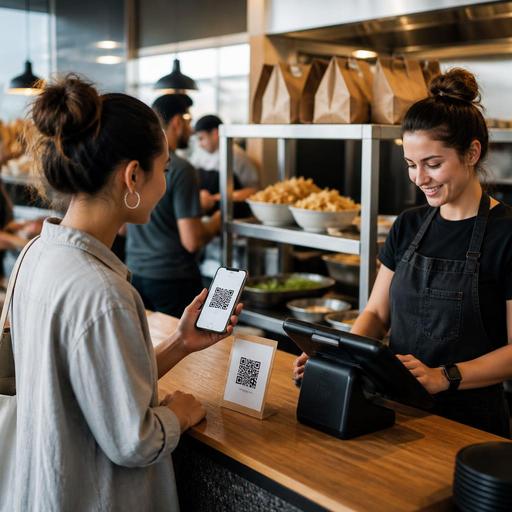
Practical options include QR codes on table tents, a prompt during direct online checkout, a simple phone-number flow at the POS, or a link on digital receipts. For full-service restaurants, servers should not have to deliver a long explanation at the table while managing refills and split checks. For QSR and fast-casual counters, the flow should not back up the line.
Keep the data request minimal at first. Name, mobile number or email, and birthday month are often enough to begin. If you ask for too much up front, conversion drops. You can always invite guests to complete more profile details later through a follow-up message or account page.
Make sure the guest experience works across real U.S. scenarios:
- A guest orders takeout from your direct site and wants loyalty credit automatically.
- A family picks up dinner from the pickup shelf and expects rewards to apply without staff intervention.
- A curbside pickup guest checks in from the parking lot and should not need to repeat account details by phone.
- A hotel restaurant serves both overnight guests and local diners, so staff need a clear way to identify whether loyalty applies at the outlet.
- A food truck rotates locations, so mobile enrollment matters more than countertop paper sign-up cards.
If you use delivery marketplaces, remember that third-party platforms may limit your access to guest data and loyalty connections. That makes direct online ordering especially valuable when you want to build repeat relationships rather than rent demand from apps.
Use birthday and milestone offers without training guests to wait for discounts
Birthday offers can work well, but only when they feel like hospitality rather than a blanket coupon. A free appetizer with dine-in purchase, a dessert for the table, or bonus points during the guest's birthday month can be more operationally sound than a deep discount. The goal is to create a reason to visit, not to replace normal purchasing behavior.
Milestone offers can do the same thing. For example, a Phoenix poke shop might send a reward after a guest's fifth order to encourage the next lunch visit. A family-owned pizza place in New Jersey might offer a bonus after three online orders to shift repeat customers from phone orders into direct digital ordering, where modifications, upsells, and pickup times are easier to manage.
Be careful with redemption friction. If the birthday offer only works Monday through Thursday, say so clearly. If the reward excludes alcohol, catering, or delivery app orders, make that visible before checkout. Staff should know how the offer appears in the POS, whether it reduces taxable items, and how it shows on the guest check. Sales tax treatment, service charges, and promotional discounts can vary by jurisdiction and setup, so operators should confirm the correct workflow with their POS provider, accountant, or qualified advisor.
Message guests responsibly and segment by behavior
Responsible messaging matters as much as the reward itself. Too many texts or emails can turn a loyalty program into background noise. Too few, and guests forget they joined. The best approach is behavior-based messaging that matches the guest's habits.
- New guest follow-up: thank them after the first order and explain how to earn the first reward.
- Lapsed guest reminder: invite them back after a quiet period with a relevant offer, such as lunch, coffee, or family takeout.
- Birthday message: send early enough to allow planning, not just on the exact date.
- Points balance reminder: tell guests when they are close to a reward.
- Location-aware messaging: for multi-location brands, send offers tied to the guest's usual store instead of a generic system-wide blast.
Keep frequency under control and make opt-out easy. Email, SMS, and app messaging can trigger privacy, consent, and marketing rules that differ by platform and location. Operators should follow current official guidance and verify message practices with qualified advisors and technology partners when needed. Operationally, the safest path is simple: get clear consent, store it properly, and avoid over-messaging.
Accessibility matters too. If your program uses QR codes, online sign-up pages, or app-based rewards, make sure the flow is readable, mobile-friendly, and usable for a broad range of guests. ADA-related obligations depend on context and current guidance, so confirm requirements with qualified professionals, but from an operations standpoint, offering an easy staff-assisted sign-up path is a smart backup.
Measure what matters at the store level
Loyalty should improve operations, not just create a bigger marketing list. Start with a few practical measures: repeat visit rate, average check among members, redemption rate, and how many orders shift into direct channels. Then review by location and daypart.
A breakfast cafe may discover that rewards drive strong weekday traffic but do little on weekends. A burger chain may find that loyalty members use curbside pickup more often than nonmembers. An airport concession may need very simple offers because travelers are one-time guests, while a suburban bar-and-grill may get much better results from local regulars and event-based messaging.
Train managers to review exceptions too. Are servers manually fixing missed points at the host stand? Are birthday rewards causing confusion at checkout? Are online orders earning rewards but in-store purchases are not? These are not marketing problems alone. They are workflow problems involving the POS, kitchen display system, staff training, and guest communication.
The strongest loyalty programs feel natural inside everyday service. They support faster ordering, cleaner guest data, and more repeat business across dine-in, takeout, QR ordering, and direct online channels. Restomas helps operators connect digital ordering, menu flows, and guest-facing experiences in ways that make loyalty easier to run across one location or many.
