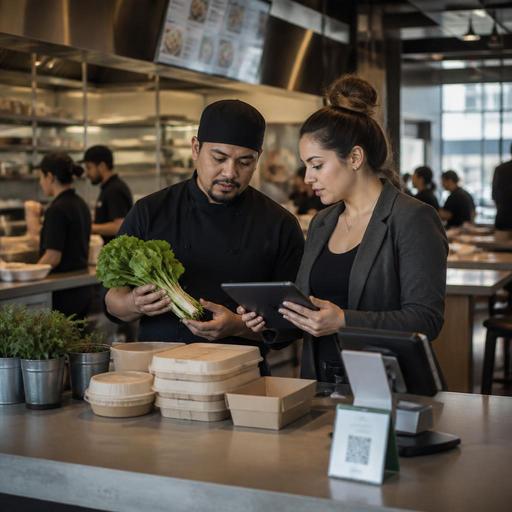
Sustainable Restaurant Operations in the U.S.: Waste, Sourcing, and Digital Menus
Sustainable restaurant operations in the U.S. are not just about compost bins or paper straws. For most operators, the real work happens in daily systems: how prep is forecast, how vendors are compared, how menu items are updated, how takeout packaging is chosen, and how staff execute service during a busy shift. Whether you run a neighborhood diner, a fast-casual salad shop, a hotel restaurant, a food truck, or a multi-unit brand, sustainability becomes practical when it reduces waste, protects margins, and fits your existing workflow.
In U.S. restaurants, that usually means connecting waste control, sourcing discipline, and digital menus into one operational loop. A burger spot in Chicago may need to reduce fry waste during late-night service. A coffee shop in Seattle may want to highlight local bakery partners and swap out sold-out pastries without reprinting boards. A Texas food truck may need to balance compostable packaging costs with heat resistance and pickup speed. The goal is not perfection. The goal is a repeatable system your team can actually use.
Start with a waste workflow, not a sustainability slogan
Many operators already know they have waste, but they do not track it in a way that changes behavior. Start by sorting waste into operational categories your kitchen and front-of-house team can understand:
- Prep waste: trim loss, overproduction, spoiled produce, expired sauces
- Service waste: wrong orders, abandoned tabs, remakes, dropped plates
- Takeout waste: extra condiments, unnecessary utensils, duplicate packaging
- Inventory waste: items that expire before use, low-turn specialty ingredients
- Buffet or holding waste: common in hotel breakfast service, airport concessions, and stadium venues
Use a simple daily manager log. If your chicken sandwich combo gets remade three times on Friday because modifiers are missed, that is not just food waste. It is a menu communication issue between ordering, POS, and kitchen display. If a soup-of-the-day routinely gets tossed after lunch, that may be a forecasting problem, not a purchasing problem.
For example, a fast-casual bowl concept can review its kitchen display system and discover that allergy notes or sauce choices are easy to miss during peak periods. A small fix in ticket formatting may reduce remakes immediately. A diner with a large laminated menu may notice that guests keep ordering a side that is often unavailable by 8 p.m. A digital menu can remove or de-emphasize that item late in the day, reducing both guest frustration and waste from panic prep.
For teams with tipped staff, less waste also supports cleaner service. Fewer remakes mean fewer delayed checks, fewer guest complaints, and a smoother tip flow for servers. If you track comps, voids, and service recovery in your POS, review those patterns alongside waste logs instead of treating them as separate issues.
Build sourcing rules your managers can actually follow
Sourcing becomes more sustainable when it is operationally consistent. Many restaurants want to buy local, seasonal, or lower-waste products, but the process breaks down when there is no standard for comparing vendors. Instead of relying only on sales calls or price sheets, create a short sourcing checklist for every key product category.
- Define the product standard. Size, pack format, shelf life, yield, and acceptable substitutes.
- Track delivery reliability. Late deliveries create emergency buying, which usually increases waste and labor stress.
- Measure usable yield. A cheaper case is not cheaper if trim loss is high.
- Review packaging impact. Bulk packaging may reduce waste, but only if storage and prep support it.
- Note menu flexibility. Can the ingredient work across multiple menu items?
A California cafe sourcing berries from regional farms may love the story, but if the product varies heavily in size and shelf life, pastry production and grab-and-go planning can suffer. A better approach is to use local sourcing where it fits the menu rhythm, then support it with digital menu updates that let you rotate bakery specials or parfait flavors without reprinting materials every few days.
For multi-location brands, sourcing rules matter even more. One location may have access to a strong local bakery, while another depends on a broadline distributor. You do not need every store to source identically, but you do need guardrails for approved substitutions, recipe updates, and menu visibility. Otherwise, guests ordering direct online or scanning a QR menu may see items that one location cannot execute consistently.
If you make sustainability claims on menus or marketing, keep them accurate and operationally supportable. Requirements around labeling, advertising, or chain menu disclosures can vary by context, and larger chains may also need to consider FDA menu labeling rules. Verify current federal, state, and local guidance with qualified advisors or official sources before publishing specific claims.
Use digital menus to reduce printing, confusion, and unnecessary waste
Digital menus help sustainability most when they improve decision-making, not when they simply replace paper. In U.S. restaurant operations, the biggest gains usually come from faster updates, better modifier control, and more accurate guest expectations.
Here are practical ways digital menus can reduce waste:
- 86 items in real time so guests do not order products that are no longer available
- Limit modifier confusion with clearer add-ons, allergy notes, and combo choices
- Promote low-waste specials that use surplus ingredients before they expire
- Adjust dayparts quickly for breakfast, lunch, happy hour, or late night
- Reduce unnecessary extras by making utensils, napkins, sauces, and condiments optional in online ordering
A suburban pizza shop can use direct online ordering to ask whether guests actually need plates, parmesan packets, and plastic cutlery for takeout. A downtown lunch cafe can push a same-day soup special at 1:30 p.m. to move remaining inventory before close. A hotel restaurant can use QR ordering near the pool to avoid printing weather-damaged menus while keeping availability current.
Make sure digital access is guest-friendly. ADA-related expectations can depend on the situation, and accessibility should be treated as part of hospitality, not just technology. Keep menu categories clear, use readable item descriptions, and provide an alternative path for guests who do not want to scan a QR code. Operators should verify current accessibility expectations with qualified advisors and official guidance when evaluating digital guest experiences.
Match packaging and off-premise service to real U.S. order patterns
For many U.S. restaurants, sustainability decisions succeed or fail in takeout and delivery. Packaging that looks eco-friendly on paper may create leaks, soggy fries, or higher remake rates. That is not sustainable if it drives refunds through delivery apps or hurts repeat orders in direct channels.
Review off-premise orders by channel: direct online ordering, third-party delivery apps, phone orders, curbside pickup, and pickup shelf traffic. Then ask:
- Which items travel well without over-packaging?
- Which sides or garnishes can be packed only on request?
- Where are spills, steam damage, or temperature loss causing waste?
- Can family meals or combo bundles reduce packaging per order?
A Nashville hot chicken shop may find that dine-in packaging standards should not be copied to delivery. A food truck serving tacos at an office park may use a lighter packaging setup for on-site lunch service but a different one for app-based dinner delivery. An airport concession may need packaging that supports grab-and-go speed while controlling utensil use and reducing abandoned items near gates.
Also review how service charges, tips, and taxes appear in digital ordering flows. In the U.S., sales tax and service charges are not the same thing, and guest confusion at checkout can create friction that undermines adoption. Tipping workflows should be transparent for both counter service and full-service contexts. Because rules and reporting obligations vary, operators should confirm current tax, payroll, and local compliance requirements with their accountant, payroll provider, or legal advisor.
Turn sustainability into a repeatable weekly management habit
The most effective sustainability programs are not side projects. They are part of the weekly operating cadence. A practical review can take 20 minutes and include the GM, chef or kitchen lead, and one front-of-house manager.
- Review top waste items from prep, service, and takeout
- Check 86 patterns and whether digital menus were updated fast enough
- Compare vendor issues including substitutions, quality, and delivery timing
- Look at remakes and comps from POS reports
- Adjust ordering and prep pars for upcoming dayparts and events
- Train staff on one small change instead of launching five new rules at once
This approach works in independent restaurants and multi-unit groups alike. A brunch restaurant can tighten avocado prep before weekend rushes. A sports bar can reduce wing sauce waste by refining portion tools. A fast-casual chain can standardize QR menu updates across locations so sold-out items disappear quickly during peak periods. Small process wins add up.
Sustainability is easiest to maintain when it supports speed, consistency, and guest clarity. If your digital menus, ordering channels, POS, and kitchen workflows work together, your team can make better decisions with less waste and less guesswork. Restomas helps operators connect those practical restaurant workflows in one place.