Weekend Waitlist Communication Tips for Busy U.S. Restaurants
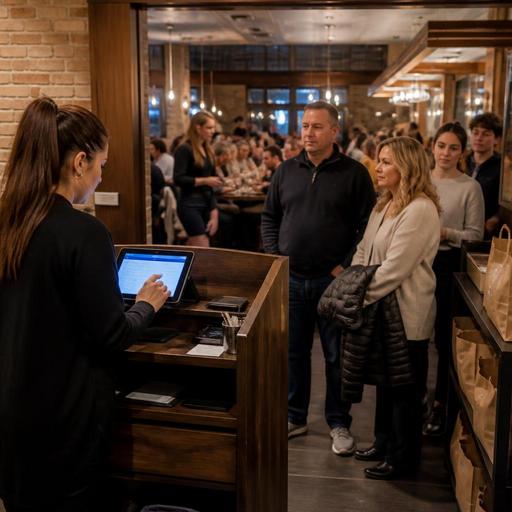
Weekend waitlist communication can make or break the guest experience in a busy U.S. restaurant. On Friday and Saturday nights, a packed host stand, long quoted waits, and a crowded entry can quickly turn into lost covers, frustrated guests, and stressed staff. Whether you run a neighborhood brunch spot, a fast-casual concept with limited seating, a hotel restaurant, or a bar with a dinner rush before the game, the goal is the same: give guests clear expectations, keep the line moving, and protect service for the dining room team.
Strong communication is not just about sending a text that says a table is ready. It is an operational system that connects the host stand, servers, floor managers, bussers, and the kitchen. In many U.S. restaurants, especially those juggling reservations, walk-ins, QR menus, direct online ordering, and delivery apps at the same time, a weak waitlist process creates pressure across the entire shift.
Set expectations before guests join the waitlist
The best waitlist communication starts before the guest puts their name in. A host should be able to explain the current wait in plain language, including what the estimate actually means. Instead of saying, It will be about 20 minutes, train hosts to say, We are currently quoting 20 to 30 minutes for a standard indoor table for two, and we will text you as soon as your table is nearly ready. That wording is more honest and easier to manage during a rush.
For example, a busy Chicago diner during Sunday brunch may have different waits for counter seats, patio tables, and booths for parties of four. A Dallas sports bar may move high-top tables faster than standard dining tables during a college football weekend. A Miami hotel restaurant may need to separate walk-in wait times from guest reservations and room-charge diners. When hosts quote one generic time for every guest, disappointment follows.
- Differentiate waits by party size, seating area, and accessibility needs.
- Offer realistic ranges instead of a single exact minute count.
- Explain how notifications will work: text, verbal update, or app-based message.
- Tell guests how long you can hold a ready table before moving to the next party.
- If your restaurant supports ADA-minded access needs, note that seating requests should be handled thoughtfully and verified against current local and federal guidance where needed.
If you use QR ordering or digital waitlist sign-up, make sure the flow is simple enough for a guest standing on a busy sidewalk or in a loud lobby. If a guest cannot or does not want to use a phone, the host team should always have a manual option. That is both good hospitality and a practical accessibility habit.
Build a host stand workflow that matches peak U.S. service
Waitlist communication fails when the host stand operates on memory, handwritten notes, and verbal updates shouted across the room. During peak weekend service, hosts need a repeatable process. That process should show where each party is in line, whether they prefer bar seating, whether they have kids, whether they need a stroller-friendly path, and whether they are likely to step out for curbside pickup from a nearby business or walk the block while they wait.
A practical host workflow often includes three communication moments:
- Join: Confirm party size, preferred seating, mobile number, and quoted range.
- Warm update: Send a message when the party is getting close, such as 10 minutes out.
- Ready notice: Tell the guest the table is ready and how long it will be held.
This structure works especially well for U.S. operators with heavy walk-in traffic. Think of a Nashville barbecue restaurant with a pickup shelf near the entrance, a Phoenix fast-casual brand with self-seating but limited patio capacity, or a New York neighborhood bistro where the bar fills up before dinner. In each case, the guest needs to know what happens next without asking the host stand every five minutes.
Managers should also define who owns the waitlist during the rush. If one host is greeting arrivals while another is cleaning up table statuses in the POS or reservation system, there should be a clear lead person making final calls. Otherwise, tables get promised twice or held too long while servers wait to turn them.
Use table status updates to improve quote accuracy
The biggest source of poor waitlist communication is bad table information. If the host stand does not know which checks are paid, which tabs are lingering over dessert, and which tables are waiting on bussing, every estimate becomes guesswork. U.S. restaurants that connect waitlist flow to table status, POS updates, and server communication usually quote more accurately and seat faster.
For example, a server in an Atlanta steakhouse may know that table 42 has already asked for the check. A floor manager in a Los Angeles sushi restaurant may know that a six-top is likely to sit longer because they just ordered another round. A food truck park vendor with shared seating may need to communicate that tables are first-come, first-served and not controlled by the operator at all. These details matter because they change how the host should speak to waiting guests.
Good habits include:
- Mark tables by stage: seated, ordered, entrees down, dessert, check dropped, paid, bus needed, ready.
- Have servers and bussers update the floor quickly, not only at the end of the turn.
- Review no-shows, late reservations, and walk-in conversion patterns after busy weekends.
- Use simple notes for VIPs, large parties, and timed events like pre-theater dining or stadium traffic surges.
If your restaurant adds service charges for large parties or has different payment workflows for bar tabs versus dining room checks, make sure those practices are explained consistently and shown clearly to guests. Rules on service charges, tips, reporting, labor, and taxes vary by location and setup, so operators should confirm current requirements with qualified advisors and official guidance.
Reduce crowding and missed parties at the door
A well-run waitlist should reduce congestion, not create it. During peak weekend service, the front door can become a bottleneck for walk-ins, reservations, takeout guests, delivery drivers, and bar regulars. If all of them are standing in the same small entry zone, communication gets messy fast.
Consider how the physical space supports the waitlist. A Seattle cafe with a narrow entrance may need a separate pickup shelf so takeout guests do not block dine-in arrivals. A suburban family restaurant in Ohio may direct waiting guests to a bench near the vestibule and text them when their table is close. An airport concession may need fast verbal updates because travelers cannot roam too far from the gate. A stadium venue may rely on short wait estimates and standing-room turnover rather than formal seating.
To reduce missed parties:
- Send a heads-up message before the table is fully ready.
- Use a clear hold window and apply it consistently.
- Give hosts a script for calling or texting once before moving on.
- Keep the host stand visible and easy to approach without blocking traffic.
- Separate dine-in waitlist traffic from takeout, delivery pickup, and curbside pickup when possible.
If alcohol service is involved, especially in bars or restaurants with waiting guests gathered around the entrance, operators should verify local rules on where drinks may be carried or consumed and train staff accordingly.
Measure the guest experience, not just the line length
Many operators judge waitlist performance by the number of names on the list. That is not enough. What matters is whether guests feel informed, whether hosts can manage pressure without overpromising, and whether table turns happen without damaging hospitality.
After a busy weekend, review a few specific questions with the team. Were quoted times consistently too short or too long? How many parties left before being seated? Did reservations and walk-ins compete for the same tables? Did the kitchen display system or POS timing create delays that the host stand did not know about? Did guests ordering through QR menus move faster at lunch but linger just as long at dinner?
For multi-location brands, compare locations by daypart and format. A fast-casual unit with self-bussing has different waitlist needs than a full-service downtown restaurant or a hotel outlet handling conference traffic. Standard scripts help, but local adjustments matter more.
Clear weekend waitlist communication helps restaurants protect revenue, reduce host stand stress, and give guests a better first impression before they ever see a menu. With the right digital tools, table visibility, and message timing, operators can turn a crowded Friday night into a more organized service flow. Restomas can support that kind of connected front-of-house workflow as part of a broader restaurant digitization setup.
