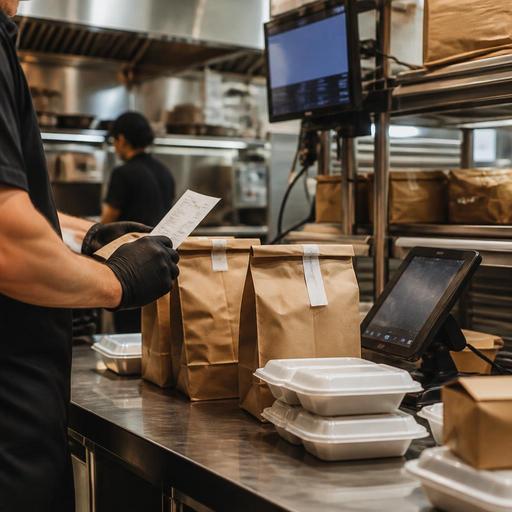
Ghost Kitchen Operations in the U.S.: Menu Focus, Channel Control, and Quality Checks
Ghost kitchen operations in the U.S. work best when the menu is tight, the ordering channels are controlled, and quality checks are built into every handoff. Whether you run a delivery-only wing concept inside a suburban sports bar, a virtual burger brand from a hotel kitchen, or a multi-brand commissary serving downtown lunch crowds, the same issue appears fast: too many items, too many tablets, and too many chances for mistakes. A ghost kitchen can look simple from the guest side, but behind the line it demands disciplined routing, packaging, timing, and accountability.
For U.S. operators, the challenge is not just getting food out the door. It is managing delivery apps alongside direct online ordering, keeping prep realistic for labor levels, protecting food quality during transit, and making sure pickup and curbside workflows do not create confusion. If you also operate a dine-in restaurant, food truck, airport concession, or fast-casual location, your ghost kitchen setup has to fit the rest of your POS stack and kitchen display system rather than becoming a side operation that drains the team.
Build the menu around travel, speed, and repeatability
Many ghost kitchen problems begin with a menu that was copied from a full-service restaurant instead of designed for off-premise. A fried chicken sandwich that eats well in a dining room may arrive soggy after a 20-minute delivery. Loaded fries may photograph well on a delivery app but collapse in the box. The right ghost kitchen menu is usually narrower, more modular, and easier to execute during rushes.
In practical terms, U.S. operators should evaluate each item through three filters: can the kitchen produce it quickly, can it travel well, and can the guest understand it instantly on a small phone screen. A virtual taco concept running from a shared kitchen in Houston may do better with a short lineup of protein choices, clear add-ons, and combo meals than with a long list of specialty builds. A breakfast ghost kitchen in Chicago might keep burritos, hash brown sides, and cold brew, while removing plated egg dishes that lose quality before arrival.
- Reduce custom steps: Limit modifiers that create bottlenecks or packaging errors.
- Use shared ingredients: Cross-utilize proteins, sauces, and sides to simplify inventory and prep.
- Design for packaging: Choose items that hold texture and temperature better in closed containers.
- Clarify naming: Keep menu names and descriptions easy to scan on delivery apps and direct ordering pages.
- Test combo logic: Bundles can raise check averages, but only if the line can assemble them fast.
If your concept is part of a chain or multi-location group, keep menu governance centralized. That does not mean every store must be identical at all times, but core builds, modifier structure, and item naming should be consistent. If your business may fall under FDA menu labeling rules because of chain size or related requirements, review official guidance and verify current obligations with qualified advisors before rolling out menu changes.
Control channels before channels control your kitchen
Ghost kitchens often lose margin and operational visibility when every marketplace, pickup flow, and direct ordering page runs separately. The result is a line cook reading from one screen, a manager juggling third-party tablets, and a guest arriving at the wrong entrance for pickup. Channel control means deciding where orders should come from, how they should be throttled, and what the guest experience should look like after checkout.
For a U.S. fast-casual operator, that may mean prioritizing direct online ordering for regulars, using delivery apps for discovery, and routing all orders into one order management workflow tied to the POS and kitchen display system. For a food hall or shared commissary brand, it may mean separating prep times by channel so a sudden spike from a marketplace does not bury direct pickup orders promised in 15 minutes.
Channel control questions to answer
- Which menu items belong on every channel? Some items should be pickup-only because they do not travel well.
- What are your promised times by channel? Pickup, curbside pickup, and delivery may need different prep quotes.
- Where does the guest go? Define pickup shelf, lobby handoff, curbside flow, or driver staging clearly.
- Who owns guest communication? Confirmation, delay notices, and out-of-stock updates should be consistent.
- How are refunds and remake decisions handled? Set internal rules so staff are not improvising during rushes.
Operators should also watch the payment and tipping experience. Ghost kitchens may have fewer traditional server interactions, but direct pickup orders can still involve tipped staff or service charges depending on the concept. Keep the checkout flow clear so guests understand what they are paying, and make sure internal reporting matches your POS setup. Because tip handling, service charges, and tax treatment vary by location and business model, verify current requirements with your accountant, payroll partner, or official state and local guidance.
Create quality checks at every handoff point
A ghost kitchen guest judges your brand on what arrives at the door, not on what happened on the line. That makes handoff quality control just as important as cooking. The best operators create simple checks that happen before sealing the bag, before placing it on a pickup shelf, and before giving it to a driver or curbside runner.
Consider a Nashville hot chicken virtual brand running from an existing bar kitchen. The team may already know how to cook the food, but quality breaks down when extra sauce is missed, fries are packed too early, or the wrong ranch count goes into the bag. A short station checklist can prevent expensive remakes and bad reviews.
- Item verification: Match the ticket to containers, modifiers, drinks, and utensils if requested.
- Packaging check: Use the right vented or sealed container for the item.
- Temperature timing: Hold hot and cold items appropriately and avoid packing too early.
- Label discipline: Make bags easy for drivers and pickup guests to identify without confusion.
- Handoff confirmation: Confirm the correct order before it leaves the building.
ADA-minded access also matters in pickup design. If guests are collecting orders directly, think through entry routes, curbside communication, and digital instructions so the process is usable for a wide range of customers. Accessibility expectations can vary by context, so review your setup with current official guidance and qualified advisors when needed.
Set up labor, stations, and reporting for off-premise reality
Ghost kitchens fail when staffing models assume dine-in rhythms. Off-premise demand often comes in sharper waves, especially around lunch, late night, and game-day periods. A wing concept inside a stadium-adjacent kitchen may be quiet at 3 p.m. and buried by 6 p.m. A hotel kitchen may need to balance room service, lobby dining, and a virtual salad brand at the same time. Labor scheduling should reflect those patterns, with clear station ownership for expo, bagging, driver handoff, and channel monitoring.
Use reporting to find where breakdowns happen. Look at voids, remakes, average prep times, item 86 trends, and guest complaints by channel. If one marketplace brings volume but causes the highest error rate, that is an operational signal, not just a marketing result. If curbside pickup creates lobby congestion for a suburban family restaurant, adjust staging and messaging instead of blaming the staff.
For multi-location operators, standardize the basics:
- One menu governance process for item launches, photos, descriptions, and modifier rules
- One packaging standard for core items and tamper-aware sealing practices
- One training checklist for expo, handoff, and driver interaction
- One reporting cadence to compare channels, dayparts, and locations
Ghost kitchens can absolutely work in the U.S., but they work best when the concept is built around operational truth instead of delivery-app optimism. Keep the menu focused, route orders through a controlled system, and make quality checks non-negotiable from the kitchen display screen to the pickup shelf. Restomas helps operators connect digital menus, order flow, and kitchen workflows in a way that keeps off-premise service more organized.
