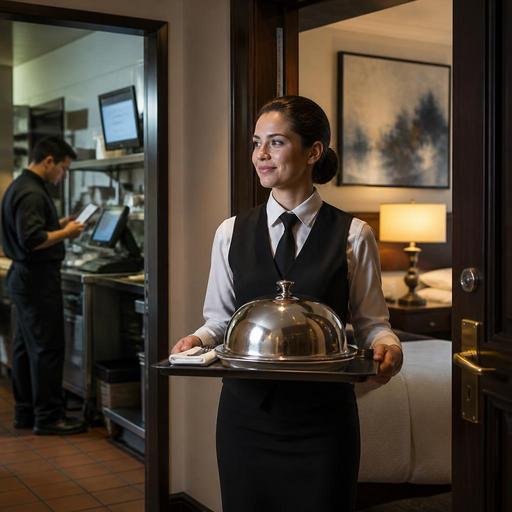
Hotel Room-Service QR Ordering and Kitchen Routing for U.S. Restaurants
Hotel room-service QR ordering and kitchen routing can help U.S. hotel restaurants reduce phone-order bottlenecks, improve order accuracy, and keep the guest experience consistent across breakfast, late-night, and high-volume event windows. For hotel operators, the goal is not just putting a menu behind a QR code. It is building a workflow that connects guest ordering, POS checks, kitchen display system routing, packaging, runner handoff, and payment in a way that fits how American hotels actually operate.
Why hotel room service needs a different digital workflow
A neighborhood restaurant can often treat takeout as a side channel. A hotel restaurant usually cannot. Room service sits between restaurant dining, banquet production, minibar expectations, and front-desk guest service. That means digital ordering has to support more than menu browsing.
For example, a full-service hotel in Chicago may serve lobby breakfast, conference coffee breaks, bar tabs, and room-service omelets at the same time. If a guest scans a QR code in the room and orders coffee, fruit, and oatmeal, the order should reach the right production station without forcing a host or front-desk agent to re-enter it manually. In a resort property in Florida, late-night burger orders may need to route differently than poolside lunch or VIP amenity requests. In an airport hotel near Dallas, timing matters because guests often want a predictable delivery window before an early flight.
That is why operators should map the full path of the order: menu display, modifier selection, room verification, payment method, kitchen routing, packaging, runner dispatch, and check closure. If any step remains fuzzy, the QR menu becomes a digital brochure instead of an operational tool.
Build the QR room-service menu around hotel realities
The best room-service QR menus are shorter, clearer, and more structured than a dining-room menu. Guests are ordering in a private room, often on a phone, sometimes late at night, and often without a server to clarify details. Keep categories simple, make modifiers obvious, and remove ambiguity around what arrives with the order.
A practical setup for a U.S. hotel restaurant might include:
- Daypart menus for breakfast, all-day dining, late-night, and weekend brunch.
- Operational notes such as estimated delivery windows, whether utensils are included automatically, and how beverage refills work.
- Clear modifiers for eggs, sides, dressings, steak temperature, allergy notes, and kid meal options.
- Room-service packaging choices such as tray setup, disposable cutlery, or contact-light delivery where appropriate.
- Alcohol handling rules that reflect property and local requirements, with staff verification steps where needed.
For chains and larger hotel groups, consistency matters across properties, but local flexibility matters too. A business hotel in New York may need faster breakfast defaults and grab-and-go options, while a beachfront hotel in California may highlight family bundles and pool-friendly packaging. If your brand operates multiple locations, use a common template for layout and item naming while allowing each property to manage pricing, availability, and prep constraints locally.
Accessibility should also be part of the setup. QR ordering should not become the only path to room service. Some guests will still need a phone-based option, staff assistance, or a more accessible digital experience. Operators should review ADA-minded access expectations with qualified advisors and follow current official guidance where applicable.
Route orders to the kitchen without creating a second line of chaos
The biggest operational win comes from routing orders correctly the first time. In many hotel restaurants, room-service tickets fail because they land in the same queue as dining-room tickets without enough detail. The kitchen sees a burger, but not the room number, delivery time promise, or tray setup requirement.
A better routing model separates production by station and tags the order with fulfillment details. For instance, a club sandwich and Caesar salad should hit the hot line and cold prep as needed, while the expeditor screen shows the room number, requested delivery window, and runner notes. If the property uses a kitchen display system, room-service orders should appear with distinct labels so expo can prioritize properly during a breakfast rush or post-event wave.
Consider these routing rules:
- Send item details to the correct station so grill, pantry, pastry, and bar can work in parallel.
- Show fulfillment metadata like room number, guest name if permitted by policy, promised time, and packaging requirements at expo.
- Flag hold-and-fire timing for orders requested at a later delivery time.
- Separate room service from lobby takeout if both channels run through the same POS stack.
- Pause or 86 items in real time when banquet demand, staffing shortages, or inventory issues affect availability.
This matters especially in U.S. hotel environments with mixed revenue channels. A hotel restaurant may also run direct online ordering for local takeout, delivery apps for off-premise sales, and a lobby cafe with a pickup shelf. Without clear kitchen routing, a room-service order can get buried behind third-party delivery tickets or a convention lunch push.
Align payment, tipping, and check handling with the guest journey
Payment for room service is rarely one-size-fits-all. Some properties post charges to the room folio. Others take card payment during ordering. Some allow both depending on time of day or outlet. Whatever the method, the workflow should be clear to both the guest and staff.
U.S. operators should pay close attention to how the check displays gratuity, service charges, delivery fees, and sales tax where applicable. These are not interchangeable. The operational priority is transparency: guests should understand what is being charged and staff should know how to close the check correctly in the POS. Because treatment of tips, mandatory charges, and taxes can vary by jurisdiction and setup, operators should confirm current requirements with their accountant, payroll provider, legal counsel, or official state and local guidance.
For example, if a hotel in Las Vegas adds a room-service service charge and also offers an additional tip line on a digital checkout screen, staff training must explain the difference so front desk, restaurant managers, and accounting stay aligned. If tipped staff or runners participate in fulfillment, tip reporting and payout workflows should be reviewed carefully with qualified advisors.
Also think through chargeback and dispute prevention. A digital room-service flow should capture order time, selected modifiers, delivery confirmation, and any guest notes. That record helps managers resolve “I did not order this” or “my fries were missing” complaints more quickly.
Train runners, front desk, and managers around one shared process
Technology only works if hotel teams use the same playbook. In many U.S. properties, room service touches multiple departments: restaurant, kitchen, front desk, overnight manager, and sometimes valet or security for after-hours access. A QR ordering rollout should come with a short standard operating procedure that everyone can follow.
Your SOP should answer:
- Who monitors incoming room-service orders during each shift?
- Who calls the guest if an item is unavailable or delayed?
- Where are trays assembled and checked before delivery?
- How is contact-light delivery handled if a guest requests it?
- What happens when the restaurant is short-staffed during peak breakfast?
- How are special requests, allergies, or VIP notes escalated?
A practical example: a 220-room suburban hotel with a bar and breakfast outlet might assign the server lead to monitor breakfast QR orders from 6:00 to 11:00, then shift late-night oversight to the bar manager after 9:00 p.m. The kitchen display system separates room-service tickets from dining-room tickets, while expo stages trays on a dedicated shelf near the service elevator. That is a simple change, but it prevents runners from searching the line for missing sides during the morning rush.
For multi-location hotel groups, review performance property by property. Track common friction points such as incomplete modifiers, delayed expo times, or frequent calls from guests asking where the order is. Those issues often point to menu design or routing logic problems, not just labor issues. Labor scheduling still matters, of course: if breakfast room-service demand peaks before the dining room fills, schedule prep, expo, and runner coverage accordingly.
QR room-service ordering works best when it supports the hospitality promise of the hotel rather than replacing it. Guests still judge the experience by speed, accuracy, food condition, and how easy it was to get what they wanted. Platforms like Restomas can help operators connect QR menus, order management, POS workflows, and kitchen routing into one cleaner process.
