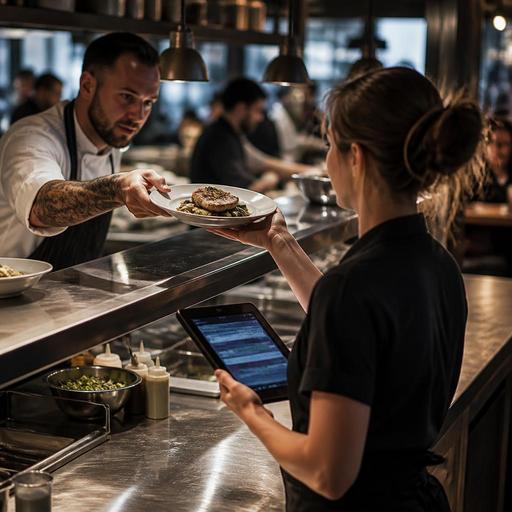
How Digital Kitchen-to-Runner Handoffs Reduce Restaurant Order Errors
Why kitchen-to-runner communication breaks down during service
Digital kitchen-to-runner communication helps restaurants prevent one of the most common service failures: the verbal handoff that gets lost in noise, speed, and pressure. In many dining rooms, the chef calls a table number, a runner grabs plates, and a few quick words are expected to carry important details such as modifiers, missing sides, allergy notes, or which guest ordered which dish. That process can work in a quiet shift, but it becomes fragile when the kitchen is busy, multiple tickets are firing at once, and staff members are moving between stations.
The issue is not that teams are careless. The issue is that verbal communication is temporary. Once spoken, it disappears. If the runner mishears the chef, if another staff member interrupts, or if two orders are plated at the same time, the restaurant is relying on memory instead of a shared system. That is when avoidable errors appear: the wrong sauce goes to the table, a no-onion request is forgotten, a steak is delivered to the wrong guest, or a runner asks the kitchen to repeat the same information several times.
Restaurants often focus on guest-facing digitization first, such as QR menus or online ordering, but the handoff between kitchen and floor deserves equal attention. When that internal link is weak, even a well-designed menu and a strong culinary operation can still produce inconsistent service.
What a digital handoff looks like in daily operations
A practical digital handoff does not need to be complicated. It simply means that the information a runner needs is visible, structured, and updated in real time rather than passed mainly by shouting across the pass. In a modern workflow, the order reaches the kitchen digitally, the kitchen updates item status as dishes are prepared, and the runner sees what is ready to deliver along with the details needed to serve it correctly.
For example, a table orders grilled fish, a burger with no tomato, and a child’s pasta. The chef should not need to explain the whole order verbally when plating. A screen or order view can show the table number, seat positions if used, modifiers, allergy notes, and whether all items are ready or if one dish is still pending. The runner can confirm the order at the pass before leaving the kitchen.
This approach is especially useful in operations where:
- Dining rooms are loud and open kitchens are busy
- Menus include many customizations or side choices
- Multiple runners share the same service zone
- Restaurants manage dine-in, takeaway, and delivery at the same time
- New staff members are still learning plate identification and table flow
Instead of relying on whoever happens to be closest to the pass, digital handoffs create a repeatable process. That consistency matters more than speed alone because accurate service prevents remakes, table delays, and uncomfortable guest interactions.
Common verbal error points and how to remove them
1. Table number confusion
In a rush, “table fifteen” can sound like “fifty,” especially when kitchen fans, music, and conversations compete for attention. A digital display that clearly identifies the table or order number removes that ambiguity. If your team uses zones, the system can also group ready orders by area so runners do not waste time scanning every plate at the pass.
2. Missing modifiers and allergy notes
Modifiers are often where verbal systems fail. “No pickles,” “dressing on the side,” or “gluten-free bun” may seem small, but these details shape guest trust. When modifiers remain attached to the order from entry to plating to delivery, the runner does not need to remember them from a quick verbal explanation. This is even more important for allergy-related instructions, which should never depend on memory alone.
3. Partial order delivery mistakes
Sometimes a runner takes two ready plates from a four-item table and delivers them without knowing the remaining dishes are still in progress. That can be acceptable in some service styles, but only if it is intentional. A digital workflow helps the runner see whether the kitchen marked the order as complete, partially fired, or held for synchronized delivery.
4. Wrong guest receives the wrong plate
Restaurants that use seat positions or guest labels can reduce awkward table-side confusion. Rather than asking, “Who had the salmon?” the runner can match the plate to the right seat. This improves guest experience and is particularly valuable in business lunches, tasting menus, or tables with many modifications.
5. Repeated questions between kitchen and floor
When runners constantly return to ask, “Is this for table twelve?” or “Does this burger have the side salad?” the pass becomes congested. Clear digital order visibility cuts those interruptions and allows chefs to stay focused on production.
How restaurant owners can implement the change without disrupting service
The best way to digitize chef-to-runner communication is to start with one service problem, not a full technology overhaul. Owners and managers should first observe where the current handoff fails most often. Is it table identification, modifiers, timing, or plate matching? Once the biggest issue is visible, the team can build a simple digital process around it.
- Map the handoff moment. Identify exactly when the kitchen finishes an item, who confirms it, and how the runner knows it is ready.
- Standardize ticket structure. Make sure order details appear in a predictable format, with modifiers and allergy notes easy to spot.
- Define status language. Use simple operational labels such as ready, waiting, held, or delivered so everyone interprets the order state the same way.
- Train runners to verify before lifting plates. The pass should become a confirmation point, not a guessing point.
- Review service errors weekly. Track the mistakes that still happen and ask whether the problem was visibility, process, or training.
It is also important to avoid replacing one messy system with another. If screens are cluttered, abbreviations are inconsistent, or staff members use different naming habits, confusion can continue in digital form. Good digitization means clarity, not just more devices.
Practical examples from different restaurant formats
In a casual dining restaurant, the biggest benefit may be cleaner modifier handling. A burger order with cheese removed, sauce changed, and a side upgraded can move from server to kitchen to runner without being rewritten or repeated aloud.
In a cafe with limited staff, digital handoffs help when one person shifts between counter, drinks, and floor service. Instead of asking the barista what is ready, the runner can quickly check order status and pick up the correct items.
In a high-volume family restaurant, synchronized delivery matters more. If one child’s meal is ready early but the rest of the table is still cooking, the kitchen can mark whether to send immediately or hold. That small signal prevents the dining room from receiving a fragmented experience.
In multi-channel operations, digital communication is even more important. Dine-in plates, takeaway bags, and delivery orders can all be active at once. A visible system helps staff separate channels clearly and reduces the chance that a dine-in side dish ends up packed into a delivery order by mistake.
This is where connected tools can support operations naturally. A platform like Restomas can help restaurants centralize menu data, route orders clearly, and make order details easier for both kitchen and floor teams to follow without depending on repeated verbal explanations.
What to measure after digitizing the handoff
Restaurant owners do not need complex analytics to know whether the change is working. Start by watching operational signals that teams already notice during service.
- How often runners return to the kitchen for clarification
- How many guest complaints involve wrong items or missing modifiers
- How often plates sit at the pass waiting for the right runner
- How frequently remakes happen because of handoff mistakes
- How confidently new staff members can run food after training
If these pain points begin to decline, the handoff is improving. Over time, cleaner kitchen-to-runner communication usually supports better guest trust, smoother pacing, and less stress across the shift.
Verbal communication will always matter in restaurants, but it should support the system, not carry the entire system. When chefs and runners share a clear digital view of what is ready, where it goes, and how it should be served, restaurants can reduce preventable mistakes without slowing the pace of service. If your team is looking to make that handoff more reliable, Restomas offers practical digital tools that can help connect menu, order, and service workflows more clearly.
