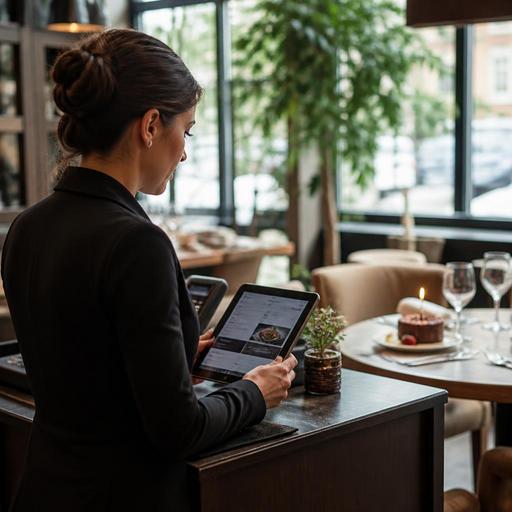
How Restaurants Can Automate Birthday Offers Without Feeling Creepy
Birthday marketing can be effective when it feels like hospitality rather than surveillance. The challenge is simple: automating birthday offers without feeling creepy requires restaurants to collect the right data, use it sparingly, and design messages that sound helpful instead of overly personal. For restaurant owners, this is not just a marketing question. It affects guest trust, staff coordination, redemption flow, and the overall dining experience.
A well-run birthday campaign should make a guest think, That is thoughtful, not How did they know that? The difference usually comes down to consent, tone, timing, and execution. If your team can connect guest data, menu logic, and service flow in one clean process, birthday automation becomes a relationship tool instead of a gimmick.
Start with permission, not assumptions
The safest and most effective birthday campaigns begin with information the guest gave you directly. That might happen through a reservation form, loyalty signup, Wi-Fi landing page, online ordering profile, or a QR-based guest feedback form. The key is that the date was shared intentionally and the purpose is clear.
If a guest enters a birth date, explain why you are asking. A simple line such as Share your birthday if you would like a birthday treat or special offer sets the right expectation. It also filters for guests who actually want that communication.
Many restaurants make the mistake of gathering too much information too early. You do not need a full profile to run a useful campaign. In most cases, the essentials are enough:
- First name
- Preferred contact channel such as email or SMS
- Birth date or birth month
- Basic consent for promotional communication
That lighter approach feels less invasive and is easier to manage operationally. It also reduces the risk of bad data sitting unused in your system.
Design offers that feel generous, not manipulative
The birthday offer itself matters as much as the automation behind it. Guests can quickly sense when a promotion is built only to force a higher spend. A free dessert, a mocktail, a small appetizer, or a birthday upgrade often feels warmer than a complicated discount with too many restrictions.
For example, compare these two approaches:
- Weak approach: Happy Birthday. Spend a minimum amount on weekdays only and receive a discount on selected items.
- Better approach: Celebrate with us this month and enjoy a dessert on the house with your meal.
The second version is easier to understand, easier for staff to explain, and more aligned with hospitality. It still supports revenue because the guest is likely to dine with friends or family, but it does not sound transactional.
You can also match the offer to your concept. A bakery might offer a birthday pastry box add-on. A cafe might offer a complimentary slice with a coffee purchase. A casual dining restaurant might offer a table-side dessert platter for the group to share. A fine dining venue might focus less on discounting and more on a reserved celebration touch, such as a personalized dessert course request added to the booking notes.
Use timing and frequency carefully
One of the easiest ways to make birthday automation feel awkward is to over-message guests. A birthday campaign does not need a long sequence. In most cases, one early message and one reminder are enough.
A practical structure looks like this:
- Send the main message a few days before the birthday or at the start of the birthday month.
- If the offer is valid for a limited window, send one reminder near the end of that window.
- Stop after redemption or expiration.
This keeps the campaign visible without becoming repetitive. It also gives guests flexibility. Some people celebrate on the exact date, while others wait for the weekend or gather family later in the month.
The wording should stay simple and low-pressure. Instead of saying We noticed your birthday is coming up, say If you are celebrating soon, we would love to host you. That small shift changes the emotional tone. The message becomes invitational rather than intrusive.
It also helps to avoid excessive personalization. Using the guest's first name is usually enough. There is rarely a need to reference age, past purchases, or highly specific behavior in a birthday message. Just because your system can store more information does not mean your campaign should display it.
Make redemption easy for guests and staff
Even a well-written campaign can fail if the in-store experience is clumsy. A guest who arrives with a birthday offer should not have to explain the promotion three times or wait while staff search through messages. Automation only works when the front-of-house process is clear.
That means managers should define redemption rules in advance:
- Who can apply the offer
- Where the team sees the note or code
- Whether it works for dine-in, takeaway, delivery, or reservations
- What items are eligible
- How often the guest can use it
Consider a simple example. A guest books a table online and mentions a birthday. The reservation note can flag the event for the shift lead. If the same guest also received a digital birthday offer, the team should know whether both can be combined. Without that clarity, staff may improvise and create inconsistent experiences.
This is where connected restaurant systems become useful. If your reservations, guest notes, digital menu, and order management live in separate places, birthday campaigns create friction. If they are connected, the team can see the context and deliver the offer smoothly. Restomas-style workflows can help restaurants organize these touchpoints so the campaign feels coordinated rather than chaotic.
Build a respectful message strategy across channels
Different channels create different expectations. Email usually allows a warmer, more complete message. SMS should be shorter and more practical. In-app or web pop-ups should be subtle and tied to a useful action, such as booking a table or browsing the menu.
Here are a few principles that keep the message respectful:
- Lead with the invitation: focus on celebrating, not on data collection.
- Keep the copy human: avoid robotic phrases that sound automated.
- Be clear about validity: guests should know when and how to use the offer.
- Provide an easy opt-out: this increases trust even when few people use it.
For instance, an email could say: We would love to help you celebrate this month. Enjoy a dessert with your meal during your birthday week. Book a table or drop by when it suits you. That is enough. It is warm, understandable, and not overly familiar.
On social media, birthday campaigns work best indirectly. Rather than posting generic birthday discounts publicly every week, use social channels to reinforce your restaurant as a celebration destination. Show group-friendly menu items, cozy table setups, shareable desserts, or private dining options. Then let your direct channels handle the actual birthday automation. This separation keeps your public brand polished while your guest messaging stays relevant.
Review results beyond redemptions
Many operators judge birthday campaigns only by how many offers were redeemed. That matters, but it is not the whole picture. You should also review whether the process improved guest relationships and whether staff could handle it consistently.
After running the campaign for a period, ask practical questions:
- Did guests understand the offer without extra explanation?
- Did staff know how to apply it quickly?
- Did the offer fit your brand and menu style?
- Did guests return later, even if they did not redeem immediately?
- Were there complaints about message tone or timing?
Sometimes the best improvement is not a bigger discount but a cleaner process. A restaurant may discover that birthday month offers work better than exact-date offers because guests need scheduling flexibility. Another may learn that a complimentary dessert is easier for staff than a percentage discount. A cafe may find that email performs better than SMS because the brand voice feels more natural there.
The goal is not to automate everything possible. The goal is to automate the repetitive parts while preserving the feeling of genuine welcome. Restaurants succeed with birthday campaigns when technology handles reminders, tagging, and redemption logic, while the guest still experiences warmth and ease.
If your restaurant is improving guest communication across reservations, digital menus, and order flow, Restomas can help you bring those touchpoints together in a more organized way.
