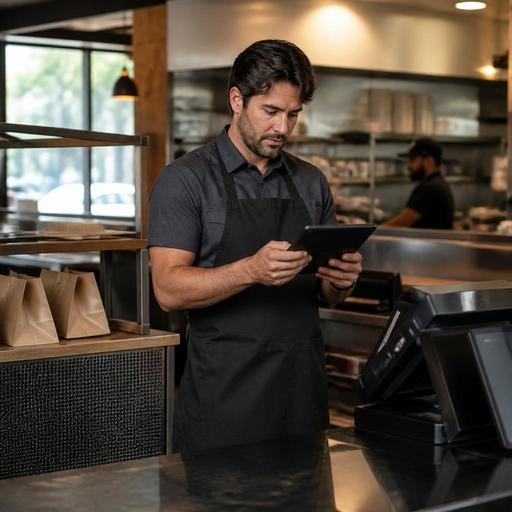
How U.S. Restaurant Owners Can Find Cash Leakage Using Digital Records
Cash leakage rarely shows up as one dramatic theft event. In most U.S. restaurants, it appears as small gaps between what should have happened and what the digital record says actually happened. That is why spotting cash leakage with digital records matters for restaurant owners, operators, and GMs who need tighter control without slowing service. Whether you run a neighborhood diner, a fast-casual bowl concept, a food truck, or a multi-location bar and grill, your POS, online ordering, payment reports, kitchen display system, and inventory logs can reveal patterns that paper checks and verbal explanations often miss.
The goal is not to accuse staff or create fear. The goal is to build a repeatable workflow that helps you catch void abuse, unrecorded cash sales, discount misuse, delivery order mismatches, missing inventory, and refund patterns early enough to fix them. Because payment, labor, tax, alcohol, ADA, and employment rules vary by state and city, use the steps below as operational guidance and verify local requirements with qualified advisors and official sources when needed.
Start by mapping where cash leakage actually happens
Many owners focus only on the cash drawer, but leakage can begin long before a guest pays the check. Start with a simple map of every place where value enters, changes, or leaves the business.
- Dine-in checks: open tabs, split checks, voids, comps, late discounts, and cash payments not closed correctly in the POS
- Takeout and pickup shelf orders: phone orders, direct online orders, and walk-in takeout where the order is made but the payment trail is incomplete
- Curbside pickup: handoff errors where an order leaves the building before payment status is confirmed
- Delivery apps: menu price differences, canceled orders, remakes, missing-item refunds, and payout reconciliation issues
- Bar service: open tabs, happy-hour overrides, spill tabs, and high-risk liquor pours that do not match ring counts
- Food trucks and pop-ups: offline card processing, cash-heavy events, and end-of-shift count errors
- Multi-location operations: inconsistent manager permissions, discount rules, and reporting habits across stores
For example, a suburban pizza shop may think it has a cash problem, but the larger issue could be third-party delivery refunds that are not matched back to the POS. A sports bar may assume liquor cost is rising because of overpouring, when the real problem is too many manager comps after midnight. A hotel restaurant may see room charges posted correctly but lose money on grab-and-go items that bypass the main POS workflow.
Use exception reports instead of only daily sales totals
Owners often review total sales, average check, and labor cost, but leakage usually hides in exceptions. Build a daily or weekly review around the transactions that deserve a second look.
Focus on these digital records first
- Voids and comps: Review who created them, when they happened, and whether they were tied to a real guest recovery issue. A late-night cluster of voided beer or appetizer items is worth reviewing.
- Refunds: Compare refunds in the POS, card processor, and delivery platforms. A refund that appears in one system but not another can signal workflow breakdowns or abuse.
- Discounts and promo codes: Look for staff using the same discount too often, especially on cash checks or friend-and-family style adjustments.
- Open checks at shift end: In a diner or full-service restaurant, old open tickets may point to missed closures or intentional manipulation.
- No-sale drawer opens: High no-sale counts can be a warning sign, especially if they happen during rush periods.
- Deleted items after fire: If an item was sent to the kitchen display system and later removed from the guest check, verify why.
A practical example: in a fast-casual salad concept, the owner notices protein add-ons are frequently deleted after the bowl is sent to the line. That could mean staff are giving away extras, fixing order-entry mistakes, or using a shortcut that weakens inventory accuracy. Without the digital timestamp, the issue would look like random food cost inflation.
Reconcile orders across POS, payments, kitchen, and inventory
The strongest leakage controls come from comparing systems, not trusting one report in isolation. If your restaurant uses a POS, online ordering, QR ordering, a kitchen display system, and multiple delivery apps, each system creates a piece of the story.
What a simple reconciliation workflow looks like
- Compare order count by channel: dine-in, direct online ordering, QR table ordering, phone orders entered at the counter, and delivery marketplace orders
- Match payment status to order status: if an order was prepared and handed out, was it paid, comped, or refunded properly?
- Check high-cost items against depletion: steaks, shrimp, wings, liquor, bottled beer, and premium add-ons are good places to start
- Review pickup shelf and curbside handoff logs: if available, confirm who released the order and when
- Compare processor deposits to closed sales: timing differences happen, but unexplained gaps should be investigated
Consider a busy urban cafe with a pickup shelf. During the morning rush, staff may place drinks and breakfast sandwiches on the shelf before checking whether a phone order was actually paid. If the POS and payment records are not reconciled to prepared orders, that leak can repeat every day in small amounts.
At a bar, compare draft beer, bottled beer, and liquor movement against POS ring counts. You do not need a forensic audit to get value. Even a weekly review of top-risk categories can reveal whether the issue is portion control, training, or unauthorized giveaways.
Watch labor workflows that indirectly create leakage
Not all cash leakage is direct theft. Weak labor workflows create rushed transactions, missed modifiers, and sloppy closures that cost money. This is especially common in QSR, fast-casual, airport concessions, and stadium venues where speed matters.
Look for these patterns:
- Too many staff sharing one login: accountability disappears when everyone uses the same POS credentials
- Manager overrides without notes: train managers to document why a comp, void, or price override happened
- Tipped staff closing checks in batches: delayed closures can create mistakes in tips, payments, and shift reconciliation
- Inconsistent side work at close: drawers, pickup areas, and open tabs need a standard end-of-shift checklist
- Poor menu button design: if modifiers are hard to find, staff may skip add-ons that should have been charged
In a family restaurant, for instance, a server may verbally offer avocado, bacon, or extra cheese but forget to ring it in during a busy brunch. That is not fraud, but it is leakage. In a food truck, a weak Wi-Fi connection may push staff to take cash quickly and enter orders later, increasing the chance of missing transactions. In both cases, digital workflow design matters as much as honesty.
If your operation includes tipped staff, service charges, or pooled tips, make sure payment and reporting workflows are clear and consistently reviewed. Because tip reporting, service charge treatment, and payroll handling have legal and tax implications, operators should confirm current federal, state, and local requirements with payroll providers, accountants, or legal advisors.
Turn findings into controls your team can actually follow
Once you identify leakage points, keep the fix simple enough for real restaurant shifts. Overly complex controls usually fail on Friday night.
Practical control steps for U.S. operators
- Limit permission levels: only certain managers should approve refunds, comps, and price overrides
- Require reasons for exceptions: use standard categories such as guest recovery, kitchen error, duplicate charge, or training issue
- Audit one category per week: start with alcohol, premium proteins, desserts, or high-volume modifiers
- Review camera footage only when the data points to a specific event: lead with records, not suspicion
- Standardize end-of-shift reconciliation: checks closed, drawer counted, no-sale review, refund review, and open tab review
- Train for ADA-minded guest access: if you use QR ordering or digital receipts, make sure guests still have a workable path to order and pay without friction
- Use chain-level reporting for multi-location brands: compare void, comp, and refund rates by store, daypart, and manager
For larger chains, FDA menu labeling context, alcohol service rules, sales tax handling, and local fee disclosures may affect how items, combos, modifiers, or service charges appear in the system. Those topics should be reviewed with qualified advisors and official guidance, but from an operations standpoint, the key is consistency: the same item should be rung, fulfilled, and reconciled the same way across locations.
Cash leakage is easiest to stop when you treat digital records as a daily operating tool, not just an after-the-fact report. A clear POS trail, tighter order routing, better exception review, and simple closing routines can help owners protect margins without hurting hospitality. Restomas can support that effort by connecting ordering, payment, and operational records into cleaner day-to-day workflows.
