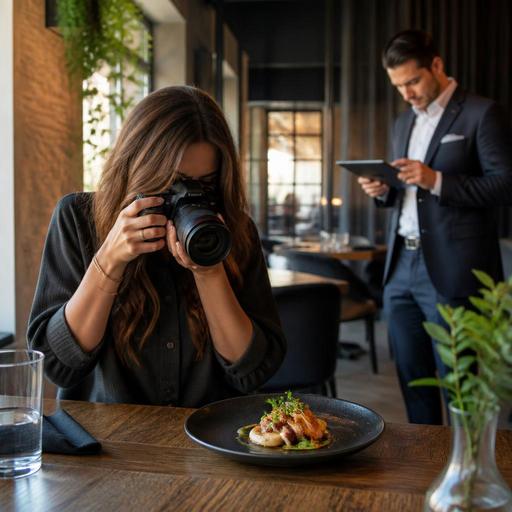
Influencer Marketing for Restaurant Launches: Cost, Fit, and ROI
A restaurant opening can create excitement fast, but attention alone does not fill tables. Influencer marketing for restaurant launches works best when owners treat it as an operational campaign, not just a publicity moment. The right collaboration can help a new venue reach local diners, showcase signature dishes, and generate early reservations. The wrong one can bring a crowded opening night with little repeat business, mismatched guests, and content that does not support long-term growth.
For restaurant owners, chefs, and operators, the key questions are practical: What should an influencer collaboration cost? How do you know whether the creator fits your concept? And how can you measure return in a way that connects to covers, average spend, repeat visits, and guest data? A disciplined approach helps you answer those questions before the first invitation goes out.
Start with the business goal, not the influencer list
Many launch campaigns fail because the team begins by asking who is popular instead of what the opening needs. A fine dining restaurant, a neighborhood cafe, and a fast-casual concept do not need the same creator strategy. Before outreach, define the result you want from the collaboration.
- Awareness goal: Let nearby diners know a new concept is opening soon.
- Trial goal: Drive bookings or walk-ins during the first two weeks.
- Menu education goal: Explain an unfamiliar cuisine, tasting format, or ordering system.
- Content goal: Build a library of realistic photos and videos you can repost.
- Community goal: Position the restaurant as part of a local food scene, not just a new business.
For example, a chef-led tasting menu restaurant may care more about attracting diners who appreciate the experience and will book ahead, while a new brunch cafe may want broad local discovery and social sharing. Those are different campaigns, and they should shape who gets invited, what they are asked to create, and how success is measured.
It also helps to align the front-of-house and marketing teams early. If an opening campaign is expected to drive reservations, your booking flow, menu presentation, and service timing should already be ready. Interest generated online is wasted if guests face confusion when they try to reserve, view the menu, or place an order.
How to judge influencer fit beyond follower count
Follower count is often the least useful number in restaurant collaborations. A creator with a smaller but highly local and food-focused audience can outperform a larger lifestyle account with weak geographic relevance. Fit matters more than reach.
Look at these factors when reviewing potential partners:
- Location match: Are most followers in your city, district, or delivery area?
- Audience intent: Do followers actively look for places to eat, or do they follow for unrelated content?
- Content style: Does the creator show food, atmosphere, service, and pricing clearly?
- Brand alignment: Does their tone fit your concept, whether casual, premium, family-friendly, or trend-driven?
- Engagement quality: Are comments specific and local, or generic and repetitive?
- Behavioral fit: Do they communicate professionally, arrive on time, and respect service flow?
Consider a practical example. A neighborhood bakery opening in a residential area may get better results from three local creators who regularly post morning coffee spots, family outings, and nearby recommendations than from one larger citywide influencer known mostly for nightlife content. The smaller creators may produce less reach on paper, but more of their audience can actually visit.
Ask creators for examples of previous hospitality partnerships. Review whether their posts motivated real behavior, such as reservation inquiries, saved posts, comments asking for location details, or tagged visits from followers. This tells you more than surface-level impressions.
What restaurant owners should expect on cost and deal structure
There is no single correct price for a restaurant opening collaboration, and owners should be cautious of anyone promising guaranteed virality. Cost depends on audience quality, local market, deliverables, exclusivity, usage rights, production effort, and timing. Instead of asking only for a rate card, ask for a clear proposal.
A solid collaboration agreement should define:
- Deliverables: Reel, story set, static post, short-form video, or blog mention
- Posting timeline: Soft opening, launch day, or post-launch follow-up
- Guest count: Creator only, plus-one, or group invitation
- Compensation type: Hosted meal, flat fee, or combination
- Usage rights: Whether the restaurant can repost content organically or use it in ads
- Disclosure: Clear sponsored or invited language where required
- Success tracking: Promo code, booking link, tracked landing page, or reservation note
Hosted meals can work for local food creators, especially if expectations are clear and the experience is genuinely strong. But compensation should reflect the work requested. If you want polished video coverage, multiple edits, and content usage rights, that is more than a free dinner exchange. Treat it like professional creative work.
It is also wise to avoid overspending on one launch night. A better structure may be a phased campaign: a few preview visits before opening, a wave of opening-week content, and a second round focused on social proof once real guests begin posting. This spreads risk and gives you time to learn which creators actually move business.
How to measure ROI in a way that matters to operations
Restaurants often stop at views, likes, and shares because those numbers are easy to collect. But launch ROI should connect to operating results. A full dining room on opening weekend means little if the guests are one-time visitors who came only for a free trend moment.
Track performance through measurable guest actions:
- Reservations generated from specific links or creator codes
- Walk-ins mentioning the creator at host stand or checkout
- Menu item demand after featured dishes appear in content
- Average check changes among guests from a campaign
- Repeat visit behavior over the following weeks
- Owned audience growth such as email signups or direct social followers
For example, if a creator highlights your signature pistachio tiramisu and tables start ordering it repeatedly, that is useful only if the kitchen can produce it consistently and the margin supports the demand. Marketing and operations must connect. The same applies to a viral brunch item that causes stockouts by noon and frustrates later guests.
This is where digital restaurant systems become valuable. If your menu, ordering, reservations, and item availability are managed in one organized flow, you can see whether influencer-driven traffic leads to bookings, popular menu clicks, or operational strain. A QR menu can also help you feature launch items, seasonal specials, or limited offers tied to creator content without reprinting materials every time you adjust the offer.
Build a launch plan that protects guest experience
The best influencer campaign cannot fix a chaotic opening. In fact, it can amplify problems if the restaurant is not ready. Before inviting creators, test the guest journey from discovery to payment.
Questions to review before launch collaborations
- Is the menu final, accurate, and easy to access online?
- Can guests reserve without confusion?
- Are sold-out items updated quickly across channels?
- Does the team know how to handle creators during busy service?
- Is there a simple way to capture guest feedback and repeat-visit interest?
- Do you know which dishes are visually strong and operationally reliable?
A practical launch approach might include inviting a small group of well-matched creators to a controlled preview service. This gives the kitchen a chance to execute, the front-of-house team a chance to practice, and the marketing team a chance to gather content before the busiest public days. If service problems appear, fix them before scaling exposure.
It is also useful to brief creators with honest priorities. Tell them which dishes represent the concept best, what story matters, and how guests should book or order. Do not script every word, but do reduce friction. Clear information improves content accuracy and helps the audience take action.
In the end, influencer collaborations for restaurant openings work when they are local, measurable, and operationally supported. Choose creators whose audience can actually visit, set terms that match the work, and judge success by guest behavior rather than vanity metrics. When the campaign is connected to reservations, menu management, and service readiness, opening buzz has a much better chance of turning into sustainable demand.
Restomas helps restaurants connect digital menus, ordering, and reservations so launch marketing can lead to a smoother guest journey.