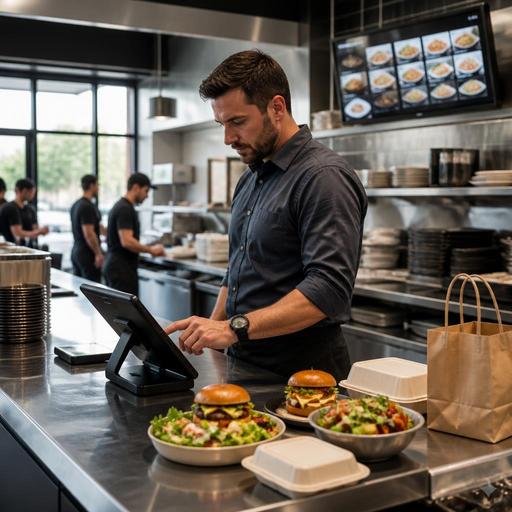
Menu Engineering for U.S. Restaurants: Cut Food Cost With Better Pricing and Placement
Menu engineering for U.S. restaurants is one of the most practical ways to control food cost without guessing. Instead of changing prices at random or cutting portions blindly, operators can use actual sales mix, plate cost, prep complexity, and menu placement to decide what deserves a spotlight, what needs a recipe fix, and what should come off the menu. Whether you run a neighborhood diner, a fast-casual bowl concept, a sports bar, a hotel restaurant, or a multi-location burger brand, menu engineering helps turn daily order data into better decisions.
In the U.S., this matters because food cost pressure rarely shows up in isolation. Delivery apps can skew item mix, direct online ordering may produce different check patterns than dine-in, and tipped staff may naturally steer guests toward some items more than others. A late-night bar menu, an airport concession grab-and-go set, and a food truck lunch lineup all behave differently. The goal is not to build a complicated spreadsheet for its own sake. The goal is to know which items are profitable, popular, operationally efficient, and worth promoting.
Start with contribution margin, not just food cost percentage
Many operators focus only on food cost percentage, but menu engineering works better when you start with contribution margin: how many dollars an item contributes after ingredient cost. A dish with a higher food cost percentage can still be a strong performer if it leaves more dollars on the check.
For example, imagine a suburban American grill comparing a salmon entree and a chicken sandwich. The salmon may carry a higher plate cost, but if guests consistently order it at dinner and it adds meaningful profit dollars, it may deserve a stronger menu position than a lower-priced sandwich with weaker contribution. On the other hand, a loaded fries appetizer may look profitable, but if waste, fryer bottlenecks, and inconsistent portioning cut into margins, the real picture changes.
To get useful menu engineering data, review each item using your POS and recipe costing process:
- Menu price based on what guests actually pay through dine-in, direct online ordering, and delivery apps where relevant
- Ingredient cost from current invoices and recipe specs, including sauces, sides, garnish, and packaging for takeout
- Sales mix by item, daypart, and channel
- Prep and line complexity including station load during the lunch rush or weekend dinner rush
- Waste and variance risk from over-portioning, spoilage, or substitutions
This approach is especially useful for U.S. operators running multiple revenue channels. A rice bowl that performs well in-store may travel poorly on delivery apps. A burger combo may be easy for curbside pickup, while a crispy item loses quality on a pickup shelf. Menu engineering should reflect these channel differences rather than treating every sale the same.
Classify menu items by popularity and profit
A simple way to make menu engineering useful is to sort items into four practical groups: high-profit and high-popularity items, high-profit but low-popularity items, low-profit but high-popularity items, and low-profit low-popularity items. You do not need complicated labels to benefit from this. You just need to know what action each group requires.
1. High-profit, high-popularity items
These are often your best menu assets. A fast-casual taco shop might find that its steak burrito bowl sells steadily, holds up well for takeout, and contributes solid dollars. A brunch cafe may discover that a signature breakfast sandwich drives both coffee add-ons and repeat orders. These items usually deserve premium placement, strong photos in online ordering if your system supports them, and consistent server recommendations.
2. High-profit, low-popularity items
These items may be underexposed, not necessarily flawed. A hotel restaurant might have a profitable flatbread that guests overlook because it sits in the middle of a crowded menu section. A neighborhood Italian spot may have a high-margin cocktail or appetizer that servers do not mention often enough. Before removing these items, test better naming, placement, pairing, and staff prompts.
3. Low-profit, high-popularity items
These are common in diners, pizza shops, and family restaurants. Think of a chicken tender basket or a combo plate that sells all day but uses expensive sides, heavy sauce portions, or labor-intensive prep. These items should not automatically disappear. Instead, look for operational fixes such as adjusting portion specs, simplifying garnish, offering paid add-ons, or raising price carefully after reviewing local market expectations.
4. Low-profit, low-popularity items
This is where menu clutter often hides. A sports bar may carry a wrap that rarely sells, slows down the line, and requires ingredients used nowhere else. A food truck may offer a specialty topping that sounds exciting but creates waste and slows ticket times. These items deserve the toughest review. If they do not support brand identity or guest demand, removing them can improve both cost control and kitchen speed.
Use menu design and digital ordering to guide better choices
Once you know which items matter most, the next step is placement. In a full-service restaurant, that could mean where an item appears on the printed menu or QR menu. In a QSR or fast-casual setup, it may mean which combo appears first on the ordering screen, which modifier defaults are shown, or which item is highlighted at the counter.
For example, a U.S. burger concept using QR ordering can feature a profitable double-patty combo near the top of the category while making premium cheese or avocado simple add-ons. A coffee shop can place high-margin breakfast bundles before individual pastry listings during the morning rush. A bar can group profitable shareables near draft beer selections to lift the average tab.
Digital channels also let you engineer menus by context:
- Dine-in QR menu: highlight signature items, upsells, and allergy or modifier notes clearly
- Direct online ordering: prioritize travel-friendly items and bundles for takeout and curbside pickup
- Delivery apps: trim items that create complaints, soggy packaging, or refund risk
- Pickup shelf workflows: simplify item naming and packaging so staff and guests can identify orders quickly
Keep accessibility in mind as well. ADA-related expectations can affect how guests interact with digital menus and ordering flows. Operators should make practical efforts to support readable, usable menu experiences and verify current requirements with qualified advisors or official guidance when needed.
Price with discipline, then train the floor and the line
Menu engineering is not just a pricing exercise. It is also a training exercise. If your most profitable entree has inconsistent plating, if your staff cannot explain add-ons clearly, or if your line cooks build portions by feel, your menu strategy will break down.
Build a repeatable workflow:
- Standardize recipes and portions so your cost numbers reflect reality
- Review sales by channel and daypart to see where item performance changes
- Test price changes carefully instead of updating the whole menu at once
- Train servers and cashiers on which items pair well and how to suggest upgrades naturally
- Watch kitchen execution for bottlenecks caused by low-value items
- Re-check packaging costs for takeout, curbside pickup, and delivery orders
Consider a multi-location wing concept. One store near a stadium may sell more shareables and beer-friendly items on game nights, while a suburban store leans toward family takeout bundles. The menu should stay brand-consistent, but engineering decisions may differ by location, daypart, and service model. The same applies to airport concessions, where speed, portability, and limited labor windows often matter more than broad menu variety.
When pricing changes intersect with service charges, tips, sales tax presentation, alcohol rules, or chain menu labeling requirements, treat those issues as operational checkpoints rather than assumptions. U.S. requirements vary by state, city, concept, and size of business, so operators should confirm current rules with accountants, legal counsel, payroll partners, or official agency guidance before rolling changes out.
Build a monthly menu engineering habit
The biggest mistake is treating menu engineering as a one-time project. Ingredient costs move, vendor substitutions happen, guest preferences shift, and online ordering changes buying patterns. A monthly review is often enough for many independent restaurants, while high-volume or multi-unit operators may need a tighter rhythm.
At each review, ask:
- Which items drove profit dollars this month?
- Which popular items underperformed on margin?
- Which items caused waste, remakes, or ticket slowdowns?
- Which online items traveled poorly or created refund issues?
- Which bundles, modifiers, or pairings raised the average check?
If your systems connect POS reporting, digital menus, order channels, and kitchen workflows, these reviews become easier and less dependent on guesswork. That is where restaurant digitization becomes practical: not because dashboards look impressive, but because they help operators make faster, cleaner decisions about what to sell, where to place it, and how to execute it consistently.
Restomas helps U.S. restaurant operators connect digital menus, ordering, and operational workflows so menu decisions can be based on real service data instead of instinct alone.