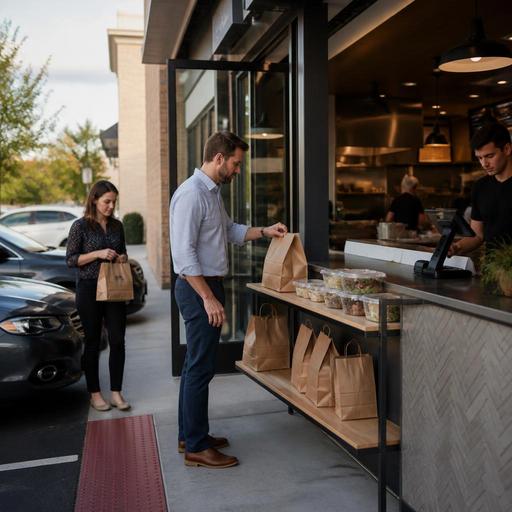
How to Choose a U.S. Restaurant Location for Menu Mix and Pickup Demand
Choosing a U.S. restaurant location for menu mix and pickup demand is not just a real estate decision. It is an operations decision that affects ticket flow, labor scheduling, off-premise sales, delivery app performance, and how well your concept stands out against nearby competitors. A great corner can still be a bad fit if your menu needs fast parking turnover, a pickup shelf, or a kitchen layout that supports takeout and dine-in at the same time.
For U.S. operators, the best site is the one that fits how guests actually order. A breakfast cafe near a commuter rail stop has different needs than a suburban fast-casual bowl concept, a food truck that rotates brewery stops, or a full-service neighborhood restaurant that depends on dinner checks and weekend reservations. Before you sign a lease, test the location through the lens of menu mix, pickup behavior, and local competition.
Start with menu mix, not rent alone
Many operators begin with rent, visibility, and square footage. Those matter, but your menu should lead the site decision. Ask what your food requires from the building, the parking lot, and the guest journey.
A burger and shake spot with heavy takeout volume may need easy curbside pickup, short cook times, and room for a pickup shelf near the entrance. A chef-driven pasta restaurant may need a dining room that supports longer stays and a kitchen line built for plating, not just bagging. A coffee shop with breakfast sandwiches might benefit from morning foot traffic, while a late-night taco concept may do better near bars, campus housing, or entertainment corridors.
- High-frequency, fast-casual menus often need simple ingress, visible parking, and a front counter flow that keeps pickup guests from blocking dine-in traffic.
- Full-service concepts usually need stronger dine-in trade areas, better evening parking, and room for host stand, waiting area, and table turns.
- Pizza, wings, sandwiches, and bowls often over-index on delivery apps and direct online ordering, so driver access and pickup staging matter more than patio size.
- Food trucks and mobile concepts should evaluate commissary access, event routes, local permitting workflows, and whether the menu travels well between service windows.
In practice, this means building a short list of operational must-haves. If your menu depends on fries staying crisp for takeout, the site needs a fast handoff path. If your concept sells family meal bundles, you may need larger bagging space and easier car access than a dessert bar would.
Measure pickup demand in the trade area
Pickup demand is easy to underestimate because it does not always show up in traditional site tours. Stand near the location during lunch and dinner and watch how people move. Are guests walking from nearby offices? Are cars stacking up near neighboring takeout spots? Is there a safe place for a driver to stop without blocking traffic? Can a guest run in, grab a bag from a pickup shelf, and be back in the car in two minutes?
A suburban strip center may be excellent for family takeout if parking is easy and the storefront is visible from the road. An urban neighborhood may generate strong direct online ordering and delivery app volume, but only if couriers can find the entrance and handoff area quickly. In dense downtown districts, a second-floor space can hurt pickup performance even if the rent looks attractive.
Use a simple field checklist during site visits:
- Count available short-stay parking spaces within a practical pickup radius.
- Time how long it takes to enter, park, walk in, and exit during peak periods.
- Observe delivery drivers at nearby restaurants and note congestion points.
- Check whether the entrance can support separate dine-in and takeout traffic.
- Identify where a pickup shelf, QR ordering sign-in point, or curbside handoff station could go.
For example, a fast-casual salad shop in a Dallas suburb may win with strong lunch pickup if office workers can park quickly and grab orders without waiting behind dine-in guests. A pizzeria in Brooklyn may care less about parking but more about sidewalk access, delivery radius, and whether the kitchen can handle app orders without crushing Friday night dine-in service.
Study local competition by channel, not just cuisine
Operators often map competitors by cuisine alone: burgers near burgers, sushi near sushi, tacos near tacos. That is too narrow. You should also study who is winning in the channels you plan to use: dine-in, direct online ordering, delivery apps, catering, reservations, late night, or hotel guest traffic.
A neighborhood may already have three sandwich shops, but if all three have weak pickup flow, poor menu visibility, and long waits on delivery apps, a better-run operator can still take share. On the other hand, a trade area with only one fried chicken concept may still be crowded if grocery prepared foods, convenience stores, stadium concessions, and national QSR brands already own the quick dinner occasion.
Look at competitor operations with a guest eye:
- Is their menu easy to order from on mobile?
- Do they separate in-store lines from pickup guests?
- Are they relying mostly on delivery marketplaces or pushing direct online ordering?
- Do they have visible wait times, reservation flow, or a chaotic front counter?
- Are reviews mentioning cold food, missing items, slow curbside pickup, or confusing service charges?
For chains and multi-location operators, compare competition across formats. A suburban endcap may compete differently than an airport concession or hotel lobby outlet, even under the same brand. An all-day cafe inside a mixed-use building may need grab-and-go breakfast and QR reorder capability, while a street-level location two miles away may need stronger weekend brunch seating and waitlist management.
Check whether the site supports your operating model
A strong location can fail if the building fights your workflow. Before signing, walk the path of a check from order to handoff. Where will guests queue? Where will servers or cashiers enter orders into the POS? Where will tipped staff interact with takeout guests, and how will digital tipping prompts fit the service style? How will delivery drivers avoid crowding the host stand? If you use a kitchen display system, where will expo manage both dining room tickets and app orders?
Consider a few common U.S. scenarios:
Fast-casual bowl concept: Needs a visible make line, fast POS flow, clear pickup shelf, and parking that supports lunch rush. If the entrance bottlenecks, app orders may pile up and hurt throughput.
Full-service bistro: Needs reservation flow, host control, and a bar area that does not interfere with takeout guests. If the dining room is the only path to the door, pickup traffic can disrupt the guest experience.
Food truck near office parks: Needs menu simplicity, prep support, mobile payment reliability, and predictable stops where repeat guests can find the truck. A strong online presence matters because there is no permanent storefront.
Hotel restaurant: Needs to balance room-charge expectations, breakfast peaks, banquet spillover, and local guest acquisition. Pickup may be secondary, but direct ordering for hotel guests can still matter.
Also think about accessibility and compliance in operational terms. Make sure entrances, ordering access, and pickup processes work for a wide range of guests, including those who may prefer staff assistance instead of QR-only flows. If your concept is part of a chain or large group, menu labeling and other rules may apply in certain cases. Sales tax treatment, service charges, alcohol service, labor practices, and local parking or signage rules can vary by state and city, so verify current requirements with qualified advisors and official guidance before launch.
Turn site selection into a testable opening plan
The best operators do not stop at "good location." They define what the location must achieve in the first 90 days. Set targets for dine-in mix, takeout mix, delivery app dependence, direct online ordering adoption, average handoff time, and labor deployment by daypart. Then design the site around those targets.
If pickup is central to the model, plan the handoff area early. If lunch volume drives the business, build labor scheduling around short peaks and clear production stations. If local competition is strong, make ordering easier than the shop next door with cleaner menu structure, faster order status communication, and fewer front-counter bottlenecks.
Before opening, run a practical checklist:
- Test the guest path from parking spot to pickup shelf.
- Map dine-in, takeout, and delivery driver traffic separately.
- Make sure your POS, online ordering, and kitchen display workflows match the location layout.
- Train staff on handoff rules, item checks, and curbside pickup communication.
- Review whether menu categories fit local demand by daypart.
A great U.S. restaurant location is not just where rent pencils out. It is where your menu, guest behavior, and operational systems reinforce each other every shift. Restomas helps operators connect QR menus, ordering flow, POS-connected workflows, and pickup management so a promising location can perform the way it should.
