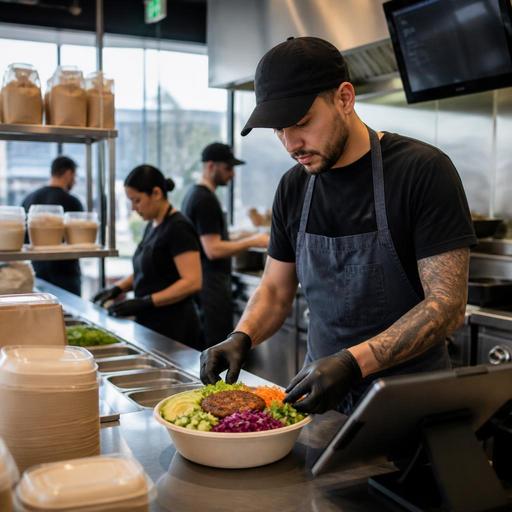
Plant-Based Menu Growth in U.S. Restaurants: Operational Changes to Plan
Plant-based menu growth in U.S. restaurants is no longer just a branding idea for vegan concepts. Diners at neighborhood cafes, fast-casual chains, hotel restaurants, food trucks, sports bars, and airport concessions increasingly expect at least a few credible meat-free or dairy-free options. For operators, that shift affects more than recipe development. It changes prep flow, menu architecture, POS button setup, allergen communication, staff training, and off-premise packaging. If you are planning to expand plant-based offerings, the smartest move is to treat it as an operations project, not just a menu trend.
Start with menu design that fits your service model
Plant-based growth works best when the menu matches how your restaurant already runs. A diner in Ohio may succeed with a black bean patty melt, oat milk shakes, and a vegetable hash that can be ordered all day. A fast-casual bowl concept in Texas may do better with tofu, roasted vegetables, and dairy-free sauces as modular add-ons. A sports bar in Illinois might see stronger demand for cauliflower bites, a meatless burger, and shareable plant-based appetizers that fit game-day tabs.
Before adding items, review where they fit in your current line. If a new dish requires a separate sauce station, extra fryer management, or new cold storage space, the operational cost may outweigh the marketing value. Many U.S. operators do better by adapting existing builds rather than launching completely separate plant-based entrees. For example, a burger shop can offer a plant-based patty on the same bun matrix with clear modifier choices for cheese, mayo, and add-ons. A coffee shop can expand with oat, soy, or almond milk while using the same POS flow and bar setup.
Menu wording matters too. Guests often search for terms like vegetarian, vegan, dairy-free, or meatless, but operators should use labels carefully and make sure recipes match the claim. If your concept is part of a chain or operates in regulated environments, such as airports or hotels, verify any labeling, nutrition, or disclosure requirements with official guidance and qualified advisors, especially if menu labeling rules may apply.
Adjust kitchen workflows to protect speed and consistency
The biggest mistake operators make is adding plant-based items without redesigning prep and cook workflows. During a Friday dinner rush, the issue is rarely demand. It is execution. If your grill station, fryer, expo line, and kitchen display system are not aligned, ticket times climb fast.
Think through each step:
- Storage: Assign clear cold and dry storage locations for plant-based proteins, buns, cheeses, and sauces.
- Prep: Standardize batch sizes, shelf life, and labeling for items like lentil mix, marinated tofu, cashew dressing, or dairy-free slaw.
- Cook line: Decide whether items use the same grill, flat top, fryer, or oven as meat products, and train staff on the exact procedure.
- Cross-contact controls: If you market an item as vegan or dairy-free, establish separate utensils, clean surfaces, and clear line habits where feasible.
- Expo: Add obvious packaging or plate markers so dine-in runners and takeout staff do not swap a plant-based order with a standard one.
A food truck in Los Angeles, for example, may only have one flat top and one fryer, so the practical answer might be a limited plant-based range with clearly explained preparation methods. A multi-location fast-casual brand, on the other hand, can build stronger consistency by using kitchen display routing, recipe cards, and station checklists across every store.
Operators should also review whether special requests are increasing. If servers or cashiers constantly key in no cheese, no aioli, substitute plant-based patty, and side sauce changes, that is a sign your menu and POS need cleaner default builds.
Update POS, online ordering, and QR menus before launch
Plant-based menu growth often breaks down at the ordering layer first. Guests may find the item on Instagram, but if they cannot customize it correctly on your QR menu, kiosk, or direct online ordering page, the kitchen receives confusing tickets and the guest receives the wrong meal.
In U.S. operations, build plant-based items with structured modifiers instead of relying on open notes. A better setup is:
- Base item: plant-based burger
- Choice of cheese: regular, vegan, none
- Sauce selection: standard sauce, vegan sauce, no sauce
- Side choice: fries, side salad, fruit cup
- Allergen or preparation note shown where appropriate
This approach helps dine-in QR ordering, cashier entry, self-service kiosks, and third-party delivery app menus stay aligned. It also reduces voids and remakes. If you use multiple delivery marketplaces plus direct ordering, check that each channel displays plant-based labels the same way. A guest ordering takeout from a suburban New Jersey restaurant should see the same core choices on the restaurant website, on a pickup shelf label, and on the kitchen display ticket.
Photos help, but accuracy matters more than aspiration. If your item is only available with certain substitutions during lunch or only at select locations, reflect that in the menu structure. For ADA-minded access, avoid depending only on color coding or icons to explain plant-based status. Use readable text labels and simple modifier language so more guests can navigate the menu easily.
Train front-of-house and managers on guest questions
Servers, cashiers, and shift leads need a short script for common plant-based questions. In many U.S. restaurants, guests do not ask only whether an item is vegan. They ask whether the bun contains dairy, whether fries share a fryer, whether a sauce includes honey, and whether a shake can be made with oat milk. If the answer changes by location, daypart, or supplier, staff need an approved reference, not guesswork.
Build training around the questions your team hears at the register and on the floor:
- Which items are vegetarian, vegan, or dairy-free?
- Which modifiers turn a standard item into a plant-based one?
- Which ingredients are prepped in-house versus received from suppliers?
- What should staff say about shared equipment or cross-contact risk?
- How should takeout and delivery orders be checked before handoff?
This is also where labor scheduling matters. If new menu items increase customization at lunch, you may need stronger expo coverage or one more trained line cook during peak periods. In full-service restaurants, managers should monitor whether plant-based questions are slowing table turns or increasing check times. In counter-service concepts, watch whether register interactions are backing up the line.
If your concept includes tipped staff, be sure menu changes, service charges, and any digital ordering flows are configured clearly in the POS and payment process. Operators should verify current federal, state, and local rules around wages, tips, service charges, and reporting with qualified advisors or official guidance.
Price for margin, not just for trend appeal
Plant-based items can be profitable, but only if you cost them honestly. Some operators assume a meatless dish should automatically be cheaper. In practice, specialty patties, dairy alternatives, nuts, avocados, and small-batch sauces can create higher food cost than a standard chicken sandwich. Packaging can also shift cost, especially if your plant-based takeout item needs vented containers or separate sauce cups to hold quality during delivery.
Review these areas before rollout:
- Ingredient yield: Measure actual portions for grains, roasted vegetables, sauces, and toppings.
- Waste risk: Track spoilage on lower-volume ingredients, especially specialty dairy alternatives.
- Delivery hold time: Test how the item performs after 15 to 30 minutes in a bag for pickup or delivery app orders.
- Combo logic: Decide whether plant-based items belong in meal deals, lunch combos, or happy hour food menus.
- Location variation: A downtown office lunch crowd may buy different plant-based items than a highway travel plaza or hotel lobby restaurant.
For chains and multi-unit groups, standard reporting is essential. Compare sales mix, modifier frequency, remake rates, and item-level margins by location. A Chicago fast-casual unit may need a different plant-based hero item than a Phoenix airport concession because guest flow, holding time, and staffing are different.
Plant-based menu growth is strongest when operators build it into inventory, ordering, prep, staff training, and digital menu logic from day one. With a clear workflow, restaurants can expand guest choice without slowing service or creating avoidable mistakes. Restomas can help operators connect QR menus, ordering flows, and kitchen execution so new menu categories are easier to manage across channels.