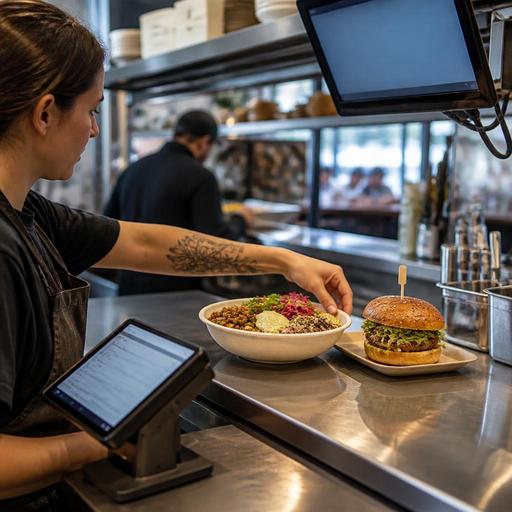
Plant-Based Menu Expansion for U.S. Restaurants: Operational Changes to Plan
Plant-based menu expansion for U.S. restaurants is no longer just a marketing idea or a one-item menu test. For many operators, it affects prep flow, purchasing, menu labeling, server training, online ordering, and how tickets move through the kitchen during a busy lunch rush. Whether you run a neighborhood diner, a fast-casual bowl shop, a hotel restaurant, or a food truck, adding more plant-based choices works best when the operational plan is as clear as the recipe.
In the United States, guests often expect to filter menus quickly for vegan, vegetarian, dairy-free, or meatless options across dine-in, takeout, curbside pickup, and delivery apps. That means the real challenge is not only what to sell, but how to present, produce, and fulfill those items consistently across every ordering channel. If you operate in multiple states or cities, verify any local labeling, labor, tax, accessibility, or health requirements with qualified advisors and official guidance before rolling out changes.
Start with menu architecture, not just new recipes
Many operators begin by testing a black bean burger, cauliflower tacos, or oat milk add-ons. That can work, but plant-based growth becomes easier when you redesign the menu structure first. Guests should be able to understand what is fully plant-based, what is vegetarian, and what can be modified without slowing down the line or creating confusion at the table.
For example, a fast-casual salad chain in Texas may offer a base bowl with roasted vegetables, grains, and chickpeas, then let guests add proteins or sauces. A diner in Ohio may keep classic breakfast items but add a tofu scramble, avocado toast, and plant-based sausage as clean line extensions. A sports bar in Illinois might not build a separate vegan menu at all, but instead clearly mark plant-based wings, dairy-free dips, and a meatless flatbread on the main menu and QR menu.
- Use clear naming: Avoid vague labels like healthy bowl when the item is actually vegan.
- Define modifications: Mark whether a dish is plant-based as served or only after removing cheese, aioli, or butter.
- Standardize across channels: The POS, QR menu, direct online ordering page, and delivery app listings should match.
- Keep ADA-minded access in mind: Digital menus should be easy to navigate and not rely only on color to communicate dietary information.
If your brand operates multiple locations, build one shared item library with approved descriptions, modifiers, and allergen notes so guests do not see different wording from one store to another.
Plan kitchen flow to prevent cross-contact and ticket errors
Plant-based items can create friction in the kitchen if they are added without changes to prep stations, storage, and expo communication. During a Friday dinner rush, the issue is rarely the recipe itself. The issue is whether the line can produce the item accurately while handling burgers, wings, fries, salads, and delivery orders at the same time.
A burger concept in California adding a plant-based patty should decide in advance how that item is cooked, held, and built. A food truck in Portland serving both beef tacos and mushroom tacos may need separate squeeze bottles, cutting boards, and clearly labeled hotel pans to reduce confusion. A hotel restaurant with breakfast, room service, and banquet production may need a different prep workflow entirely so plant-based options are not treated as one-off special requests.
Operational questions to answer before launch
- Will plant-based proteins use a separate grill area, pan, or utensils?
- Which sauces, buns, sides, and dressings are actually plant-based?
- Can the kitchen display system flag these tickets clearly for the line and expo?
- Do pickup shelf and takeout labels identify the item accurately for guests and runners?
- Are fryers shared, and if so, how will staff describe that to guests who ask?
If you make claims related to allergens, vegan preparation, or ingredient standards, train staff carefully and verify your exact wording with official guidance where needed. Operators should avoid casual promises that the kitchen cannot support consistently.
Update purchasing, inventory, and prep forecasting
Plant-based menu growth changes ordering patterns quickly. Items like oat milk, vegan cheese, meat alternatives, hummus, lentils, mushrooms, specialty buns, and dairy-free sauces may have different shelf life, vendor lead times, and storage needs than your core products. If you run a cafe with a strong morning business, oat milk demand may spike on weekdays while plant-based lunch items move more slowly. In a college-town QSR, the opposite may happen late at night.
Operators should map plant-based ingredients into inventory counts instead of treating them as side items. A common mistake is tracking sales of a vegan sandwich but not tracking the avocado spread, marinated vegetables, or dairy-free spread that actually drive waste. A kitchen display system and POS reporting setup can help compare item sales with prep usage, especially if each modifier is counted correctly.
- Create prep pars by daypart: Breakfast, lunch, dinner, late night, and game-day traffic may vary sharply.
- Watch substitution patterns: If guests often swap dairy cheese for vegan cheese, forecast that modifier separately.
- Coordinate with delivery packaging: Some plant-based items lose texture fast in transit, especially fries, crispy tofu, or dressed grain bowls.
- Review vendor consistency: Ingredient changes can affect labeling, guest expectations, and recipe yields.
For airport concessions, stadium venues, and hotel operations, plant-based demand may be compressed into narrow service windows. Tight forecasting matters because overproduction can increase spoilage, while underproduction can remove the very items guests came looking for.
Train front-of-house and digital ordering teams to guide guests correctly
Servers, cashiers, bartenders, and guest support staff need practical scripts, not just a note that the restaurant now has vegan options. In the U.S., guests often ask detailed follow-up questions at the table, at the counter, or through online order notes. If the answer changes depending on who is working, trust drops fast.
A brunch restaurant in Atlanta might train servers to explain which hash items can be made without dairy and which breads contain egg. A fast-casual concept in Arizona may need cashiers to suggest a plant-based combo that still moves quickly through the line. A bar offering late-night food may need bartenders to know whether the pretzel, dip, and flatbread can be sold as a shareable meatless tab option during peak service.
Digital ordering needs the same discipline. Modifier logic should prevent impossible combinations, such as selecting a vegan bowl with a dairy-based sauce by default. QR ordering and direct online ordering should surface plant-based filters clearly, and delivery marketplace menus should use the same item names and modifier rules as in-house systems whenever possible.
If you use service charges, tips, or pooled tipping workflows, keep plant-based rollout training separate from pay policy communication. For labor, scheduling, and tip reporting questions, operators should follow current federal, state, and local rules and confirm details with payroll, HR, or legal advisors.
Measure performance beyond simple sales counts
Do not judge plant-based expansion only by how many vegan entrees sold last week. Look at attach rates, modification frequency, remake rates, delivery complaints, and whether these items help checks grow across dine-in and takeout. A suburban family restaurant may find that one plant-based entree lifts group decision-making because mixed-diet parties can agree to visit. A coffee shop may learn that oat milk attachment matters more than launching a full vegan pastry case. A burger chain may see stronger direct online ordering conversion when guests can filter dietary preferences quickly.
Useful review points include:
- Which plant-based items sell best by channel: dine-in, takeout, curbside pickup, direct ordering, or delivery apps?
- Which modifiers cause the most kitchen delays or guest confusion?
- Are remakes happening because of labeling, packaging, or line execution?
- Do certain locations need different assortments based on local demand?
- Are plant-based items helping lunch traffic, late-night orders, or catering inquiries?
For larger chains, remember that menu labeling rules may apply differently depending on your footprint and concept structure. If your restaurant group is large enough for FDA menu labeling considerations or other state and local disclosure requirements, confirm the current rules before publishing nutrition or claim language.
Plant-based growth works best when operations, not trend chasing, lead the rollout. Restomas can help restaurant teams keep digital menus, ordering flows, and kitchen execution aligned as new plant-based items expand across channels.
