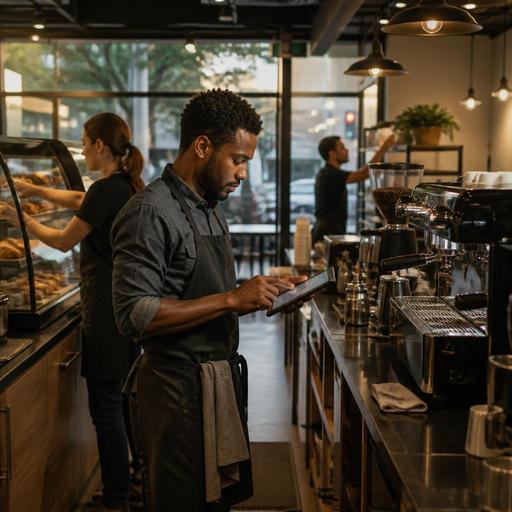
Opening Checklist Workflows for U.S. Cafes and QSR Teams
Opening checklist workflows for U.S. cafes and QSR teams are one of the simplest ways to reduce rushed starts, ticket delays, cash handling mistakes, and missed prep. In American cafe and quick-service operations, the first 30 to 90 minutes of the day shape everything that follows: coffee quality, breakfast speed, online order readiness, pickup shelf accuracy, and labor efficiency. Whether you run a suburban coffee shop, a downtown fast-casual salad line, a food truck at a business park, or a multi-unit breakfast concept, a strong opening routine helps your team start the shift with fewer surprises.
The goal is not to create a giant binder nobody reads. The goal is to build a repeatable workflow that matches your concept, your POS stack, your kitchen display system, your staffing model, and your sales channels. In practice, that means turning opening tasks into a short sequence with owners, managers, baristas, cashiers, line cooks, and shift leads each knowing what must be done before the first guest walks in or the first takeout order fires.
Start with station-based opening roles
Many U.S. operators make the same mistake: they write one general opening list for the whole store. A better method is to assign tasks by station and by time window. In a cafe, the barista station, pastry case, front counter, dining room, and digital ordering station all have different priorities. In a QSR burger or bowl concept, the grill, cold line, fry station, expo, front register, and curbside pickup area each need their own checks.
For example, a neighborhood cafe in Chicago may schedule one opener for espresso calibration and brewed coffee, one for bakery display and grab-and-go cooler stocking, and one for POS drawer setup and online order channel review. A fast-casual chicken shop in Texas may assign one opener to fryer oil checks and breading setup, another to prep and sauces, and a front-of-house lead to delivery app tablet status, pickup shelf readiness, and restroom checks.
- Manager or shift lead: alarm, entry, lights, music, HVAC, security walk-through, cash drawer access, POS login check, labor plan review
- Front counter: register readiness, receipt paper, payment terminal check, tip prompt review, cups, lids, straws, napkins, ADA-minded path clearance
- Kitchen or bar: equipment warm-up, temperature checks, prep pull, pars, sanitizer setup, kitchen display system screen test
- Guest area: tables, condiment station, restroom readiness, patio setup if applicable, pickup shelf or curbside pickup staging
Keep each checklist short enough to complete under pressure. If a list is too long, split it into pre-open critical tasks and first-hour secondary tasks.
Build the checklist around sales channels, not just the dining room
American cafes and QSR teams rarely open for just walk-in traffic anymore. Your opening workflow should reflect every revenue channel you operate: dine-in, takeout, direct online ordering, delivery apps, phone orders, curbside pickup, and in some cases QR ordering at tables. If one channel is ignored in the opening routine, the team often discovers the problem only after guests start ordering.
A practical opening workflow includes a quick digital readiness check:
- Confirm the POS is online and synced with menus, modifiers, and pricing.
- Check that direct online ordering is accepting orders for the correct hours.
- Verify delivery app availability, item status, and tablet or integration connection.
- Test kitchen display routing so front counter, online, and third-party delivery tickets land in the right prep queue.
- Confirm pickup shelf labels, bagging supplies, and curbside handoff process.
Consider a morning bagel shop in New Jersey. If the cream cheese modifier is missing in the POS, the issue can affect in-store orders, app orders, and delivery marketplaces at the same time. Or think about an airport concession opening at 5 a.m.: if brewed coffee is ready but the payment terminal is disconnected, speed of service stalls immediately. Digital checks are not separate from operations anymore; they are the opening line.
If you use QR menus or QR ordering, test them from a guest perspective. Open the menu on a standard smartphone, review item visibility, and confirm that key details are accessible and easy to read. Operators should also think about ADA-minded access in practical terms, such as readable digital menus, clear paths to counters, and alternative ordering support when needed. Accessibility requirements can vary by situation, so verify current obligations with qualified advisors or official guidance.
Protect speed with prep pars, equipment checks, and handoff zones
Opening checklists should prevent the most common breakfast and lunch breakdowns: missing prep, cold equipment, no labels, empty sauce bottles, and clogged guest handoff areas. The faster your concept, the more opening discipline matters.
For a U.S. quick-service team, useful opening checks often include:
- Pulling the right prep based on forecast, daypart, and local events
- Checking refrigeration, hot holding, and smallwares before production starts
- Labeling grab-and-go items and confirming any chain menu labeling workflow where applicable
- Stocking packaging for takeout, delivery, and pickup shelf orders
- Setting expo and bagging stations so delivery drivers do not crowd the register
A college-town smoothie cafe may need extra fruit prep and cold cup stocking before a morning class rush. A food truck serving breakfast burritos may need a tighter generator, griddle, and mobile payment check because there is no back room to recover from a missed step. A hotel cafe may open with room-charge questions, lobby pickup, and early conference coffee volume, so the handoff zone and labeling routine matter more than extra seating checks.
If your brand has 20 locations, use one standard opening structure but allow local store notes. A city-center store with heavy delivery volume may need more emphasis on app readiness, while a suburban unit may focus on drive-thru headsets, curbside pickup spots, or family breakfast bundles.
Include payment, tips, and compliance-sensitive steps carefully
Opening routines should cover payment and team readiness without drifting into legal or tax advice. In U.S. operations, that means making sure staff can take orders and close checks correctly while leadership verifies local requirements separately.
Examples of practical opening steps include checking that payment terminals are connected, confirming accepted tender types, verifying that service charge settings are applied correctly where used, and making sure tipped staff know how tip prompts, pooled tips, or declared cash tips are handled in your workflow. Sales tax, service charges, tip reporting, wage rules, and local labor requirements differ by state and city, so operators should confirm current rules with their accountant, payroll provider, attorney, or official agency guidance.
The same principle applies to labor and food safety. Your opening checklist can include attendance confirmation, break coverage planning, and line assignments, but scheduling, predictive scheduling rules, minor labor restrictions, health department expectations, and alcohol service rules vary by jurisdiction. Keep the checklist operational, and verify the underlying requirements locally.
For larger chains, menu disclosures and labeling processes may also matter, especially if you operate under rules that apply to larger multi-location brands. The opening task is simple: make sure the menu version live in-store and online matches your approved item setup. The legal interpretation belongs with qualified advisors.
Turn the checklist into a daily management system
The best opening checklist is not a laminated sheet hidden near the office safe. It is a daily management tool that can be completed, reviewed, and improved. Start by timing your current opening for one week. Note where delays happen: espresso machine warm-up, late prep, missing produce, slow POS login, or delivery tablet issues. Then update the checklist so the sequence reflects reality.
Use these habits to keep the workflow useful:
- Review missed opening tasks in pre-shift huddles without turning the list into punishment.
- Track recurring issues by station, such as pastry shortages or printer failures.
- Separate owner tasks from hourly crew tasks so nobody waits on manager-only steps.
- Use photos or simple digital task lists for consistency across locations.
- Revisit the checklist when you add new channels like direct ordering, QR ordering, or curbside pickup.
A practical example: a three-unit cafe group in Florida may discover that one store opens smoothly because the shift lead checks online ordering before brewing the second batch of coffee, while another store waits until guests complain. Once that step becomes standard, ticket timing improves across all units. That is the value of workflow design: fewer preventable problems, better guest experience, and a calmer team.
When your opening routine is visible, timed, and tied to real stations, your cafe or QSR starts the day ready for walk-ins, takeout, delivery apps, and the lunch rush. Restomas can help operators organize digital menus, order flow, and service workflows so opening tasks are easier to standardize across everyday restaurant operations.
