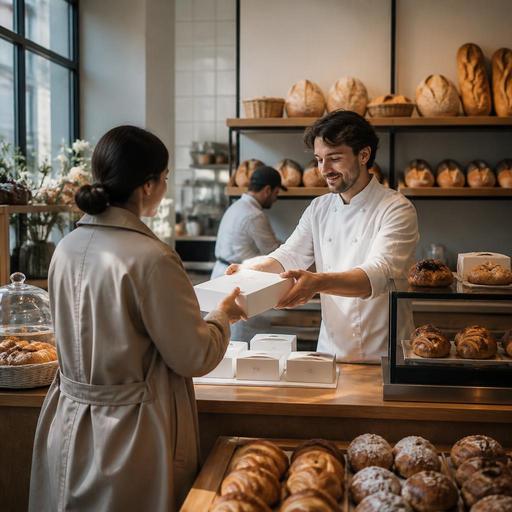
Pre-Order Systems for Bakeries: Sell More Without Morning Chaos
For bakeries and patisseries, a strong pre-order system for bakeries can do more than collect orders in advance. It can smooth the morning rush, make production easier to plan, reduce disappointing stockouts, and give guests a faster, more reliable buying experience. Whether you sell sourdough loaves, celebration cakes, breakfast pastries, or boxed desserts, pre-orders help turn demand into a manageable workflow instead of a daily guessing game.
The practical value is simple: when customers order ahead, your team gains visibility. You know what needs to be baked, packed, labeled, and held for pickup. That clarity affects purchasing, prep timing, labor allocation, and front-counter service. For shops that struggle with long queues, custom orders, or uneven demand across the week, a well-designed system can create immediate operational improvements.
Why Pre-Orders Matter in Bakery Operations
Bakery products are highly time-sensitive. Many items have short peak freshness windows, and many shops still rely on rough estimates for daily production. That often leads to two expensive problems: overproduction and missed sales. A pre-order process helps you reduce both by turning uncertain demand into visible demand.
Consider a neighborhood patisserie that sells laminated pastries, birthday cakes, and weekend dessert boxes. Walk-in traffic may still drive a large share of sales, but pre-orders can stabilize the most complex part of the business. Cake orders require design notes, pickup times, and allergy awareness. Weekend pastry boxes need cut-off times and production caps. Holiday items need capacity control. Without a structured digital process, staff often manage these details through phone calls, chat messages, handwritten notes, and memory. That is where errors begin.
Pre-orders also improve the guest experience because they remove friction. A customer ordering a fruit tart for a dinner party wants confidence that the item will be ready, correct, and easy to collect. A commuter picking up croissants on the way to work wants speed. A parent ordering a custom cake wants clarity about flavors, sizes, and pickup timing. A digital system can support all three use cases without forcing staff to answer the same questions repeatedly.
What a Good Bakery Pre-Order System Should Include
Not every online ordering setup works well for bakeries. The best bakery pre-order flow reflects how baked goods are actually produced and sold. It should help guests order correctly while helping staff execute consistently.
Clear item structure
Products should be organized by category, such as breads, viennoiserie, cakes, cookies, seasonal items, and catering trays. Guests should quickly understand what is available for same-day pickup, next-day pickup, or longer lead times.
Pickup scheduling and cutoff times
A bakery needs control over timing. For example, croissant boxes may be available for pickup after the first bake, while custom cakes may require at least one or two days of notice. The system should make these rules visible before checkout, not after staff has to call the guest.
Modifiers and order notes
Cake inscriptions, portion sizes, flavor choices, fillings, and allergen-related notes all need structured input fields. Free-text notes alone are risky. If guests can choose from clear options first and add a short note second, errors become easier to prevent.
Capacity management
Some items should have order limits. A small patisserie may only be able to produce a certain number of mille-feuille cakes or holiday pies per day. Once capacity is reached, the item should close automatically for that slot or date.
Integrated order visibility
Front-of-house, kitchen, and pastry teams should all see the same order details. A disconnected process creates duplicate work and confusion, especially when the shop handles both walk-ins and pre-orders at once.
- Best for daily items: breads, breakfast boxes, pastry assortments, coffee bundles
- Best for scheduled production: celebration cakes, catering platters, seasonal desserts
- Best for high-demand dates: holidays, weekends, school events, office orders
How Pre-Orders Improve Production and Staffing
Pre-orders are not only a sales channel. They are a planning tool. When tomorrow's orders are visible today, the team can produce with more confidence. Dough batches, fillings, toppings, packaging, and labels can be prepared based on actual commitments rather than broad assumptions.
For example, if a bakery sees strong pre-orders for cinnamon rolls, two tray cakes, and a dozen quiches for Saturday morning, the owner can assign labor more intelligently. One baker starts laminated items earlier, another handles savory prep, and a front-counter employee is scheduled specifically for pickup handoff between opening and mid-morning. This is much easier than discovering demand only when guests arrive.
Staff management becomes especially important when skilled labor is limited. Many bakeries operate with small teams where one absent employee can disrupt the whole shift. A pre-order system helps managers identify where labor is truly needed. If custom cake pickups are clustered in the afternoon, decorating and packaging can be planned accordingly. If weekday breakfast pre-orders are increasing, pickup shelving and labeling may matter more than adding another cashier.
Operationally, bakery teams can use pre-order data to improve:
- Batch planning: produce more accurately against known orders
- Prep sequencing: prioritize long-lead products first
- Packaging workflow: label and stage orders by pickup time
- Counter efficiency: separate pickup guests from browsing guests
- Waste control: reduce excess production on slower days
Even a simple pickup board or color-coded order status can make a difference when paired with digital order intake. The key is that pre-orders should feed the workflow, not sit outside it.
Designing a Better Guest Experience Around Pickup
A common mistake is to focus only on taking the order, not on completing the handoff. In bakeries, pickup is part of the brand experience. If guests pre-order to save time but still wait in a crowded queue, the system is underperforming.
Start by creating a dedicated pickup flow. This may be a separate shelf, a clearly marked counter zone, or a staff member assigned during peak periods. Orders should be easy to find by customer name and time. Packaging should protect delicate products and keep labels readable. If a customer ordered six individual desserts and a cake, the staff should not have to unpack items to verify the contents at handoff.
Communication also matters. Confirmation messages should state pickup date, time window, location, and any storage instructions. If an item requires refrigeration or careful transport, mention it clearly. If the bakery closes early on certain days, that should be visible before the order is placed.
Digital menus and ordering tools can support this by presenting availability clearly and collecting complete order details from the start. Restomas-style workflows are especially useful when bakery owners want one place to manage digital menus, incoming orders, timing rules, and guest-facing ordering without relying on scattered messages across multiple channels.
Practical Steps to Launch or Improve Your System
If your bakery currently takes pre-orders by phone, social media direct messages, or paper notes, the goal is not to change everything at once. Start with the products that create the most operational friction and move them into a structured digital flow first.
- Choose your first pre-order categories. Start with cakes, pastry boxes, or office breakfast bundles rather than every single item.
- Set realistic lead times. Build rules around what your team can actually produce, not what you hope to accommodate.
- Standardize modifiers. Turn common requests into selectable options such as size, flavor, inscription, and pickup date.
- Create daily pickup windows. Avoid vague “anytime today” collection if your counter gets busy at specific hours.
- Define capacity limits. Protect quality by capping labor-intensive products per day or time slot.
- Train staff on one shared process. Everyone should know where orders appear, how they are confirmed, and how they are staged.
- Review order patterns weekly. Use what guests actually pre-order to refine production, packaging, and menu visibility.
As demand grows, you can expand into seasonal pre-order campaigns, holiday bundles, and recurring corporate orders. The most successful bakery systems are not the most complex ones. They are the ones that make ordering easy for guests and execution predictable for staff.
For bakeries and patisseries, pre-orders work best when they are treated as an operational system, not just a digital form. If you want to make that process easier to manage, Restomas can help bring menus, order flow, and pickup planning into one practical setup.
