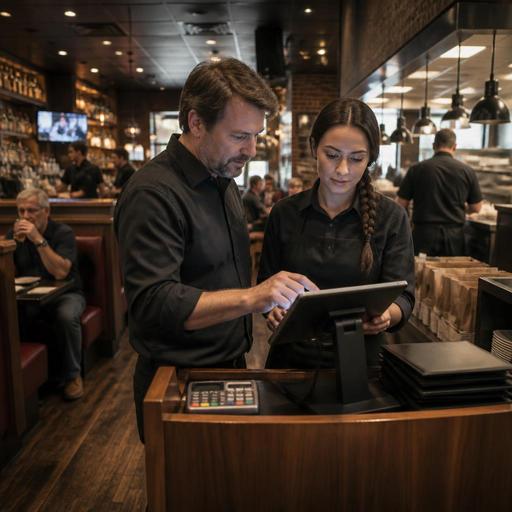
Tip Pooling Visibility for U.S. Restaurants Without Giving Payroll Advice
Tip pooling visibility for U.S. restaurants matters because staff trust can break down fast when people do not understand where pooled tips came from, how shifts were counted, or when adjustments were made. Whether you run a neighborhood diner, a fast-casual counter with a tip prompt, a full-service bar, or a multi-location restaurant group, the goal is not to turn your software into payroll advice. The goal is to create a clear operational record that helps managers, servers, bartenders, runners, and cashiers see the same inputs before payroll is finalized.
In the United States, tip handling touches POS workflows, credit card settlement timing, cash tips, service charges, online ordering, delivery apps, and tip reporting. Rules can vary by state and city, and some roles, tip pool structures, or employer practices may be restricted or handled differently depending on local law. Operators should work with qualified payroll, legal, and tax advisors and confirm current official guidance before changing any tip policy. Software should support visibility, not replace compliance decisions.
Why visibility matters more than a complicated formula
Most team frustration around pooled tips starts before payroll. A server closes checks at the end of the night and sees one number in the POS, while a bartender remembers cash tips not entered anywhere, and a shift lead manually edits a spreadsheet after a walkout, void, or comp. By the time pay day arrives, the argument is no longer about the policy alone. It is about whether the numbers can be trusted.
A practical visibility system should answer a few simple questions for every shift. What tips were collected on card transactions? What cash tips were declared or logged? Which employees were on the shift, in which roles, and for how long? Were there any manager adjustments, and why? If your team can review those inputs consistently, disputes usually get smaller and easier to resolve.
For example, a casual seafood restaurant in Florida might pool front-of-house tips across lunch and dinner but exclude private event checks handled separately. A coffee shop in Chicago may split digital tips by hours worked at the register and handoff station. A sports bar in Texas may need to separate regular dine-in tips from large-party service charges or banquet-style event fees. These are operational distinctions first. Your system should make them visible in plain language.
Build one source of truth from the POS to payroll handoff
The cleanest setup is a documented handoff between the POS, shift records, and payroll team. That does not mean payroll calculations must happen inside one tool, but it does mean everyone should know which system is the source for each data point.
- POS tracks charged tips, check closures, refunds, voids, discounts, and role-based sales activity.
- Scheduling or timekeeping tracks who worked, when they clocked in and out, and which job code or role they held.
- Manager log records exceptions such as drawer overages, guest recovery comps, tip-outs for support roles, or reopened checks.
- Payroll handoff report summarizes approved tip inputs without presenting itself as legal or tax advice.
Think about a fast-casual burger brand with counter service, self-order QR ordering at tables, and pickup shelves for takeout. Tips may come from several channels: in-person card payments, online ordering, kiosk or QR payments, and occasional cash in the jar. If those channels are reported separately, employees may assume one source was ignored. A unified daily report helps the shift lead show where each amount originated and whether it belongs in the pool under your current policy.
For full-service restaurants, the same principle applies to split checks and bar tabs. If a table starts at the bar, moves to dining, and closes on a handheld device, your workflow should show whether the tip stayed with the original check owner, followed the final closer, or moved into a shared pool. The right answer depends on your policy and local requirements, but the visibility should be consistent.
Separate pooled tips, service charges, and marketplace payouts
One of the biggest U.S. operating mistakes is mixing unlike revenue and gratuity categories in the same conversation. Staff hear the word tip and assume every extra charge belongs in the same bucket. That can create avoidable confusion.
Keep separate reporting lines for:
- Guest-added tips on dine-in, takeout, QR ordering, or direct online ordering.
- Cash tips that staff report or managers log under your process.
- Service charges such as automatic fees for events, large parties, catering, or house policies.
- Third-party delivery marketplace tips when those orders flow through delivery apps.
- House account or hotel folio charges for hotel restaurants and room service.
This matters because a New York hotel restaurant may route room service through a guest folio, while the lobby bar closes tabs directly in the POS. An airport concession may process high volumes of card tips but also deal with delayed settlements or operational quirks tied to concession systems. A food truck at a weekend festival may collect tips through a cellular POS plus cash at the window. If you combine all of that into one unreviewed total, staff cannot tell what was actually pooled.
It also matters for tax, wage, and reporting conversations. Operators should avoid labeling service charges as tips inside internal reports unless that treatment is accurate under current law and guidance. Verify treatment with your accountant, payroll provider, or legal advisor, especially when state rules, sales tax handling, or local labor standards may affect your workflow.
Give staff a review window before payroll closes
Transparency works best when employees can see shift-level data early enough to ask questions. A short review window, even just the next morning for daily-close operations, can reduce end-of-pay-period disputes. The review should not invite everyone to recalculate payroll on their own. It should let them confirm operational facts.
Useful review items include hours worked, role assignment, charged tips by channel, declared cash tips if applicable, approved tip-out entries, and manager notes for unusual situations. If a server covered both patio and takeout during a rainstorm shift, the role coding should reflect that. If a bartender clocked out late because tabs remained open during a playoff game, that extra time should not disappear from the labor record used in tip pool inputs.
For accessibility, make sure any staff-facing report is readable on common mobile devices and does not rely only on tiny color cues or hard-to-read screenshots. ADA-related obligations can vary by context, but accessible design is still smart operations. Plain labels, readable contrast, and simple exports help team members review information without unnecessary friction.
Write a manager playbook for exceptions and disputes
Even with good systems, exceptions happen. The solution is not more mystery. It is a short playbook managers can follow consistently across shifts and locations.
Include these items in the playbook
- Who can edit tip-related records and which edits require a reason.
- How to document reopened checks, refunds, chargebacks, comps, and walkouts.
- How to handle staff working multiple roles in one shift.
- How to separate direct online ordering tips from delivery app tips.
- When employees can review tip pool inputs before payroll submission.
- Who approves final exports to payroll or accounting.
A multi-location taco group, for instance, may want the same exception codes across every store so regional managers can compare like with like. A diner with overnight service may need a separate closeout process because checks stay open past midnight. A stadium food vendor may need event-based reporting rather than standard daily reporting. Different concepts need different workflows, but the principle is the same: document exceptions before they become disputes.
When your systems connect ordering, payments, shift records, and reporting in one place, it becomes easier to show the team what happened operationally without claiming the software is making legal determinations. That is the right balance. Restomas can support that kind of clear handoff by connecting ordering and operational data so managers have cleaner records to review before payroll processing.
