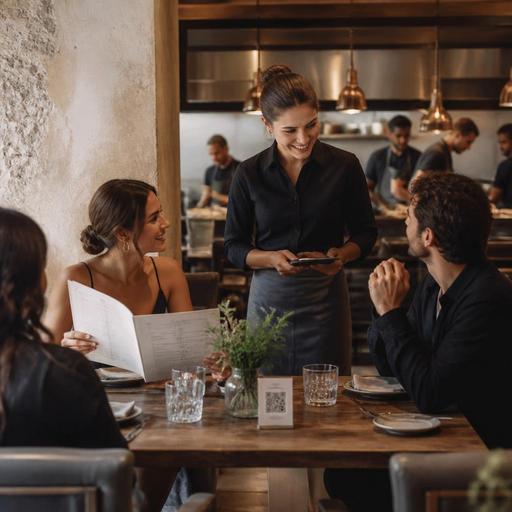
How to Modernize a Heritage Restaurant Without Losing Its Soul
Many owners worry that digitizing a traditional restaurant without losing its character means choosing between efficiency and atmosphere. In practice, the best digital changes do the opposite. They remove friction behind the scenes, make service more consistent, and give staff more time to deliver the warm, human hospitality that regular guests remember. A family dining room, neighborhood cafe, historic eatery, or long-running local favorite does not need to look like a tech showroom to benefit from modern tools. The goal is not to replace tradition. The goal is to protect it while making daily operations easier.
Start by defining what should never change
Before adding any digital system, identify the parts of the restaurant that guests associate with its identity. This step helps owners avoid adopting tools that feel out of place.
For one restaurant, the signature elements may be hand-written specials, a server who explains the menu in detail, and a dining room built around slow, personal service. For another, it may be the open kitchen, a long family-style lunch, or recipes presented exactly as they were years ago. These are not obstacles to digitization. They are design rules.
Ask a few simple questions:
- What do regular guests mention most often?
- Which service moments feel personal and memorable?
- Where do staff spend time on repetitive tasks that guests never value?
- Which parts of the operation cause delays, order mistakes, or confusion?
Usually, the answer reveals a useful pattern. Guests care about the greeting, food quality, atmosphere, and confidence of the staff. They care much less about whether a menu update is printed manually, whether the kitchen receives tickets from several channels, or whether reservation notes live on paper. That is where digitization should begin.
Digitize the invisible work first
The safest way to modernize a traditional restaurant is to improve workflows that guests barely see. This protects the dining experience while reducing operational strain.
A practical first example is menu management. A restaurant with seasonal dishes, daily soups, market fish, or changing dessert availability often struggles with reprinting menus or verbally correcting items during service. A digital menu can solve this without removing the printed menu entirely. Owners can keep the classic printed version on tables and use a QR menu for details that change more often, such as sold-out items, allergy notes, photos, or translations. This approach preserves the restaurant's familiar look while improving accuracy.
Another example is order flow. In many traditional restaurants, problems do not come from the food or the staff's attitude. They come from handwritten notes, duplicated entry, missed modifiers, and poor communication between floor and kitchen. Digital order management can route orders more clearly, organize timing, and reduce the pressure of peak periods. Guests simply experience smoother service. They do not need to see the system working in the background.
Reservations are another low-risk starting point. If a host stand still depends on paper notebooks or phone memory, guest preferences can easily get lost. A digital reservation workflow makes it easier to track table timing, special requests, repeat visitors, and no-show patterns while keeping the welcome personal. A returning guest can still be greeted by name. The difference is that the information is easier to find and share with the team.
Use digital tools to support hospitality, not replace it
Traditional restaurants often fear that screens will weaken personal service. That only happens when technology is forced into moments where human interaction matters more.
For example, table-side QR menus can be useful, but they should not eliminate the role of a knowledgeable server in a restaurant where storytelling is part of the meal. Instead, use the QR menu as a support layer. It can provide ingredient details, wine pairing notes, multilingual access for tourists, or allergy information, while the server continues guiding the guest through favorites and house specialties.
The same principle applies to payment and ordering. In a fast lunch cafe, scan-to-order may improve turnover and reduce lines. In a classic dinner house, it may be better used only as an optional convenience for guests who prefer speed or contactless service. The right digital choice depends on the service style, not on trends alone.
Owners should evaluate each tool with one question: Does this create more time for genuine hospitality? If yes, it is likely a good fit. If it interrupts the mood, confuses guests, or makes service feel mechanical, it should be redesigned or used differently.
Concrete examples include:
- Using digital menus for live item availability while keeping printed menus for the dining room experience.
- Adding reservation notes so staff remember a guest's preferred table or dietary needs.
- Integrating POS and order channels so servers spend less time fixing ticket issues.
- Using kitchen display workflows to improve pacing without rushing the front-of-house tone.
Train staff around the "why," not just the tool
Even well-chosen systems can fail if the team sees them as extra work or as a threat to the restaurant's culture. Staff adoption improves when owners explain that technology is there to protect standards, not erase traditions.
Say a long-running restaurant introduces a digital menu and better POS integration. If servers only hear, "This is the new system," they may resist it. If they hear, "This helps us avoid telling guests that an item sold out after they order it," or, "This reduces kitchen confusion so you can spend more time on the dining room," the value becomes clear.
Training should be practical and role-specific:
- Show hosts how reservation notes improve seating and guest recognition.
- Show servers how digital menus reduce repetitive explanations and support upselling naturally.
- Show kitchen staff how clearer tickets reduce remakes and timing problems.
- Show managers how one dashboard improves oversight during busy periods.
It also helps to appoint one or two trusted team members as internal champions. In a traditional environment, peers often influence adoption more than management presentations do. When respected staff members show that the system makes service calmer and more professional, others follow more easily.
Make the guest-facing experience feel intentional
Digitization feels disruptive when it appears random or visually disconnected from the brand. A traditional restaurant should present digital tools in a way that matches its character.
If the dining room has a warm, heritage feel, a QR code should not look like a generic sticker placed as an afterthought. It should be integrated neatly into table materials. The menu language inside the digital experience should sound like the restaurant, not like software. Dish descriptions, category names, and photos should reflect the same tone guests expect from the physical space.
This matters especially for restaurants that rely on history, regional cuisine, or chef-led identity. A digital menu can still feel elegant and authentic when it includes the story behind a signature dish, notes on seasonal sourcing, or guidance for first-time visitors. Technology does not need to flatten personality. It can actually help express it more clearly.
Social media also plays a role here. A traditional restaurant can use digital tools to strengthen its story rather than chase every trend. Instead of posting only discounts or generic promotions, share moments that highlight craftsmanship: a daily preparation ritual, a seasonal arrival, a family recipe, or the team setting up for service. The same care used in the dining room should appear online. Digital presence should extend the restaurant's character, not imitate another brand.
Create a phased plan instead of changing everything at once
The most successful transitions usually happen in stages. Owners who try to replace menus, reservations, ordering, kitchen communication, and payments all at once often overwhelm the team and confuse guests.
A better approach is to move in phases:
- Phase one: Improve one back-of-house or low-visibility process, such as digital menu updates or reservation tracking.
- Phase two: Connect order flow more clearly between front of house, kitchen, and POS.
- Phase three: Add guest-facing options selectively, such as QR access, optional digital payments, or multilingual menus.
- Phase four: Review feedback from staff and guests, then refine what is working and remove what is not.
This step-by-step method gives the restaurant time to learn. It also preserves confidence. Owners can observe whether service becomes smoother, whether staff feel less stressed, and whether guests respond positively without forcing a dramatic identity shift.
For many operators, the real win is not looking more modern. It is becoming more consistent. Fewer order mistakes, better menu accuracy, clearer reservations, and smoother communication help protect the guest experience that built the restaurant's reputation in the first place.
Traditional restaurants do not need to choose between soul and systems. With the right priorities, digitization can quietly support the craft, rhythm, and hospitality that make a restaurant worth returning to. Platforms like Restomas can help owners introduce QR menus, reservation workflows, and connected order management in a way that fits the restaurant they already are.
