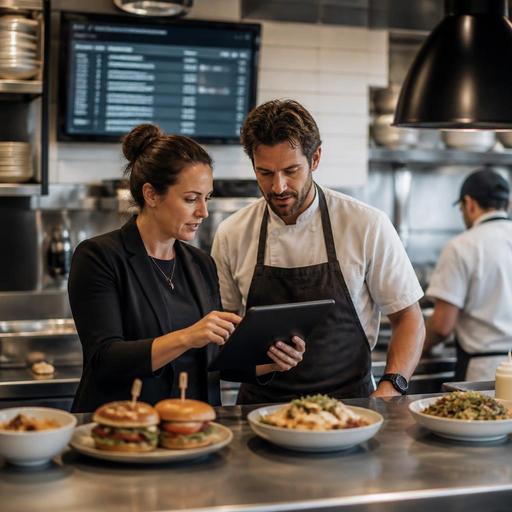
Menu Engineering for U.S. Restaurants: A Practical Way to Cut Food Cost
Menu engineering for U.S. restaurants is one of the most practical ways to control food cost without relying on gut feel. If you run a neighborhood diner, fast-casual counter, bar kitchen, food truck, hotel restaurant, or multi-location brand, the goal is not just to know what sells. It is to understand which items actually support margin, kitchen flow, and repeat business so you can make smarter decisions on pricing, placement, prep, and promotions.
Too many operators look only at plate cost or only at sales volume. That creates blind spots. A burger may be your top seller, but if add-ons are not attached consistently, portioning drifts by shift, and delivery app pricing does not reflect packaging and commission pressure, that item may be working harder in the kitchen than it is working for your bottom line. Menu engineering gives you a clearer operating picture.
Start with contribution, not just popularity
The most useful menu engineering process begins by comparing two things: how often an item sells and how much money it contributes after direct food cost. In practice, that means pulling item-level sales from your POS, matching it with current recipe cost, and reviewing the result by daypart, channel, and location when relevant.
For a U.S. fast-casual bowl concept, this might reveal that a chicken bowl is the most ordered item at lunch, but a steak bowl with fewer modifiers delivers better contribution during dinner. For a sports bar, wings may drive traffic on game day, while shareable appetizers and draft pairings do more to protect margin. For a coffee shop, breakfast sandwiches may look strong in unit sales, but flavored cold brew and pastry bundles may be carrying more profit during the morning rush.
Use a simple review framework:
- High popularity, high contribution: protect these items, keep them visible, and maintain consistency.
- High popularity, low contribution: review portion size, ingredient mix, price, and modifier strategy.
- Low popularity, high contribution: improve placement, naming, photos if used, and server prompts.
- Low popularity, low contribution: consider removal, reformulation, or limited-time use.
This sounds basic, but many operators skip the channel detail that matters in the U.S. An item that performs well for dine-in may fail on takeout because fries steam in the box, or it may disappoint on delivery apps because travel time hurts quality. If you offer direct online ordering, third-party delivery, curbside pickup, and in-house dining, review menu performance by channel instead of treating the whole menu as one thing.
Build recipes that match real kitchen behavior
Menu engineering breaks down when recipe costing lives in a spreadsheet that the line never follows. The practical fix is to standardize recipes in a way that fits actual production. If your buffalo chicken wrap is supposed to use six ounces of chicken but night shift regularly eyeballs eight, your theoretical food cost is fiction.
Start with your top 15 to 25 items by sales. For each one, confirm:
- The recipe reflects what the kitchen actually plates.
- The portion tool exists and is used, such as scoops, ladles, scales, or marked cups.
- Modifiers are mapped correctly in the POS.
- Packaging cost is included for takeout and delivery versions.
- Common substitutions are accounted for operationally.
A food truck operator, for example, may discover that loaded fries look profitable on paper but become less attractive once ramekins, lids, to-go trays, and extra sauce are counted. A hotel restaurant may find that a breakfast buffet add-on sold through room service has a different cost structure than the same item sold in the dining room. A multi-unit salad brand may learn that avocado usage varies enough by location to erase expected margin.
This is where kitchen display workflows and order routing help. When every modifier is clearly pushed to the kitchen display system, the team is less likely to miss an upcharge or overbuild an item. Better item data also improves reordering and inventory visibility, especially for operators trying to catch issues like cheese over-portioning, excessive garnish use, or waste from too many prep-heavy low sellers.
Use pricing and placement carefully in the U.S. market
Raising prices is not the only answer, and it is often not the first one. Smart menu engineering looks at how guests order. In a U.S. full-service restaurant, a slight menu description change, a cleaner category layout, or a better server prompt can improve mix without shocking regulars. In a QSR or fast-casual setting, combo design, add-on defaults, and digital menu placement can matter more than a broad price increase.
Consider a few practical examples:
- A diner moves a profitable turkey club and soup combo into a more visible lunch section and sees stronger weekday check averages.
- A taco shop shifts low-margin protein upgrades into clearer modifier choices on QR ordering and online ordering, reducing missed charges.
- A burger concept keeps the core burger price steady but improves margin through premium cheese, bacon, and side upgrades that are easy for cashiers and guests to select.
- A bar kitchen trims a large appetizer portion slightly, improves plating consistency, and protects guest value with a better dipping sauce presentation.
If you use QR menus or direct online ordering, test how items appear on mobile. The highest-margin item does not help if it is buried under too many clicks. Make sure names are clear, common allergen details are presented consistently, and the flow works for guests using their phones at the table or ordering takeout from the parking lot for curbside pickup. ADA-minded access matters too, so operators should review digital menu usability and verify accessibility expectations with qualified advisors and current official guidance when needed.
For larger chains, menu changes may also connect to FDA menu labeling requirements depending on the operation and how menus are presented. That is an operational reason to coordinate pricing, calorie display processes, and digital menu updates carefully across locations, while confirming current obligations with legal counsel or official guidance.
Engineer for labor, speed, and channel profitability
The best menu on paper can still hurt the business if it slows the line. A sandwich that uses too many touchpoints may not belong on the lunch menu of a busy downtown cafe with heavy pickup shelf volume. A stadium stand or airport concession may need a tighter menu because speed matters as much as plate margin. A brunch restaurant may keep a profitable but labor-heavy special only on slower weekdays rather than Saturday morning rush.
Ask operational questions alongside food cost questions:
- Does this item create bottlenecks at the fryer, grill, or expo station?
- Does it require a skilled cook during shifts where labor is thin?
- Does it travel well for delivery and takeout?
- Does it create refund risk because the guest expectation is inconsistent?
- Can it be prepped in a way that improves labor scheduling and reduces waste?
For U.S. operators, this matters because margin is affected by more than ingredients. Packaging, comps, voids, refunds, third-party marketplace fees, and labor pressure all change the real economics of a menu item. Service charges and tips also flow differently by concept, so reporting should separate menu performance from front-of-house compensation workflows. Operators should coordinate any tip reporting, service charge handling, payroll setup, and sales tax treatment with their accountant, payroll provider, POS partner, and current state or local guidance.
Turn menu reviews into a weekly operating habit
Menu engineering works best when it becomes a routine, not a one-time project. A practical weekly review can be short and focused:
- Pull top and bottom item sales from the POS.
- Review one category each week, such as burgers, bowls, cocktails, or breakfast sandwiches.
- Compare recipe cost to current purchasing reality.
- Check modifier capture, voids, comps, and refund patterns.
- Decide on one action: reprice, rename, reposition, retrain, or remove.
For a three-location pizza group, that may mean spotting one store where extra toppings are not ringing correctly. For a suburban cafe, it may mean moving a profitable seasonal latte to the first screen of the QR menu. For a hotel outlet, it may mean separating banquet menu analysis from a la carte dining so the team does not confuse two very different cost structures.
The point is to stop guessing. When menu decisions are tied to POS data, recipe discipline, digital ordering behavior, and kitchen execution, food cost control becomes far more manageable. Restomas can support that workflow by helping operators connect menus, ordering channels, and service data into one clearer operating picture.
