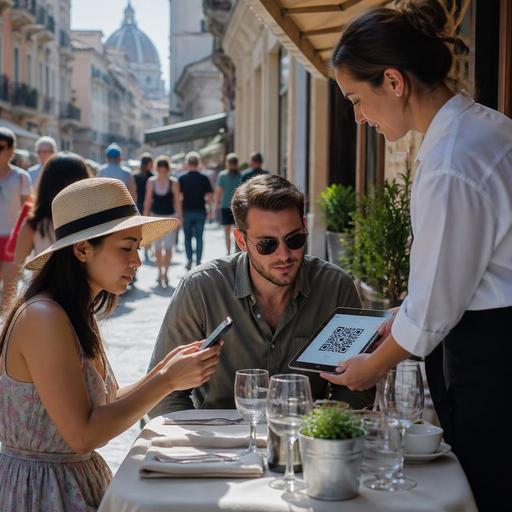
Multi-Currency Menu Strategy for Restaurants in Tourist Districts
A multi-currency menu strategy for restaurants in tourist districts is not just a pricing decision. It is a guest communication system, an operations policy, and a margin-protection tool. In destinations where visitors compare prices quickly and may not understand the local currency, the way you display and manage prices can influence trust, ordering speed, staff workload, and final spend. For restaurants, cafes, and bars serving travelers, the goal is simple: make ordering feel easy for guests without creating pricing confusion behind the scenes.
A practical multi-currency setup should help international visitors understand value at a glance while keeping the restaurant in control of exchange-rate risk, menu consistency, and service flow. This is especially important in beach towns, historic centers, airport zones, ski resorts, and city neighborhoods with heavy tourist traffic, where guests often make fast dining decisions and may hesitate when they cannot interpret prices immediately.
Why multi-currency menus matter in tourist-heavy locations
Tourists typically evaluate a restaurant in seconds. They look at cuisine, photos, reviews, queue length, and price clarity. If a menu shows only a local currency that the guest does not recognize, friction starts early. The guest may open a calculator, ask a server for conversion help, or leave before ordering. None of these outcomes supports a smooth service experience.
By contrast, a clear menu that presents a primary selling currency and helpful secondary currency references can reduce hesitation. For example, a seaside seafood restaurant might list prices in the local currency while showing approximate euro or dollar equivalents for popular dishes. A cafe near a cruise port may use a digital menu that lets guests switch between currencies for easier comparison. In both cases, the restaurant is not just translating numbers. It is reducing uncertainty.
There is also an internal benefit. When guests understand prices before ordering, staff spend less time answering repetitive conversion questions. That gives servers more time for hospitality, recommendations, and upselling. In busy periods, even small reductions in explanation time can improve table turns and reduce pressure on the front-of-house team.
Choose the right pricing model before you design the menu
Many restaurants make the mistake of adding multiple currencies to the menu before deciding how those prices will actually be managed. The better approach is to define the pricing policy first. In practice, most restaurants in tourist areas use one of the following models:
- Single billing currency, reference-only secondary currencies: The menu shows local currency as the official price and displays approximate conversions for convenience.
- Fixed seasonal conversion rates: The restaurant updates secondary currency prices at planned intervals, such as weekly or monthly during the high season.
- Dynamic digital conversion display: A QR menu or digital menu updates secondary prices centrally based on the restaurant's chosen exchange logic.
For most independent restaurants, the first model is the safest. It keeps accounting, POS reporting, and reconciliation simple. The second can work well in stable periods or short seasons. The third is often the most guest-friendly, but only if the restaurant has strong menu management and clear disclaimers about the billing currency.
Before choosing a model, owners should answer a few operational questions:
- In which currency is the guest actually charged?
- How often will exchange references be updated?
- Who is responsible for approving changes?
- How will the same prices stay consistent across dine-in menus, QR menus, reservation pages, and social media highlights?
- What wording will explain approximate conversions without creating disputes at payment time?
If these decisions are not made early, staff end up improvising at the table, which leads to inconsistent answers and reduced guest confidence.
How to structure a multi-currency menu without confusing guests
Good multi-currency menu design is about hierarchy. Guests should immediately understand which price is official and which price is informational. The menu should never make them guess.
A practical structure often looks like this: the local currency appears first and in standard menu emphasis, while the secondary currency appears in lighter formatting or smaller supporting text. For example, a pasta dish can show the official local price prominently, with an approximate euro equivalent beneath it. This keeps legal and accounting clarity while still helping the guest make a quick decision.
Restaurants should also be selective about where secondary currencies appear. Not every number on the menu needs conversion. Focus on the parts of the menu that influence decisions most:
- Signature dishes
- Set menus
- High-value items such as steaks, seafood, or tasting menus
- Popular drinks categories where guests compare quickly
- Family bundles or group offers
Another useful tactic is to add a short note such as All payments are processed in local currency. Secondary currency values are approximate and for guest convenience. This small line can prevent misunderstandings at checkout.
Digital menus are especially useful here because they let restaurants adjust wording, placement, and currency visibility without reprinting. If a restaurant notices that guests from a specific market dominate during one period, it can prioritize the most relevant currency on the digital interface while keeping the official billing structure unchanged.
Protect margins while keeping prices guest-friendly
The biggest risk in multi-currency menus is margin erosion. If exchange rates move and the restaurant does not update its menu references, guests may see a value gap that affects both profitability and trust. That is why price presentation must be tied to a review routine.
Consider a restaurant in a busy old-town square that imports premium ingredients and has frequent cost changes in seafood, meat, or specialty beverages. If it shows fixed foreign-currency prices for too long, it may undercharge relative to current costs or create awkward payment conversations. A smarter approach is to keep the base menu in the operating currency and review reference rates on a schedule. During volatile periods, daily or every few days may be necessary. In calmer periods, weekly review may be enough.
Menu engineering also matters. If some categories are more vulnerable to cost fluctuations, avoid locking them into heavily emphasized secondary prices. For instance, a brunch cafe may keep coffee and pastry conversions visible because they are stable and easy to understand, while showing market-sensitive items in local currency only. A steakhouse might use a digital menu to label certain items as market price while still presenting estimated ranges in another currency where appropriate.
Owners should also review how taxes, service charges, and optional add-ons appear in each currency context. Confusion often starts not with the base dish price, but with extras such as bottled water, sides, premium garnishes, or service fees. If the menu is clear from the start, guests are less likely to feel surprised when the bill arrives.
Train staff and connect menu updates across channels
Even the best menu format fails if the team cannot explain it consistently. Staff training for multi-currency service should be short, practical, and repeatable. Servers do not need a finance lesson. They need clear phrases, escalation rules, and confidence.
What staff should know
- Which currency is the official billing currency
- Whether secondary prices are fixed or approximate
- How to answer common guest questions about exchange differences
- Which manager handles disputes or special payment questions
- How to check the latest menu version on a digital system
A simple script helps. For example: Our menu is billed in local currency, and the euro prices are there to help you compare quickly. That keeps the explanation polite and consistent.
It is equally important to synchronize prices across all guest touchpoints. If the street menu board shows one conversion, the QR menu shows another, and Instagram highlights show an old happy hour price, trust drops immediately. Centralized menu management reduces this risk. When restaurants update one source of truth, they can keep QR menus, table ordering pages, and promotional landing pages aligned more easily.
This is where restaurant digitization becomes practical rather than theoretical. A system that allows fast menu edits, location-specific settings, and clearer item presentation helps operators respond to tourist demand without relying on manual reprints or staff memory. For restaurants managing multiple branches in different visitor zones, this becomes even more valuable because guest mix and preferred currencies may differ by location.
Practical next steps for restaurant owners
If you run a restaurant in a tourist area, start small and improve in stages. You do not need a complex financial model to make your menu easier for international guests.
- Choose one official billing currency and state it clearly.
- Add secondary currencies only where they reduce decision friction.
- Use approximate wording unless you can maintain fixed updates reliably.
- Create a review schedule for exchange-sensitive menu sections.
- Train staff with short scripts for common guest questions.
- Keep dine-in, QR, and promotional menu prices aligned.
- Review guest feedback to see where confusion still happens.
A strong multi-currency menu strategy is really a clarity strategy. When guests understand prices quickly, they order with more confidence, staff work with fewer interruptions, and managers protect margins more effectively. For restaurants in tourist districts, that combination can make the difference between a menu that merely looks international and one that truly supports better service and smoother operations.
Restomas can help restaurants manage digital menus, price updates, and guest-facing ordering flows more consistently across busy tourist locations.