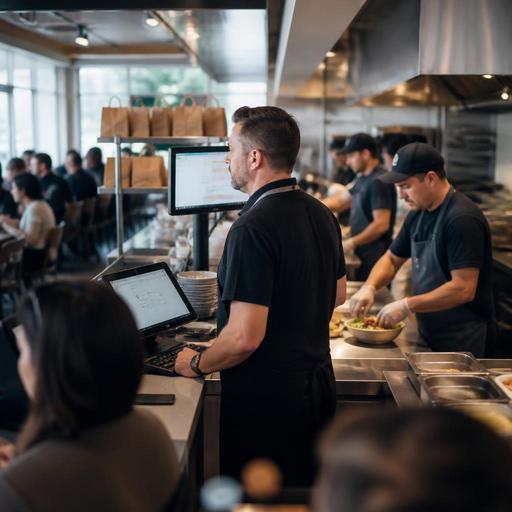
Clearer Order Routing to Reduce Restaurant Staff Burnout
Clearer order routing to reduce restaurant staff burnout is not just a tech project. In U.S. restaurants, it is a daily operations issue that affects ticket accuracy, speed of service, morale, guest complaints, and labor efficiency. When dine-in tickets, delivery app orders, phone takeout, QR orders, and bar tabs all hit the team in inconsistent ways, staff end up translating, re-entering, and chasing information instead of serving guests and cooking food. That constant friction is one of the fastest paths to burnout.
For restaurant owners and operators, the goal is simple: every order should reach the right station, in the right format, at the right time, with as little manual handoff as possible. Whether you run a neighborhood diner, a fast-casual salad shop, a sports bar, a food truck, or a multi-unit burger concept, clearer routing can lower stress without lowering standards.
Why unclear order routing burns out restaurant teams
Burnout often looks like a staffing problem, but the root cause is frequently workflow confusion. A server takes a table order on paper, then keys it into the POS while a bartender asks about modifiers on a separate tab. Meanwhile, a third-party delivery tablet starts beeping, a curbside pickup guest calls from the parking lot, and the expo station is trying to figure out which fries belong to which channel. None of that is unusual in the U.S. market.
Consider a casual grill during Friday dinner. The kitchen is managing dine-in checks, direct website takeout, two delivery apps, and a few large game-night bar orders. If each source prints in a different place or arrives with different naming conventions, line cooks have to interpret tickets instead of producing food. Servers then absorb guest frustration, managers jump in to fix preventable mistakes, and tipped staff lose table time while solving back-of-house issues.
Clearer routing helps reduce the hidden labor of order interpretation. It can also support better pacing, which matters in environments where staff are balancing tables, pickup shelves, and tip-driven service expectations. The same principle applies in hotel restaurants, airport concessions, and stadium venues, where multiple order channels can hit at once and timing windows are tight.
Map every order source before you change any software
Before you add tablets, screens, or integrations, document how orders move today. Many operators skip this step and end up digitizing confusion. Start by listing every order source:
- Dine-in orders entered by servers
- Bar tabs and bar food orders
- Phone takeout
- Direct online ordering from your website
- QR table ordering
- Third-party delivery apps
- Curbside pickup
- Large catering or office lunch orders
- Food truck walk-up orders
- Room service or hotel outlet orders, if applicable
Then ask a few operational questions:
- Where does each order land first: POS, printer, tablet, or handwritten note?
- Who touches it before the kitchen starts making it?
- Which details are often missing, such as modifiers, allergy notes, side choices, fire time, or pickup method?
- Which station gets overloaded first: grill, fry, pantry, bar, or expo?
- How does the team know whether an order is dine-in, takeout, curbside, or delivery?
A Chicago fast-casual bowl shop might discover that direct online orders are clean, but phone orders cause the most remake issues because staff abbreviate ingredients differently during rush periods. A Texas sports bar may find that late-night delivery app orders hit the kitchen without enough prep lead time while bartenders are still handling in-house guests. A food truck in Los Angeles might realize the real bottleneck is not cooking but pickup handoff, because guests and app drivers crowd the same service window.
Build routing rules by station, channel, and urgency
Once you map the flow, create routing rules that match your menu and kitchen reality. The best setup is not always the most complex one. It is the one your team can follow consistently on a busy shift.
Route by production station
Send each item to the station that actually makes it. Grill items should not be buried on a general printer if the fry station and pantry station need separate visibility. A kitchen display system can help split tickets by station while still preserving one order view at expo.
Route by service channel
Dine-in, takeout, delivery, and curbside should be visibly distinct. Color coding, channel labels, or separate screen views can reduce confusion. This matters when packaging needs differ. A burger for table 12 is handled differently from a burger going to a pickup shelf or a sealed delivery bag.
Route by timing
Not every order should fire immediately. For example, a suburban family restaurant may want appetizers to start right away while entrees are held until the server is ready. A direct online order set for 6:30 p.m. pickup should not flood the line at 5:50. Better hold-and-fire rules reduce both panic and waste.
Route exceptions clearly
Modifiers, allergy notes, no-contact pickup instructions, and alcohol-related checks need a consistent workflow. If your operation sells alcohol with food, confirm current state and local requirements for service, pickup, packaging, and age verification with official guidance and qualified advisors. The same applies to service charges, sales tax handling, tip reporting workflows, and labor practices tied to order fulfillment roles.
Practical fixes that reduce burnout fast
You do not need a full rebuild to make progress. Many operators can reduce stress with a few high-impact changes.
- Standardize item names and modifiers. Make sure the POS, online ordering menu, and kitchen display use the same language. If one system says “add bacon” and another says “x bacon,” errors rise fast.
- Separate guest promise times from kitchen fire times. This is especially useful for curbside pickup, catering, and scheduled takeout.
- Create one pickup handoff zone. Use a pickup shelf for appropriate orders and a staffed handoff point for items needing ID checks, temperature control, or final confirmation.
- Limit duplicate data entry. Re-entering app orders into the POS is a burnout generator. Streamlined integrations can reduce that repetitive work.
- Give expo one source of truth. The expo station should not have to compare paper chits, app tablets, and verbal updates during peak service.
- Train opening and closing managers on routing exceptions. When a printer fails or a channel pauses, staff should know the fallback process immediately.
For a New York diner, that may mean routing breakfast delivery orders to a separate make line during the commuter rush. For a Phoenix coffee shop, it may mean distinguishing in-store cafe orders from mobile pickup so baristas do not call out names into a packed lobby with no response. For a multi-location chicken concept, it may mean using the same channel labels and modifier logic across all stores so training is easier and managers can compare performance consistently.
Keep the workflow accessible, measurable, and realistic
Clear order routing should help the whole team, not just the most tech-comfortable employees. Use screen layouts, font sizes, and handheld workflows that staff can read quickly in real conditions. If you use QR ordering, make sure guests still have a practical path to access menus and place orders if they need assistance. ADA-related accessibility expectations can vary by context, so operators should review current requirements and official guidance for their setup.
Also remember that chains and larger operators may need to consider menu labeling workflows and how item data appears across channels. If your brand is subject to FDA menu labeling rules or similar state or local requirements, verify current obligations with qualified advisors and official sources before changing digital menu presentation.
To measure whether routing is actually reducing burnout, track a few simple indicators:
- Remake frequency by order channel
- Average ticket time by station and daypart
- Manager interventions during peak periods
- Missed modifiers and packaging errors
- Staff feedback on stressful handoff points
If those numbers improve and shift leads spend less time firefighting, your routing is getting clearer. If not, the issue may be menu complexity, prep layout, staffing levels, or scheduling rather than technology alone.
Reducing burnout in U.S. restaurants takes more than asking people to work harder. It means designing a calmer path from guest order to kitchen production to final handoff. When routing is clear, servers stay focused on hospitality, cooks stay focused on execution, and managers spend more time leading instead of untangling avoidable mistakes. Restomas can support that kind of operational clarity by connecting ordering, kitchen, and service workflows in one place.
