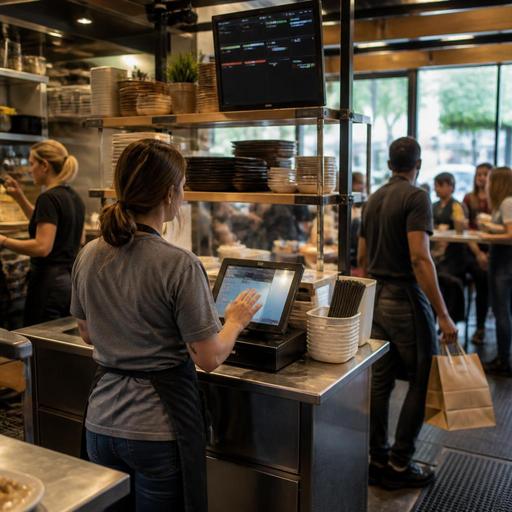
Clear Order Routing for U.S. Restaurants: Reduce Staff Burnout and Service Friction
Clear order routing for U.S. restaurants is not just a tech upgrade. It is an operations decision that can lower daily stress, reduce avoidable mistakes, and help teams stay steady through lunch rushes, Friday night tabs, and late-night takeout spikes. When orders move to the right station, screen, printer, and staff member without repeated verbal follow-up, servers, line cooks, expo, bartenders, and cashiers spend less energy chasing information and more energy serving guests.
In many U.S. restaurants, burnout starts with small breakdowns that repeat all shift long: a delivery app order prints at the wrong station, a curbside pickup ticket never reaches the expo line, a bartender gets food modifiers mixed into drink workflow, or a food truck cashier has to shout every custom request into the window. Over time, those interruptions create tension, longer ticket times, and more rework. Clear routing brings structure to the chaos.
Why order routing problems wear down restaurant teams
Burnout is often discussed as a staffing problem, but operators know workflow design matters just as much. If your team has to translate every order by hand, decide on the fly where it belongs, or keep checking three different tablets and a POS screen, the job gets mentally heavier than it needs to be.
Consider a fast-casual bowl shop in Dallas handling dine-in, direct online ordering, and third-party delivery apps. If all tickets land in one queue without prep timing rules, the hot line gets slammed while the pickup shelf fills with cooling orders. Staff feel like they are always behind, even when sales are strong. Or think about a neighborhood sports bar in Ohio where wings, burgers, and cocktails all hit at once during a game. If bar snacks and full table orders are not separated clearly, the kitchen and bar both lose rhythm.
Common stress points include:
- Orders arriving from too many channels with no unified queue
- Modifiers buried in long tickets instead of routed to the right prep station
- No distinction between dine-in, takeout, curbside pickup, and delivery timing
- Expo or front counter staff acting as human routers all shift
- Managers constantly stepping in to solve preventable ticket confusion
That kind of friction also affects guest experience. A missed side item on a takeout check, an incorrect table fire time, or a delayed airport concession order can quickly turn into refunds, comps, and poor reviews.
Map your order flow before changing tools
Before you adjust your POS, kitchen display system, or QR ordering setup, map the real path of an order from start to finish. Do this for each revenue stream, not just dine-in. Many U.S. operators discover that the biggest issue is not volume but inconsistent handoffs between channels.
Start with these order types
- Dine-in orders entered by servers
- QR table ordering from guests
- Counter service and walk-in takeout
- Direct online pickup orders
- Third-party delivery app orders
- Curbside pickup orders
- Catering or large scheduled orders
For each one, identify who receives it first, where it appears next, how modifiers are shown, who stages it, and who closes the loop with the guest. A Chicago diner may need breakfast tickets routed differently from lunch takeout. A hotel restaurant may need room service, lobby bar, and in-house dining separated by prep priority. A food truck may route fryer items and cold items separately because space is tight and one missed step slows the whole line.
As you map the flow, look for decisions your staff should not have to make manually. If a cashier has to remember whether a milkshake goes to dessert station or front counter, the system is relying on memory instead of process. That is exactly where burnout grows.
Build routing rules that match your kitchen and service model
Once you see the weak points, create routing rules that fit your concept. The goal is not complexity. The goal is clarity. Every order should tell the team what it is, where it goes, and when it should be fired.
Practical routing rules U.S. restaurants can use
- Separate by channel. Dine-in, direct pickup, delivery apps, and curbside should be visible as distinct order types so staff can stage and prioritize correctly.
- Route by station. Burgers to grill, salads to cold prep, cocktails to bar, desserts to finishing, and packaged retail items to front counter.
- Flag timing-sensitive orders. Delivery driver arrival, curbside check-in, and coursed dine-in meals should not sit in the same rhythm as standard counter orders.
- Show modifiers where the work happens. Allergy notes, no-onion requests, sauce on side, or extra sides should appear clearly at the prep station that needs them. Operators should verify local accessibility and allergy communication practices with current official guidance and qualified advisors when needed.
- Create staging ownership. Someone should own the pickup shelf, curbside handoff area, or expo pass during peak periods so finished orders do not become lost orders.
A Phoenix fast-casual taco brand might route app delivery orders into a dedicated make line during dinner, while server-entered patio tabs go to the main line. A New Jersey pizza shop may split whole pies, slices, and third-party orders so ovens, cut stations, and bagging stay coordinated. A stadium concession stand may need a stripped-down menu and high-speed routing because guests care more about speed between innings than broad customization.
Multi-location operators should also standardize naming conventions. If one store uses to go, another uses pickup, and a third uses carryout, reporting and training become harder than necessary. Consistent labels reduce confusion across franchise or regional teams.
Use clearer routing to support labor, tips, and front-of-house focus
Better routing is not only about the kitchen. It can also protect the front of house from constant interruption. When servers are repeatedly asked to check on app orders, confirm bag contents, or hunt for missing tickets, they lose time with guests at the table. That affects hospitality, check averages, and often tip income for tipped staff.
For table-service restaurants, consider how routing affects:
- Server ability to manage sections without acting as order traffic control
- Bartender focus during high-volume tabs and food orders
- Host stand coordination for takeout guests crowding the entrance
- Manager time spent resolving ticket disputes instead of coaching the floor
For counter-service and QSR brands, routing supports labor scheduling too. If lunch pickup orders always spike from 11:45 to 12:30, you may need a dedicated expeditor rather than one more person on register. If breakfast delivery app orders bury your grill station but not your coffee station, staffing should reflect that pattern. Operators should also verify current federal, state, and local rules around tipped roles, service charges, tip reporting, meal breaks, and scheduling practices with qualified advisors because workflow changes can affect how work is assigned.
On the guest side, make pickup and payment steps easy to understand. A clean QR ordering flow, accurate status updates, and a clearly organized pickup shelf reduce the number of guests asking staff where their order is. If you use digital menus or QR-based ordering, keep ADA-minded access in view by offering practical alternatives for guests who prefer or need staff assistance, and verify current accessibility expectations with qualified counsel or official guidance.
A simple 30-day plan to reduce routing-related burnout
You do not need a full rebuild to make progress. Most operators can improve order routing in a month with focused changes.
- Week 1: Audit every order channel and document where confusion happens most often.
- Week 2: Simplify ticket categories, station routing, and modifier visibility in your POS and kitchen display setup.
- Week 3: Test peak-period staging for pickup shelf, curbside handoff, and delivery app bagging.
- Week 4: Review ticket errors, remake patterns, staff feedback, and guest complaints, then adjust.
Ask your team one direct question at the end of each week: Which order handoff wastes the most energy right now? That answer is often more useful than a broad discussion about morale. Burnout drops when staff can trust the system around them.
For U.S. restaurants balancing dine-in, takeout, delivery apps, and direct digital ordering, clearer routing is one of the most practical ways to make shifts feel more manageable. Restomas helps operators bring those channels, menus, and workflows into a more organized daily flow.
