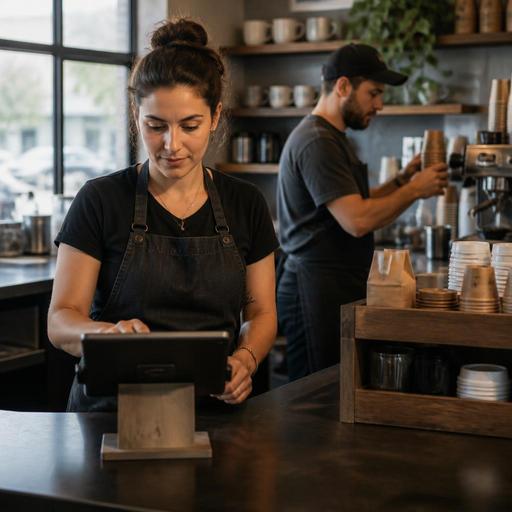
Opening Shift Checklist for U.S. Cafes and Quick-Service Restaurants
Why an opening shift checklist matters in U.S. foodservice
An opening shift checklist for U.S. cafes and quick-service restaurants does more than help the first team member unlock the door. It protects speed of service, reduces avoidable mistakes, and gets the business ready for the realities of American dayparts: commuter coffee rushes, lunch pickup shelves, curbside handoffs, delivery app orders, and card-heavy payments with tips. In a neighborhood coffee shop, one missed step like forgetting to stock lids or reopening the online ordering channel late can slow the whole morning. In a fast-casual salad or sandwich shop, an incomplete line check can create out-of-stocks by 11:30 a.m. even when the dining room looks calm at 10:45.
The best opening checklist is not a generic list taped near the office. It is a workflow tied to your actual operation: who arrives first, which station opens next, what must be verified in the POS, what the kitchen display system should show, and how takeout, dine-in, and delivery all come online together. For operators with multiple locations, consistency matters even more. A guest ordering ahead in suburban Dallas should have the same reliable pickup experience as one visiting your downtown Phoenix store.
Build the checklist around roles, not just tasks
Many opening routines fail because the list is written as one long block of tasks instead of a role-based sequence. In U.S. quick-service operations, the opener at the front counter, the shift lead, the prep cook, and the barista do not start the day in the same order. A better system assigns ownership.
Typical role-based opening structure
- Shift lead or manager: disarm, safety walk, cash drawer workflow, POS login checks, labor schedule confirmation, keyholder review of reservations or large catering orders, and opening the dining room or service windows.
- Front counter or cashier: set up receipt paper, card readers, online ordering tablets if used, pickup shelf labels, condiment station, ADA-minded path of travel, and first guest touchpoints.
- Barista or beverage station: espresso calibration, drip coffee batch timing, ice, milk rotation, tea setup, blender station, cups, lids, and cleaning verification.
- Back-of-house opener: line setup, hot and cold holding checks, prep pull, batch labels, kitchen display system readiness, fryer or griddle startup, and allergy-sensitive station review.
For example, a U.S. cafe with breakfast sandwiches, mobile ordering, and third-party delivery should not wait until doors open to discover the bacon batch is behind, the printer is offline, or oat milk is missing from the POS. Opening should confirm both physical readiness and digital readiness.
What to verify before you unlock the door
A practical opening routine should move from building readiness to product readiness to order-channel readiness. That order helps teams catch issues before guests arrive.
- Walk the space like a guest. Check the parking lot, patio, entrance, restrooms, dining room, and service counter. Make sure walkways are clear, seating is reset, and QR menu access points are easy to reach. If you use QR ordering, provide an accessible alternative for guests who prefer staff assistance or need another format. Operators should verify current ADA-related expectations with qualified advisors or official guidance for their setup.
- Confirm utilities and equipment. Test espresso machines, ovens, hot holding, refrigeration visibility, ice machines, music volume, Wi-Fi, kitchen printers, and kitchen display screens. A food truck team should add generator, propane, water, handwash sink, and service window checks before driving to the site.
- Open the POS and payment stack. Verify menu availability, tax settings, service modes, card readers, digital wallet acceptance, tip prompts where appropriate, and staff permissions. If your concept uses service charges in some situations, keep those workflows clearly separated from voluntary tips and train staff on how the check appears to guests. Operators should verify current federal, state, and local rules on tipping, service charges, reporting, and payroll treatment with their accountant, payroll partner, or legal advisor.
- Bring sales channels online. Open direct online ordering, delivery apps, curbside pickup, and any marketplace integrations in the correct sequence. Confirm estimated prep times, sold-out items, and store hours. A missed marketplace toggle can leave your lunch business invisible for the first hour.
- Stock the first rush. Fill cups, lids, napkins, portion cups, to-go bags, straws where used, sauces, and utensils. Build enough mise en place for the first rush, not just the first few tickets.
- Run a test order. Send one item through the POS to the kitchen display system or printer, confirm modifiers route correctly, and make sure the pickup shelf naming system is working.
Design for real U.S. order channels and service styles
American cafes and QSR teams rarely open for one type of traffic anymore. Your checklist should reflect your actual revenue mix. A college-town coffee shop may need dine-in, app ordering, and delivery ready by 7:00 a.m. A highway-adjacent burger stand may need drive-thru timing, curbside pickup spots, and takeout bag staging before dining room traffic even starts. A hotel breakfast outlet may need room charge workflow checks alongside card payments and grab-and-go display setup.
Here are a few U.S.-specific examples:
- Urban cafe: verify commuter grab-and-go case, espresso station speed, mobile order shelf, and oat milk inventory before 6:30 a.m.
- Fast-casual bowl shop: confirm line pans, digital make line screens, delivery app throttling, and lunch rush staffing by 10:30 a.m.
- Food truck: check generator power, handheld POS battery, QR menu visibility, and backup connectivity before arriving at an office park or brewery event.
- Airport concession or stadium stand: preload high-volume combos, validate limited-time menu buttons, and simplify modifier routing to avoid long lines when traffic surges.
If your brand operates multiple locations, standardize 80 percent of the checklist and localize the rest. A mall unit may need opening coordination with center access rules, while a street-side cafe may need curbside cone placement and sidewalk checks.
Use the checklist to improve labor, training, and accountability
An opening checklist should also be a management tool. When tasks are timestamped and assigned, owners can spot patterns: which station regularly opens late, which items are often out of stock, and whether labor is scheduled realistically for the first rush. This matters in U.S. operations where labor costs, turnover, and training consistency are constant pressure points.
Keep new-hire training simple. Instead of handing a new shift lead a four-page binder, create a short opening flow with clear station photos, par levels, and escalation rules. If the pastry delivery is late, who marks items unavailable in the POS? If the card reader fails, what is the backup plan? If a team member calls out, which opening tasks are non-negotiable and which can wait until after the first wave?
For chain and franchise teams, a digital checklist is usually more reliable than a paper clipboard. It supports version control, multi-location visibility, and easier follow-up. It also connects well with modern restaurant systems such as QR menus, online ordering, POS integrations, kitchen display workflows, and inventory visibility. When your systems talk to each other, opening becomes less about memory and more about verification.
One more note on menu and compliance workflows: if your concept is large enough to fall under menu labeling requirements or other federal, state, or local rules, build the operational checks into your opening process, but verify current obligations with official guidance and qualified advisors. The same applies to labor posters, break rules, alcohol service procedures, and local health department expectations.
How to make your checklist stick every day
The strongest opening checklist is short enough to use and detailed enough to prevent mistakes. Review it weekly with managers, especially after menu changes, POS updates, new delivery channels, or layout changes to the pickup area. Remove steps nobody follows and add steps that solve repeated problems.
A good starting standard is:
- 15-minute manager opening review
- Station-specific tasks by role
- Digital channel verification before open
- One test order before first guest
- Rush-ready stock levels for the first 60 to 90 minutes
- Quick sign-off with notes for maintenance, inventory, or staffing issues
When opening is consistent, the rest of the day usually gets easier. Guests see faster service, staff feel less rushed, and managers spend less time putting out preventable fires. Restomas can help operators bring opening tasks, ordering channels, POS-connected workflows, and service visibility into one more organized daily routine.
