WhatsApp Marketing for Restaurants: Consent, Timing, and Useful Messages
WhatsApp marketing for restaurants can be effective when it feels like service rather than interruption. Guests already use messaging to ask about table availability, opening hours, allergens, delivery status, and menu details. That makes WhatsApp a natural channel for restaurants, but only when permission is clear, message timing is respectful, and every update gives the guest something genuinely useful. Used carelessly, it becomes spam. Used well, it can strengthen trust, reduce phone friction, and support repeat visits.
For restaurant owners, the practical question is not whether to send more messages. It is how to build a permission-based system that helps guests at the right moment. A reservation reminder, a preorder link for a holiday menu, or a notification that a guest’s usual lunch item is back can be welcome. Random bulk promotions sent late at night are not. The difference comes down to consent, relevance, and operational discipline.
Why permission matters before any restaurant WhatsApp campaign
Messaging is more personal than email and more immediate than social media. That is exactly why permission matters so much. If a guest gives you a phone number to confirm a reservation, that does not automatically mean they want weekly promotions. If they message your restaurant to ask whether you have vegan options, that does not mean they want a broadcast every Friday.
A simple rule helps: collect consent for a specific purpose and use the number only for that purpose unless the guest clearly agrees to more. This keeps your communication ethical and also improves results, because your list contains people who actually want to hear from you.
Practical ways to collect consent
- At reservation checkout, offer an optional box for WhatsApp updates about the booking and future restaurant news.
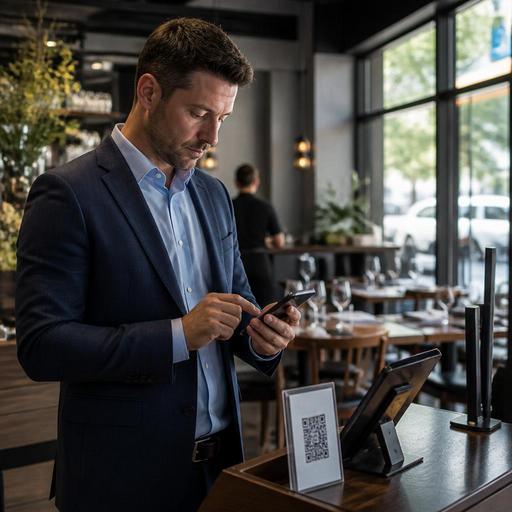
- On a QR menu landing page, invite guests to opt in for menu launches, event notices, or preorder reminders.
- At the cashier or host stand, use a short verbal script: Would you like WhatsApp updates for special dinners and reservation reminders?
- In Instagram stories or bio links, direct followers to a sign-up form that explains what they will receive and how often.
Be specific. Get updates from us is vague. Receive one or two WhatsApp messages per month about tasting menus, holiday preorders, and reservation reminders is much clearer. Clear expectations reduce complaints and unsubscribes.
What restaurants should actually send on WhatsApp
The best restaurant messages are practical, timely, and easy to act on. Think less like a mass advertiser and more like a helpful host. A good message answers a guest question before they need to ask it.
High-value message types
- Reservation confirmations and reminders
These reduce no-shows and help guests feel looked after. Include date, time, party size, and a simple way to confirm or update the booking.
- Preorder windows for busy dates
For Mother’s Day, New Year’s Eve, or iftar menus, WhatsApp can send a direct link to preorder or reserve before peak demand creates phone chaos.
- Limited but relevant menu announcements
A neighborhood cafe can message brunch regulars when seasonal pastries return. A seafood restaurant can notify interested guests about a weekend catch menu. Relevance matters more than frequency.
- Order status updates
For takeaway and delivery, messages like your order is being prepared or ready for pickup in 10 minutes reduce inbound calls and uncertainty.
- Service recovery follow-up
If a guest had a delayed order or booking issue, a thoughtful follow-up message can rebuild trust better than a generic public apology.
What should you avoid? Daily discounts, broad messages to everyone, unclear offers, and anything that forces staff to handle avoidable back-and-forth manually. If a promotion creates confusion at the table or cashier, it is not a good WhatsApp promotion.
How to build an ethical and workable message workflow
Many restaurants fail with messaging not because the idea is bad, but because the workflow is loose. One staff member saves numbers informally, another sends offers from a personal phone, and nobody tracks who opted in or out. That creates risk and inconsistency.
A better approach is to define a small operating system for WhatsApp use.
A simple workflow to implement
- Step 1: Define message categories. Separate transactional messages such as reservation reminders from promotional messages such as event announcements.
- Step 2: Record consent source. Note whether the guest opted in through reservations, a QR menu form, social media, or in-store signup.
- Step 3: Set frequency limits. For many restaurants, one to four promotional messages per month is more than enough, depending on concept and guest expectations.
- Step 4: Assign responsibility. One manager should approve campaigns so tone, timing, and offers stay consistent.
- Step 5: Make opt-out easy. Guests should be able to stop messages without friction.
For example, a bistro running a guest chef night can send one invitation to guests who opted in to event updates, one reminder two days before bookings close, and then stop. A cafe should not send the same event message to guests who only asked for pickup notifications.
This is where restaurant systems matter. If your reservations, digital menu, and order flows are already organized, it becomes easier to connect the right message to the right guest moment. A platform such as Restomas can support that discipline by helping restaurants centralize menu updates, reservation touchpoints, and guest-facing digital journeys instead of leaving communication scattered across paper notes and personal chats.
Timing, tone, and segmentation for better guest response
Even a useful message can fail if it arrives at the wrong time or in the wrong tone. Restaurants should think carefully about when guests are likely to act. A lunch offer sent at mid-morning may be useful. The same message sent late at night may feel intrusive. A weekend family set menu can be announced several days in advance, while a same-day table opening is best shared close enough to booking time to be relevant.
Segment your list in practical ways
- Guests interested in reservations and events
- Takeaway and delivery customers
- Lunch regulars
- Guests with dietary interests such as vegan or gluten-aware menus
- VIP or repeat guests who opted in for early access to special menus
Segmentation does not need to be complex. A steakhouse might separate business lunch guests from weekend family diners because their needs are different. A bakery cafe might create one list for preorder holidays and another for daily pickup customers. The goal is not more data for its own sake. The goal is fewer irrelevant messages.
Tone matters too. Keep messages human, direct, and short. Avoid exaggerated urgency unless it is real. Instead of writing Hurry!!! Best deal ever!!!, try Our Sunday brunch reservations are now open, and you can book here. Calm clarity usually performs better for hospitality brands because it matches the experience guests want from the restaurant itself.
Common mistakes and a practical 30-day starting plan
The most common mistake is treating WhatsApp like a loud advertising channel. It works better as a relationship channel tied to service. Another mistake is ignoring operations. If guests click through to an outdated menu, a sold-out item, or a reservation flow that is hard to complete, the message creates frustration instead of revenue.
Common mistakes to avoid
- Sending promotions without clear consent
- Using one list for every type of guest
- Messaging too frequently
- Linking to outdated menus or unclear booking pages
- Making staff handle campaigns manually without a simple process
A practical first 30 days
- Week 1: Decide your approved use cases, such as reservation reminders, event announcements, and pickup updates.
- Week 2: Add clear opt-in language to reservations, QR menu pages, and social profiles.
- Week 3: Create three reusable templates: reservation confirmation, special event invite, and preorder reminder.
- Week 4: Start with one segment only, measure guest replies and staff workload, and refine before expanding.
If you keep WhatsApp messaging permission-based, operationally clean, and genuinely helpful, it can become one of the most practical communication tools in your restaurant. And if your digital menu, reservations, and ordering experience are already connected, every message has a better chance of leading to a smooth guest journey. Restomas can help restaurants bring those guest touchpoints into one clearer digital flow.
