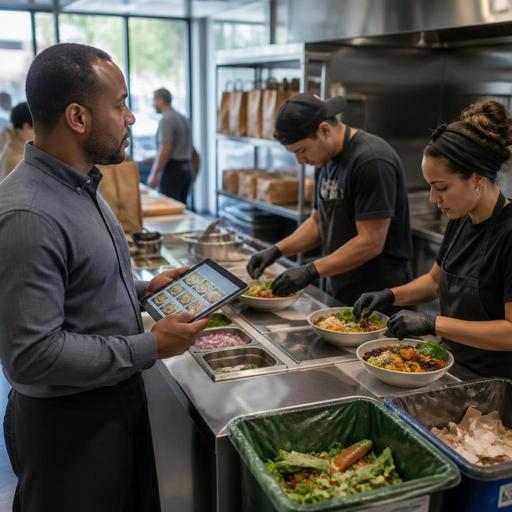
Sustainable Restaurant Operations in the U.S.: Waste, Sourcing, and Digital Menus
Sustainable restaurant operations in the U.S. are no longer just a branding idea. For many operators, they are part of daily cost control, menu engineering, prep planning, and guest communication. Whether you run a neighborhood diner, a fast-casual salad concept, a hotel restaurant, a food truck, or a multi-location QSR brand, the real question is simple: how do you reduce waste, buy more intentionally, and communicate those choices without creating friction at the POS, in the kitchen, or at the table?
The strongest sustainability workflows are practical, not performative. They help your team move faster, protect margin, and make it easier for guests to understand what they are ordering. Digital menus, QR ordering, inventory visibility, and kitchen display workflows can support that effort when they are tied to real operating decisions instead of vague promises.
Start with waste where it actually happens
Most restaurant waste is not one big problem. It is a series of small breakdowns across ordering, prep, line execution, and guest demand. A coffee shop in Seattle may throw out pastries because par levels are too high for weekdays. A sports bar in Texas may over-prep garnishes before a slow game night. A food truck in Los Angeles may lose margin when proteins are portioned inconsistently during a lunch rush. A hotel breakfast buffet may overproduce because the kitchen lacks a reliable forecast tied to occupancy and reservations.
Before changing vendors or redesigning packaging, map the waste points in your current workflow:
- Receiving waste: damaged produce, short shelf life, inconsistent pack sizes, or over-ordering.
- Prep waste: poor yields, over-trimming, batch sizes that do not match actual sales patterns, or duplicate prep across shifts.
- Service waste: dead tickets, remakes, abandoned online orders, and sides or modifiers guests did not want.
- Post-service waste: unsold bakery items, buffet leftovers, and ingredients that expire before the next order cycle.
A useful first step is to create a simple daily waste log by category, station, and reason. Do not make it complicated. If your grill station keeps wasting avocado because demand spikes only on weekends, that is actionable. If your airport concession regularly tosses packaged grab-and-go items after evening flights are delayed or canceled, that points to a forecasting issue, not just a purchasing issue.
Pair the waste log with POS sales data and kitchen display timing. When operators can compare what was sold, what was prepped, and what was discarded, they can tighten pars without guessing.
Build sourcing rules that fit your concept and service model
Sourcing decisions become sustainable when they are repeatable, not when they rely on last-minute heroics from the chef or GM. A farm-to-table bistro in Vermont, a suburban breakfast chain in Ohio, and a stadium concession stand in Arizona all face different realities. The goal is not to source everything locally at all times. The goal is to define sourcing priorities that fit your menu, price point, and operational complexity.
For example, a full-service restaurant may choose to prioritize seasonal produce for a few high-visibility menu items while keeping core pantry items stable for cost control. A fast-casual bowl concept may standardize proteins from a small set of approved suppliers to improve consistency across locations. A bar with a strong cocktail program may reduce waste by sourcing fewer fresh garnishes and designing drinks around ingredients that cross-utilize with the kitchen.
Consider building supplier decisions around these questions:
- Which items have the highest spoilage risk?
- Which ingredients appear across multiple menu items and dayparts?
- Which products create guest trust when sourced more transparently?
- Which substitutions can be made without slowing line speed or retraining the whole staff?
For a multi-location burger brand, this may mean keeping the main menu highly standardized while testing regional produce in limited-time offers. For an independent cafe, it may mean reducing the number of milk alternatives or bakery SKUs so ordering is tighter and waste is easier to track.
If you make sourcing claims on menus or marketing, verify wording carefully and confirm current federal, state, and local rules where needed. If your operation is subject to menu labeling requirements or accessibility expectations, review current official guidance and work with qualified advisors before rolling out new disclosures or claims.
Use digital menus to reduce waste and improve guest decisions
Digital menus are one of the most practical sustainability tools because they let operators adjust availability, descriptions, and upsells in real time. That matters in U.S. restaurant settings where demand can swing quickly due to weather, delivery app volume, events, commute patterns, or labor shortages.
A QR menu at a fast-casual lunch spot can hide sold-out soups before guests reach the cashier. A diner can mark a pie flavor as unavailable before the dinner rush starts. A food truck can switch from one side item to another without crossing out boards by hand. A hotel pool bar can simplify the menu during a short-staffed afternoon shift to reduce ticket complexity and waste.
Digital menus also help when you want to guide guests toward items that use ingredients efficiently. For example:
- Feature a soup, grain bowl, or lunch special that uses proteins already prepped for another station.
- Promote add-ons that improve check average while using inventory you need to move.
- Temporarily remove low-selling modifiers that create prep waste and slow service.
- Highlight portion choices clearly so guests can order what fits their appetite instead of leaving excessive plate waste.
For U.S. operators, the best setup connects menu changes to ordering channels. If your direct online ordering menu, QR menu, POS, and kitchen display system do not stay aligned, staff end up explaining unavailable items, issuing refunds, and remaking tickets. That creates extra food waste and labor waste at the same time.
Keep accessibility in mind as well. QR ordering should not be the only path to the menu. Maintain an ADA-minded approach with staff support and alternative access options that fit your service model, and verify local expectations where needed.
Train the team around sustainable execution, not slogans
Sustainability breaks down when it lives only in management meetings. Your line cooks, cashiers, servers, bartenders, and shift leads need procedures they can actually follow during a rush. In many U.S. restaurants, that means writing workflows that support speed, tipping, takeout accuracy, and guest recovery.
For example, if a server is expected to explain a changing seasonal menu, the table-side script should be short and clear. If a cashier at a takeout counter is pushing guests toward reusable packaging options or no-utensil requests, the POS prompts should be simple. If a curbside pickup team is handling direct orders and delivery app tablets at once, packaging decisions need to be standardized so they do not slow handoff times.
Focus training on a few behaviors:
- Portion consistently to reduce plate waste and food cost variance.
- Check modifiers carefully to avoid remakes.
- Use first-in, first-out storage routines that match real prep flow.
- Flag low inventory early so managers can update digital menus before service problems spread.
- Recommend substitutions that protect the guest experience when an item is 86'd.
For tipped service teams, make sure any changes in packaging, service charges, or ordering flow are explained operationally and reviewed with your payroll, tax, and legal advisors as needed. Rules around tips, service charges, reporting, and wage practices can vary, so operators should verify current requirements before changing workflows.
Create a weekly sustainability review that ties into sales and labor
The most effective restaurant sustainability plans are reviewed weekly, not once a year. This does not need to be a long meeting. A 20-minute review can be enough if you look at the right signals.
Review these items each week:
- Top wasted ingredients by dollar impact and by volume.
- Items frequently comped, remade, or refunded.
- Menu items with low sales but high prep complexity.
- Online ordering items that create packaging cost or pickup shelf confusion.
- Delivery marketplace items that travel poorly and lead to waste or guest complaints.
- Labor-heavy menu items that may not justify their footprint.
A suburban family restaurant might discover that one side dish creates too much prep and too many leftovers on weekdays. A downtown salad shop may learn that a popular delivery item wilts too quickly and drives remakes. A stadium stand may find that a simplified event-day menu reduces both line time and unsold inventory.
Once you identify the pattern, act quickly. Update the QR menu. Adjust prep pars. Change the pickup packaging. Retrain one station. Limit an item to dine-in only. Move a special to weekends. Small changes compound fast.
Sustainability in U.S. restaurants works best when it is embedded in menu control, sourcing discipline, service design, and digital operations. If your team can see waste clearly, adjust menus quickly, and keep POS, kitchen, and ordering channels aligned, sustainability becomes a practical operating advantage instead of a vague goal.
Restomas can help restaurants connect digital menus, ordering workflows, and operational visibility so sustainability changes are easier to execute day to day.
