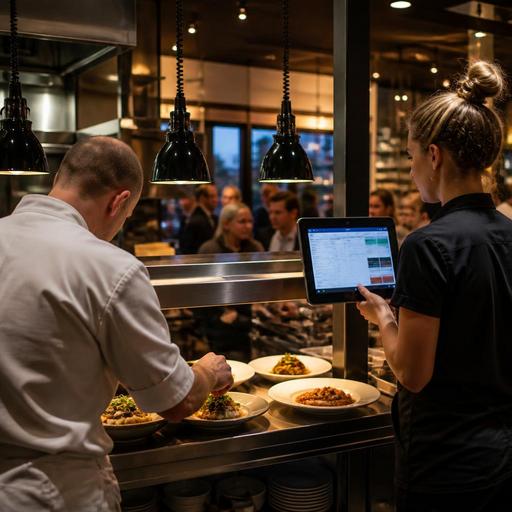
Digitizing Chef-to-Runner Communication to Reduce Verbal Order Mistakes
Digitizing chef-to-runner communication is one of the most practical ways to reduce avoidable service errors during busy restaurant shifts. In many restaurants, the handoff between the kitchen and the floor still depends on shouted calls, memory, paper tickets, or last-second clarifications. That may feel fast in the moment, but it often creates missed modifiers, wrong table drops, cold food, and frustrated staff. A digital handoff process gives chefs, expediters, and runners one shared source of truth so orders move from pass to table with less confusion.
This matters because the chef-to-runner moment is where kitchen accuracy meets guest experience. A dish can be cooked correctly and still reach the wrong guest, arrive incomplete, or be delayed because the runner did not hear a call clearly. In a loud dining room, verbal systems break down easily. The goal of digitization is not to remove human communication. It is to support it with clear, visible, time-stamped information that reduces preventable mistakes.
Why verbal handoffs fail under pressure
Verbal communication works best when volume is low, teams are stable, and the menu is simple. Most restaurants operate in the opposite conditions. During lunch rushes, dinner peaks, or delivery surges, verbal calls compete with ambient noise, equipment sounds, guest conversations, and multiple staff requests at once. Even strong teams can mishear details.
Common problems include:
- Runners hearing the wrong table or seat number
- Modifiers not being repeated clearly, such as no cheese, sauce on the side, or allergy note
- Partial orders being run before the full table is ready
- Food sitting in the pass because no one realizes it is waiting
- Repeated back-and-forth questions that slow both kitchen and floor teams
Consider a practical example. A chef calls, “Burger no onion, extra pickles, table twelve.” A runner hears “table two,” grabs the plate, and drops it at the wrong table. The correct guest waits longer, the wrong table is interrupted, and the kitchen may need to re-fire or re-plate. The issue was not cooking skill. It was handoff clarity.
Now imagine the same scenario with a digital display visible at the pass or on a runner screen: item name, modifiers, table number, seat reference, and status. The runner confirms the details visually before leaving the kitchen. The chef does not need to repeat the same information multiple times. This is where small process changes create real operational gains.
What a digital chef-to-runner workflow should include
A useful digital handoff process should be simple enough for a busy shift and structured enough to prevent ambiguity. The best systems do not overload staff with extra steps. They replace weak points in the old workflow with clear signals.
1. A single live order view
Chefs, expediters, and runners should reference the same live order information. If the kitchen uses one ticket view and the floor relies on memory or verbal updates, mistakes multiply. A shared digital order view helps everyone see what is ready, what is delayed, and what belongs together.
2. Clear modifiers and special notes
Modifiers must be easy to spot at a glance. Allergy notes, removed ingredients, add-ons, and course timing should not be buried in tiny text or passed verbally only. If a guest asked for dressing on the side, that instruction should follow the dish all the way to the handoff point.
3. Ready-status and pickup cues
Runners need a clear signal for when an order is actually ready to leave the pass. A digital status such as preparing, ready, or picked up reduces duplicate pickups and confusion around partial plates.
4. Table and seat accuracy
For full-service restaurants, table numbers alone are not always enough. Seat references are especially useful for larger groups, tasting menus, or allergy-sensitive service. The more specific the handoff information, the less guesswork runners need to do at the table.
5. Exception handling
Restaurants also need a process for exceptions: re-fires, VIP timing requests, missing side dishes, or split delivery between dine-in and takeout stations. A digital workflow should make unusual cases visible rather than leaving them to hallway conversations.
How to implement the change without disrupting service
Restaurant owners often delay digitization because they assume it requires a full operational reset. In practice, this kind of change works best when introduced in a narrow, focused way. Start with the handoff point that causes the most friction.
- Map the current handoff. Watch one busy shift and document how dishes move from kitchen to guest. Note where staff repeat themselves, where plates wait, and where mistakes happen.
- Choose one service period to pilot. Lunch service or weekday dinner is often easier than a weekend rush for early testing.
- Standardize order labels. Decide how table numbers, seats, modifiers, and readiness statuses will appear. Consistency matters more than complexity.
- Train runners and chefs together. This is not only a kitchen tool or a floor tool. Both sides need to understand the same workflow and language.
- Review errors after each shift. Look for patterns: wrong table drops, missing modifiers, delays at the pass, or runner idle time caused by unclear pickup signals.
A good rollout question is simple: What information does a runner need to deliver the right dish to the right guest without asking anyone? If the system does not answer that clearly, refine it.
For example, a cafe with brunch traffic may start by digitizing only dine-in food handoffs while keeping drinks on the existing bar process. A full-service restaurant may begin with allergy-tagged orders and large-party tables, where verbal mistakes are most costly. Incremental changes are often more sustainable than trying to redesign every station at once.
Operational benefits beyond fewer order errors
The obvious benefit of digitizing chef-to-runner communication is fewer verbal mistakes, but the impact goes further. When handoffs are clearer, service becomes easier to manage across the entire shift.
First, kitchens spend less time repeating information. That helps chefs stay focused on production instead of acting as a constant announcement system. Second, runners make fewer unnecessary trips back to the pass for clarification. Third, managers gain better visibility into where delays are happening: in preparation, at plating, or during pickup.
There is also a guest-facing benefit. Guests may never see the handoff system, but they notice its results. They notice when food arrives together, when modifications are respected, and when staff appear coordinated. A smooth handoff protects confidence in the restaurant, especially for guests with dietary restrictions or time-sensitive dining needs.
Digitized handoffs also support staff training. New runners do not need to depend entirely on overhearing kitchen shorthand or memorizing each chef’s calling style. A visible process shortens the learning curve and creates more consistency between shifts.
Where Restomas fits into a practical restaurant workflow
Restaurants that already use digital menus, order management, or integrated front-of-house workflows are in a strong position to improve chef-to-runner communication. When order details are captured clearly at the source, they can flow more reliably through the rest of the operation. That includes modifiers from QR menu ordering, table-linked requests, and real-time status tracking that supports smoother kitchen-to-floor coordination.
This is where platforms like Restomas can contribute naturally. Instead of treating the menu, ordering process, and service handoff as separate systems, restaurants can connect them into one clearer workflow. If the original order is structured well, the handoff becomes easier to digitize and easier for staff to trust.
The most important step is not buying more technology for its own sake. It is designing a workflow that removes ambiguity at the exact moment when mistakes usually happen. For many restaurants, that moment is the chef-to-runner handoff.
Final takeaway: if your team still relies heavily on shouted calls at the pass, start by digitizing the information runners need most: item identity, modifiers, table or seat location, and ready status. Small improvements there can protect speed, accuracy, and guest experience across the whole service.
Restomas helps restaurants connect digital menus and order flow in ways that support clearer service communication from order entry to table delivery.
