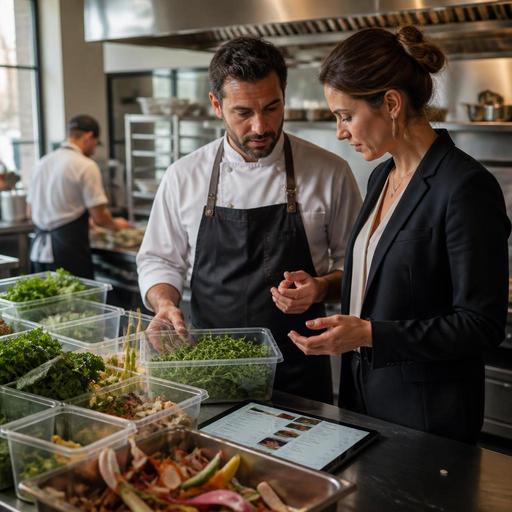
Zero-Waste Restaurant Plan: What to Do in Your First 90 Days
A zero-waste restaurant plan can feel overwhelming at first, especially when margins are tight and the team is already busy. The good news is that the first 90 days do not need to be about perfection. They should be about building visibility, changing a few daily habits, and creating a system that reduces waste without slowing service. For restaurant owners and operators, a practical zero-waste journey starts with better menu decisions, tighter prep routines, clearer staff responsibilities, and simple digital tools that make waste easier to track and prevent.
Start with a 30-day waste baseline
Before changing suppliers or redesigning the entire menu, spend the first month learning where waste actually happens. In many restaurants, waste is spread across several small failures: over-ordering produce, prepping too much for slow shifts, trimming ingredients inconsistently, forgetting items in storage, or keeping low-selling menu items for too long. If you do not see these patterns clearly, you will struggle to fix them.
Create a simple daily waste log and separate waste into a few useful categories: spoilage, overproduction, plate waste, and prep waste. This does not need to be complicated. For example, if a cafe throws away pastries at the end of the day, that is overproduction. If herbs turn yellow in the walk-in before they are used, that is spoilage. If guests often leave the same side dish untouched, that is plate waste. If one cook peels vegetables more aggressively than another, that is prep waste.
Managers should review this log at the end of each week and connect it to sales patterns. A digital menu and order history can help here because they make it easier to see which items sell consistently, which items are seasonal, and which ingredients are purchased for dishes that barely move. If a menu item requires a specialty ingredient that is also used nowhere else, it deserves close attention.
- Track what is discarded, not just what is purchased.
- Review waste by menu item, ingredient, station, and daypart.
- Look for repeated causes instead of one-time mistakes.
- Use sales data to compare prep volume against actual demand.
Days 31 to 60: simplify the menu and tighten purchasing
Once you have a baseline, the next step is to reduce complexity. Zero-waste operations are usually built on menus that are intentional, not oversized. A large menu often looks attractive on paper, but in practice it creates more storage pressure, more partial ingredient usage, and more opportunities for spoilage.
Start by identifying low-performing dishes that create disproportionate waste. For example, a bistro may offer a salad that uses a special cheese, one herb, and one dressing not shared with any other item. If that salad sells occasionally, the kitchen may keep buying ingredients that expire before they are fully used. Removing that dish or redesigning it around ingredients already used elsewhere can cut waste quickly.
Cross-utilization is one of the most practical zero-waste strategies. Roasted vegetables from dinner service might become a lunch grain bowl component. Citrus used for juice can also support house-made syrups, dressings, or marinades. Herb stems that are too tough for garnish may still work in stocks or infused oils. The goal is not to force creativity for its own sake, but to make sure each purchase has more than one path to revenue.
Purchasing should also become more disciplined during this phase. Instead of ordering by habit, order from recent sales and realistic prep forecasts. If weekend brunch drives avocado demand but weekdays do not, build different pars by day. If rain regularly reduces patio traffic, account for that in fresh prep. Digital order management and menu availability tools can support this process by helping teams update sold-out items quickly and avoid preparing more than needed.
- Cut or redesign items with unique ingredients and weak sales.
- Group menu items around shared core ingredients.
- Set day-specific pars instead of one fixed weekly assumption.
- Update menu availability in real time to prevent unnecessary prep.
Days 61 to 75: build prep, storage, and staff routines that stick
Waste reduction fails when it depends on one motivated chef or one careful manager. By the third phase, the focus should shift from ideas to repeatable routines. The kitchen needs clear prep standards, storage rules, and communication habits that survive busy shifts and staff turnover.
Start with prep sheets. If the team prepares too much rice, too many sauces, or too many sliced garnishes, revise prep targets using the first 60 days of sales and waste observations. Prep should reflect actual demand windows, not optimistic assumptions. In some restaurants, a second smaller prep wave later in the day reduces waste more effectively than one large batch in the morning.
Storage discipline matters just as much. Labeling, dating, and first-in-first-out rotation are basic practices, but they often break down under pressure. Consider assigning one person per shift to verify key high-risk items such as leafy greens, dairy, seafood, and cut fruit. A five-minute check can prevent a much larger loss later. Front-of-house staff should also be involved. Servers often know which side dishes come back untouched or which portions guests find too large.
Training should stay practical. Instead of broad sustainability speeches, teach specific behaviors: how to trim consistently, how to store herbs properly, when to mark an item low in stock, and how to report recurring guest leftovers. Better staff communication, supported by digital order flows and menu updates, reduces the disconnect between the kitchen, service team, and management.
- Create smaller, more frequent prep schedules for fragile items.
- Standardize trimming and portioning across all shifts.
- Assign storage checks to named team members.
- Ask servers to report repeated plate-waste patterns.
Days 76 to 90: involve guests without turning sustainability into a lecture
By the final stretch of the first 90 days, your restaurant should have enough internal discipline to start communicating the effort externally. Guests increasingly appreciate sustainable practices, but they respond best when the message is clear, useful, and connected to their dining experience.
That might mean adjusting menu descriptions to highlight seasonal ingredients, offering flexible side choices that reduce unwanted plate waste, or using a digital menu to tell short sourcing and preparation stories. For example, if a soup changes based on surplus vegetables from the week, explain that simply and confidently. If a bakery sells end-of-day bundles, present them as a smart fresh-value option rather than a discount bin.
Guest communication should also reduce confusion. If portion sizes are generous, say so. If a dish includes the whole vegetable in different forms, make that part of the culinary identity. If takeaway packaging choices matter, train staff to ask only when needed rather than handing out extras automatically. Small service decisions can support a zero-waste strategy without feeling restrictive.
This is also a good time to review reservations, expected covers, and event demand more carefully. Better forecasting reduces both overproduction and stockouts. A restaurant that can align bookings, menu availability, and prep levels will waste less while delivering a smoother guest experience.
What success looks like after the first 90 days
A successful start to a zero-waste journey does not mean producing no waste at all. It means your restaurant understands its waste patterns, has removed obvious menu inefficiencies, and has built stronger daily habits around ordering, prep, storage, and service. It also means the team sees waste reduction as an operational discipline, not a side project.
After 90 days, review three questions. First, which ingredients still create the most avoidable loss? Second, which menu items support both profitability and lower waste through shared usage? Third, where does communication still break down between purchasing, kitchen prep, service, and guest demand? The answers will shape your next quarter far better than generic sustainability goals.
Restaurants that make progress in this area usually do the basics well and repeat them consistently. They use menu data to guide prep, update item availability quickly, train staff on specific actions, and communicate clearly with guests. Sustainability becomes practical when it is built into daily operations.
If your team is working toward a more sustainable restaurant, Restomas can support the process with digital menus, order flow visibility, and operational tools that help reduce avoidable waste while keeping service clear and efficient.
