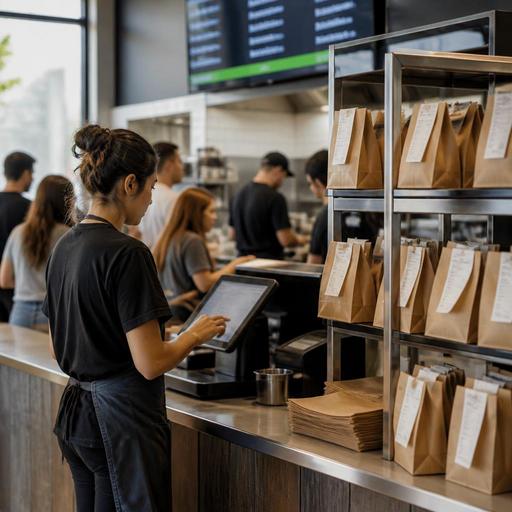
DoorDash vs Uber Eats vs Direct Ordering for U.S. Restaurants
Why this comparison matters for U.S. operators
DoorDash vs Uber Eats vs direct ordering for U.S. restaurants is not just a marketing question. It is an operations question that affects margin, kitchen speed, guest data, pickup flow, staff workload, refunds, and repeat business. A neighborhood pizza shop in Chicago, a fast-casual bowl concept in Phoenix, and a hotel restaurant handling takeout in Orlando may all use delivery apps, but the best workflow for each can look very different.
Most U.S. operators do not need to choose only one channel. The practical goal is to decide which orders belong on third-party marketplaces and which orders should move toward direct online ordering over time. Delivery apps can help with discovery and off-premise volume, while direct ordering can improve control over menu presentation, modifiers, guest communication, and the handoff experience at the pickup shelf or curbside pickup lane.
Your mix should be based on how your kitchen runs, what your POS stack supports, how often orders need modification, and whether your team can handle order throttling during peak periods. If your concept relies on heavy customization, family meals, alcohol add-ons where permitted, or scheduled office catering, direct workflows often deserve more attention. If your biggest challenge is visibility in a competitive urban market, marketplaces may still play an important role.
How DoorDash and Uber Eats differ in day-to-day restaurant workflow
From the restaurant side, DoorDash and Uber Eats often feel similar because both can send orders through a tablet, integrate with some POS systems, and bring in guests who were not planning to visit your website. The difference usually shows up in execution details rather than broad category labels.
Marketplace orders can add reach, but they add another operating layer
For a Dallas burger shop running lunch rush from 11:30 a.m. to 1:30 p.m., every extra tablet alert matters. If app orders do not flow cleanly into the POS and kitchen display system, staff may re-enter tickets manually, increasing mistakes. A missed modifier on a burger, forgotten ranch cup, or delayed driver pickup can turn into a refund request and a bad rating even when the food was prepared correctly.
Operators should compare these workflow points channel by channel:
- POS integration: Does the order inject directly into the POS, and do modifiers map correctly?
- Kitchen display flow: Does the ticket appear on the right prep station with clear timing?
- Order throttling: Can you pause or limit orders when dine-in and takeout volume spike?
- Menu sync: Can 86 items, pricing, and dayparts stay aligned across channels?
- Pickup handoff: Can staff identify the right bag fast at the pickup shelf or driver station?
- Refund and dispute handling: Is the process manageable for managers during service?
A sports bar near a suburban mall may keep wings and burgers on delivery apps but remove draft-beer bundles or highly time-sensitive fried items from some channels. A food truck parked at an office park may prefer direct pickup windows during lunch because driver arrival timing is harder to control in a short service burst.
Guest ownership is different on third-party channels
When a guest orders through a marketplace, the platform usually controls much of the customer relationship. That can limit your ability to build repeat traffic through your own loyalty, reorder prompts, or post-visit messaging. By contrast, direct ordering can help a cafe in Seattle or a salad chain in Atlanta guide guests toward house channels for recurring weekday lunch orders.
This does not mean marketplaces are bad. It means operators should be intentional. Use them where discovery matters, but avoid letting them become the only digital front door to your business.
When direct online ordering works better
Direct ordering often works best when your restaurant already has some brand demand, repeat local traffic, or operational complexity that benefits from tighter control. A New Jersey pizzeria with strong neighborhood recognition may use delivery apps for reach but push regulars toward direct ordering for Friday family bundles, half-and-half pies, and scheduled pickup. A fast-casual Mediterranean brand with several locations may want direct ordering because menu changes, modifier logic, and store-level availability need to stay consistent.
Direct ordering can be especially useful in these U.S. scenarios:
- High-frequency repeat guests: Coffee shops, lunch spots, and neighborhood takeout restaurants can reduce friction for regulars.
- Complex customization: Bowls, salads, sushi rolls, pizza, and allergy-sensitive modifications are easier to structure carefully.
- Multi-location routing: Guests can be directed to the correct store with cleaner pickup timing.
- Curbside pickup and scheduled pickup: Direct workflows can give clearer arrival instructions and handoff steps.
- Owned promotions: You can feature combo meals, limited-time specials, and upsells without depending on marketplace placement.
Direct ordering also gives operators more control over ADA-minded access choices such as readable menu structure, clear modifier labels, and simple mobile checkout patterns. Accessibility expectations can vary depending on the tool and context, so operators should review their digital ordering experience with qualified advisors or current official guidance when needed.
How to choose the right channel mix by restaurant type
The right answer depends on concept, labor model, and service style.
Fast-casual and QSR
A five-unit chicken bowl brand may keep both DoorDash and Uber Eats live for discovery while steering repeat guests to direct ordering through QR ordering on tables, receipts, and pickup packaging. The store team needs one source of truth for item availability, prep times, and modifier rules. If the POS, kitchen display system, and online menu are not synchronized, peak-hour chaos follows quickly.
Full-service restaurants and diners
A diner in Ohio may use delivery apps only for breakfast and lunch takeout, while keeping dinner focused on dine-in and direct pickup. Full-service operators should also think through tipped staff workflows. If servers answer phones, package takeout, or manage curbside handoff, managers should understand how those duties fit into staffing, tip reporting awareness, service charges versus tips, and checkout procedures. These topics vary by jurisdiction and setup, so confirm current requirements with payroll, labor, or tax advisors.
Food trucks, hotel restaurants, and venues
A food truck may favor direct pre-orders with timed pickup to avoid crowding at the window. A hotel restaurant may need direct ordering that connects with room-charge or front-desk workflows. Airport concessions and stadium venues often need fast handoff zones, clear packaging labels, and strict prep timing. In these environments, direct digital ordering may reduce line pressure, but marketplace visibility may still help travelers or event guests discover the concept.
Practical steps to compare channels without guessing
Do not evaluate channels only by top-line order count. Compare them by operational fit.
- Map each order path: From guest tap to POS, kitchen, expo, bagging, pickup shelf, and refund handling.
- Review contribution by menu category: Burgers, pizza, salads, family meals, desserts, and beverages may perform differently by channel.
- Check error points: Look for missing modifiers, delayed driver pickups, and duplicate tickets.
- Separate pickup from delivery: Direct pickup may be stronger than direct delivery for some concepts.
- Audit menu parity: Keep pricing, item names, photos, and 86 status consistent where appropriate.
- Test guest communication: Pickup instructions, curbside arrival steps, and order-ready messages should be simple.
- Measure labor friction: Count how much manager and cashier time goes to tablet monitoring, bagging, and issue resolution.
For larger chains, FDA menu labeling context, alcohol rules, taxes, and local fee disclosures may affect how menus appear across channels. Sales tax and service charge treatment can also differ from tips operationally. Because these areas change by state, city, and business model, use current official guidance and qualified advisors before changing settings or checkout language.
The strongest strategy for many U.S. restaurants is not apps versus direct ordering. It is building a deliberate channel mix: use marketplaces for discovery, use direct ordering for repeat behavior and control, and make sure your POS, kitchen display, menu sync, and pickup workflow support both without confusing staff or guests. Restomas can help operators organize those digital ordering, menu, and workflow pieces in one cleaner system.
