Restaurant Waste Analysis by Category: A Practical Action Plan
Restaurant waste analysis by category gives operators a more useful view of loss than a single weekly waste total. When waste is grouped into categories such as spoilage, prep trim, overproduction, returned dishes, expired stock, and plate waste, the real causes become easier to see and fix. For restaurant owners and managers, this approach turns waste from a frustrating cost into an operational signal that can improve menu decisions, purchasing, prep routines, and guest satisfaction.
Many teams already know they have waste, but they track it too broadly. A note like threw away vegetables does not tell you whether the problem came from poor forecasting, oversized prep batches, inconsistent knife work, low-selling menu items, or a delivery issue. Category-based analysis creates a clearer path from observation to action.
Why category-based waste tracking works better than one total number
A single waste figure can show that money is being lost, but it rarely shows where to intervene first. If one restaurant throws away cooked rice at the end of lunch service and another discards unopened dairy products after their use-by date, both have waste, but the corrective action is completely different.
Breaking waste into categories helps managers answer practical questions:
- Spoilage: Are ingredients expiring before use because purchasing is too aggressive or storage rotation is weak?
- Prep loss: Are trimming and portioning methods inconsistent across shifts?
- Overproduction: Is the kitchen preparing too much of a popular item without checking actual service pace?
- Plate waste: Are guests leaving side dishes, sauces, or portion sizes unfinished?
- Order errors and returns: Are remakes coming from unclear tickets, modifier confusion, or rushed handoff between front and back of house?
This structure also prevents teams from blaming the wrong part of the operation. For example, high chicken waste may look like a purchasing issue, but the real cause may be menu engineering. If one chicken dish sells steadily while another sells rarely but requires the same marinated prep, the menu mix is creating waste.
Build a waste log that leads directly to decisions
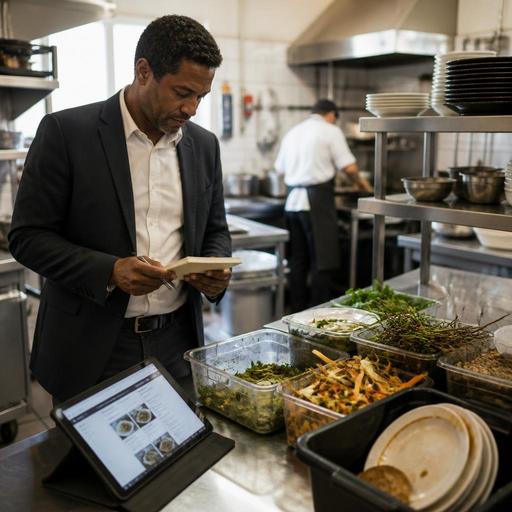
The best waste logs are simple enough for staff to use during a busy shift and detailed enough for managers to act on later. A practical log should capture the item, quantity, category, shift, station, and reason. If possible, add whether the loss was avoidable or unavoidable. This helps separate normal trim from preventable mistakes.
For example, instead of recording tomatoes wasted, a stronger entry would be 3 kg tomatoes, spoilage, cold station, evening shift, overordered before slow weekday service. That level of detail points to a forecast adjustment. Another entry like 2 burger patties, return/remake, grill station, lunch, wrong temperature points to training or ticket communication.
A useful weekly review process often includes:
- Group losses by category rather than by ingredient alone.
- Identify the top recurring items in each category.
- Compare waste patterns by daypart, shift, and station.
- Connect waste to menu sales, prep sheets, and ordering habits.
- Choose one or two corrective actions for the coming week.
Digital systems can make this much easier. When menus, orders, modifiers, sales patterns, and item availability are already organized in one workflow, managers can review category losses with better context. A platform like Restomas can support that visibility by helping operators keep menus updated, manage ordering flows, and reduce confusion between what is offered, what is available, and what the kitchen can realistically execute.
What each waste category is really telling you
Spoilage and expired stock
This category usually points to forecasting, purchasing, storage discipline, or menu dependency. If herbs, dairy, seafood, or bakery items expire frequently, check whether they are tied to too few dishes or bought in pack sizes that do not match your actual volume. Consider whether a slow-moving ingredient can be cross-used in another menu item, special, or beverage garnish.
A cafe, for instance, may find that one pastry cream filling expires regularly because it supports only one dessert that sells mainly on weekends. The action may not be to order less alone. It may be to redesign the dessert, reduce production days, or create a weekday special that uses the same component.
Prep trim and production loss
Not all trim is bad, but large differences between cooks or shifts usually reveal a training opportunity. If one prep cook gets far less usable yield from salmon, onions, or bell peppers than another, standardization matters more than purchasing pressure. Photo guides, portion tools, and station demos can reduce this category quickly.
This category can also reveal equipment issues. Dull knives, inaccurate slicers, or poor storage containers often increase damage and shrink usable shelf life.
Overproduction
Overproduction is common in buffet operations, lunch rush prep, soup batches, rice, fries, sauces, and bakery items. Teams often overproduce to avoid running out, but repeated overproduction shows where production timing is too static. Instead of one large batch, use smaller batch cycles tied to real-time sales pace where possible.
If Friday dinner regularly supports a full tray of roasted vegetables but Tuesday lunch does not, the prep sheet should reflect that difference. Waste analysis is most valuable when it changes prep behavior, not just reporting.
Plate waste and guest behavior
Plate waste is often ignored because it feels subjective, but it can expose menu design problems. If guests consistently leave a side salad, a heavy garnish, or a large starch portion, the issue may be portion balance rather than food quality. If a spicy sauce is frequently untouched, the menu description may be misleading.
Front-of-house feedback matters here. Servers often know whether guests found a dish too large, too salty, too rich, or different from expectations. When that feedback is matched with plate waste notes, menu adjustments become more confident.
Order errors and remakes
This category is especially expensive because it combines food loss, labor disruption, and slower service. Common causes include modifier confusion, unclear allergy notes, duplicate firing, and verbal communication gaps. Tight order management, cleaner ticket structure, and accurate digital menus reduce these errors. If guests can see clear descriptions and options before ordering, the chance of mismatch drops.
Turn waste findings into weekly operational changes
The biggest mistake in waste analysis is collecting information without changing routines. Each category should trigger a defined response. Keep actions small, measurable, and tied to owners.
- If spoilage is high: reduce order frequency, tighten first-in first-out checks, and cross-use vulnerable ingredients.
- If prep loss is high: standardize yield targets, retrain on knife skills, and review tool condition.
- If overproduction is high: change batch sizes by daypart and align prep sheets with real sales history.
- If plate waste is high: test smaller default portions, improve menu wording, or offer side choices.
- If remakes are high: simplify modifiers, improve ticket clarity, and review common handoff failures.
One practical approach is to assign one category owner per week. The kitchen manager may focus on overproduction, the sous chef on prep loss, and the floor manager on plate waste feedback. This keeps the process active without overwhelming the team.
Waste analysis also supports better menu management. If a dish causes repeated spoilage because it relies on niche ingredients, or repeated remakes because guests misunderstand it, the menu may need to be rewritten, repositioned, or removed. A digital menu makes those changes easier to implement quickly without waiting for a full reprint cycle.
Make waste analysis part of daily restaurant management
Waste control works best when it is built into normal operations instead of treated as a separate audit project. Review the previous day’s losses during pre-shift, flag at-risk ingredients before service, and connect waste notes to ordering and prep plans. Over time, teams become better at spotting patterns before they become expensive habits.
The goal is not zero waste in an unrealistic sense. The goal is to understand which losses are normal, which are preventable, and which require a menu, training, or system change. Category-based waste analysis creates that distinction. It helps restaurant owners move from vague frustration to focused action, with better margins and a more consistent guest experience as the result.
If your team is improving menu updates, order flow, and operational visibility, Restomas can support a more organized path from waste insight to daily action.