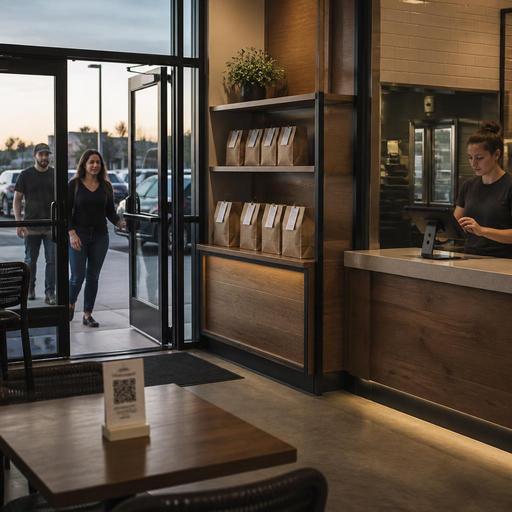
How to Choose a U.S. Restaurant Location for Menu Fit and Pickup Demand
Choosing a U.S. restaurant location for menu fit and pickup demand is not just a real estate decision. It is an operating model decision that affects labor, off-premise sales, check flow, kitchen layout, delivery app performance, curbside pickup, and how well your concept stands out against local competition. A breakfast cafe, a fast-casual salad shop, a sports bar, and a taco truck can all succeed on the same side of town for completely different reasons. The key is to match the site to the way your menu actually sells.
Start with menu mix, not just rent and traffic
Many operators begin with average rent, car counts, or a broker package. Those matter, but your menu mix should lead the process. Ask a simple question: Where will this menu be easiest to produce, easiest to sell, and most likely to repeat?
A neighborhood diner serving pancakes, omelets, burgers, and pie depends on different demand patterns than a downtown lunch concept built around grain bowls and online pickup. The diner may need morning parking, weekend family traffic, and strong dine-in visibility from the road. The bowl concept may do better near offices, medical buildings, or college-adjacent housing where guests want quick ordering, a pickup shelf, and easy app-based takeout.
Before touring sites, break your menu into operating categories:
- Dine-in driven: steaks, full-service brunch, date-night Italian, chef-led tasting formats
- Pickup friendly: sandwiches, pizza, wings, bowls, coffee, bakery items, boba, burritos
- Delivery sensitive: fries, fried seafood, plated desserts, items that lose texture or temperature fast
- High-speed QSR: tacos, burgers, chicken tenders, smoothies, slice pizza
- Venue-dependent: hotel breakfast, airport grab-and-go, stadium concessions, food hall stalls
This exercise helps you avoid a common mistake: leasing a beautiful space that fights your menu every day. For example, a ramen shop with heavy delivery demand may struggle in a site with poor short-term parking, no safe driver stopping area, and a cramped expo line. A suburban family restaurant may struggle in a high-rent downtown corridor if average checks and table turns do not support the occupancy cost.
Map pickup demand and off-premise behavior in the trade area
In many U.S. markets, guests do not think of takeout as an extra channel anymore. It is part of the core business. That means location selection should include how guests will order, arrive, wait, and leave with food.
Look at the trade area during actual meal periods, not just at noon on a broker tour. Visit on a Tuesday lunch, Friday dinner, Saturday morning, and a rainy evening. Watch how people move. Are they walking from offices? Driving from suburban neighborhoods? Stacking up in rideshare lanes? Waiting in a lobby? Looking for curbside pickup spots?
For example:
- A fast-casual chicken concept in a suburban power center may benefit from visible parking, simple right-in/right-out access, and room for a pickup shelf near the entrance.
- An urban coffee shop may care more about commuter foot traffic, fast mobile order handoff, and a line layout that does not block guests picking up drip coffee.
- A food truck operator scouting a semi-permanent lunch site should compare office density, event traffic, commissary travel time, and whether the menu holds well during short rushes.
- A hotel restaurant may need a location inside the property that serves both overnight guests and local takeout without confusing the flow between lobby, bar, and host stand.
Also think about your channel mix. If you expect a large share of orders from delivery apps, the site needs clean handoff procedures and kitchen timing discipline. If you want to push direct online ordering to reduce marketplace dependence, the site should make pickup friction low enough that guests will choose you directly next time.
Operationally, this is where digital tools matter. A QR menu, direct ordering flow, integrated POS stack, and kitchen display system can make a smaller footprint work better, but they cannot fully fix a site with bad ingress, weak parking, or no practical pickup zone.
Study local competition by occasion, not just cuisine
Operators often count competitors by cuisine: three pizza places, two sushi spots, one burger place. That is too shallow. Guests choose by occasion as much as by food. Your real competition may be any business solving the same meal moment.
If you run a fast-casual Mediterranean brand near a hospital, your competition may include a supermarket hot bar, a salad chain, a cafe inside a medical office building, and a sandwich shop with strong online ordering. If you open a sports bar near a suburban movie theater, your competition may include casual dining chains, brewery taprooms, and even convenience stores selling packaged beer and prepared snacks for game night at home.
Create a practical competition review:
- List nearby operators by occasion: breakfast, office lunch, family dinner, late night, game day, convenience pickup.
- Check channel strength: dine-in, drive-thru, curbside pickup, delivery apps, direct online ordering.
- Review operational signals: line speed, parking ease, pickup shelf setup, menu clarity, wait times, and check average positioning.
- Identify gaps: maybe the area has plenty of burgers but weak healthy lunch options, or many coffee shops but no strong breakfast sandwich operator with fast pickup.
A useful example is a suburban strip center with two national pizza brands, a sandwich chain, and a busy wing shop. A new entrant may still win if it offers family meal bundles, cleaner pickup flow, better order accuracy, and strong direct ordering for school-night dinner. Competitive advantage often comes from execution, not novelty alone.
Test the site like an operator before you sign
Once a site looks promising, walk it as if service has already started. Stand at the front door and imagine the lunch rush. Where does the line form? Where does the third-party driver wait? Where do guests on separate tabs stand if they are joining friends at the bar? Can a server move between tables without colliding with takeout traffic? Is there room for ADA-minded paths of travel and readable digital access options? Operators should verify current accessibility requirements and local building rules with qualified professionals and official guidance, but the workflow should be considered early, not after build-out begins.
Then test the back-of-house logic. Can your prep, hot line, expo, and dish flow support the site’s likely sales mix? A compact airport concession may need a tighter menu than a street-level cafe because storage and labor flexibility are limited. A stadium venue may thrive on high-speed items with short cook times and simple modifiers. A multi-location brand should compare whether the site can support the same station map, POS setup, and kitchen display workflow used elsewhere, or whether it will become an operational outlier.
Do not ignore financial mechanics tied to the location model. Full-service restaurants need clean check handling, tipping workflows, and table turns. Counter-service concepts need fast payment, clear sales tax presentation, and easy receipt flow. Some operators add service charges or automatic gratuity in certain service models, but how those are disclosed and handled can vary by jurisdiction and business type. Treat these as operational planning topics and verify current requirements with your accountant, attorney, payroll provider, and official state or local guidance.
If you are a chain or growing brand, also consider menu labeling workflows where applicable, alcohol service boundaries, labor scheduling realities, and local permit timing. The exact rules differ, so use your advisors, but choose a site that makes compliance easier rather than harder.
Make the final decision with a location scorecard
To avoid choosing based on emotion, build a scorecard and rate each site consistently. Keep it simple enough that your team will actually use it.
- Menu fit: Can this space produce and sell the core menu well?
- Pickup access: Is takeout easy for guests and delivery drivers?
- Traffic quality: Does the site match your dayparts and guest habits?
- Competition by occasion: Can you clearly win a meal moment?
- Labor practicality: Can staffing, scheduling, and training work here?
- Technology fit: Will POS, QR ordering, kitchen display, and direct ordering support the model?
- Brand visibility: Will guests notice and remember the location?
- Operational risk: Parking, delivery congestion, storage limits, difficult layout, or landlord restrictions
The best U.S. restaurant location is rarely the one with the most traffic on paper. It is the one where your menu, service style, pickup demand, and competitive position work together every day. A smart site makes ordering smoother, labor more predictable, and repeat business easier to earn. Restomas helps operators support that kind of location strategy with tools for digital menus, direct ordering, POS-connected workflows, and smoother pickup operations.