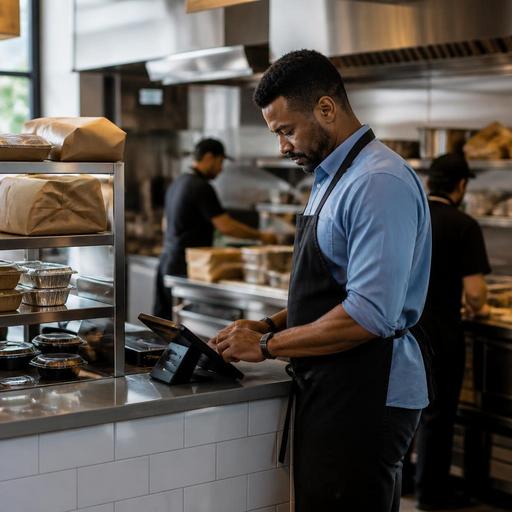
Menu Engineering for U.S. Restaurants: Control Food Cost Without Guesswork
Menu engineering for U.S. restaurants is one of the most practical ways to control food cost without guessing. Instead of reacting to shrinking margins at the end of the month, operators can use item-level sales, recipe costs, menu placement, and ordering behavior to decide what stays, what gets repriced, and what needs a better sales push. Whether you run a neighborhood diner, a fast-casual salad shop, a food truck, or a multi-location burger brand, menu engineering helps turn your menu into an operating tool rather than a static list of dishes.
In the U.S., this matters because restaurant costs move fast. Distributor pricing changes, delivery app commissions, packaging for takeout, and labor pressure can all affect contribution margin. A plate that looks popular may not actually help your bottom line, while a lower-volume item may quietly be one of your best profit builders. The goal is not to cut your menu blindly. The goal is to make informed decisions using the data already flowing through your POS, kitchen display system, direct online ordering, and QR menu channels.
Start with contribution margin, not just food cost percentage
Many operators focus first on food cost percentage, but menu engineering works better when you also look at contribution margin, meaning the dollars left after the direct food cost of an item is covered. Two items can have similar food cost percentages and still contribute very differently to profit.
For example, imagine a casual American bistro in Chicago selling a grilled salmon entree and a roasted half chicken. The salmon may have a higher menu price, but if seafood costs fluctuate and portion control is inconsistent, the actual margin may be weaker than expected. The chicken may look less exciting on paper, yet deliver more reliable profit per check because the recipe is stable and the sides are easier to prep in volume.
For a practical review, build a simple item worksheet from your POS and recipes:
- Menu item name
- Units sold over a set period
- Menu price
- Standard recipe cost
- Contribution margin per item
- Modifiers or add-ons commonly attached
- Dine-in, takeout, delivery app, and direct online ordering mix
This channel mix matters in the U.S. because an item that performs well in the dining room may travel poorly for takeout or lose margin on third-party delivery after packaging and marketplace fees. A Nashville hot chicken sandwich might be a winner on your pickup shelf and curbside pickup program, while loaded fries may suffer in transit and create remakes or refunds.
Classify items by popularity and profitability
Once you know item margin and sales volume, group your menu items into practical categories. Operators often use a four-box approach:
- High popularity, high profitability: protect these stars and feature them prominently.
- High popularity, low profitability: adjust portioning, pricing, or add-on strategy.
- Low popularity, high profitability: improve visibility and server recommendations.
- Low popularity, low profitability: consider removing, simplifying, or seasonal rotation.
A Texas breakfast cafe might find that its breakfast tacos are highly popular but less profitable once rising egg and avocado costs are factored in. That does not automatically mean removing them. It may mean tightening portion specs, offering paid add-ons, or bundling them with coffee in a combo that raises the average check. Meanwhile, a shrimp and grits plate may be profitable but under-ordered because it is buried low on the menu or described too vaguely.
For bars and full-service restaurants, apply the same thinking to beverage menus. A house margarita may drive volume, but premium tequila upgrades, mezcal variations, or snack pairings may improve margin without making the guest feel pushed. If your bartenders and servers rely on tabs and handheld POS devices, make sure modifiers and upsells are easy to ring in consistently.
Use menu design and digital ordering to guide better choices
Menu engineering is not only about pricing. It is also about what guests notice first and how easy it is to order profitable items. In U.S. restaurants, this applies across printed menus, QR menus, self-order flows, and direct online ordering pages.
Start with placement. Put strong-margin signatures where the eye naturally lands first. Use concise descriptions that explain value without sounding inflated. If your fast-casual bowl concept in Denver wants to sell more steak bowls with profitable add-ons, the ordering flow should make those choices clear at the counter, on QR ordering, and online.
Here are practical ways to improve menu performance:
- Move high-margin signature items into top visual positions.
- Rename vague items so guests quickly understand them.
- Use appetizing but accurate descriptions.
- Limit clutter from low-selling items that distract from better choices.
- Structure modifiers so profitable add-ons are easy to select.
- Separate items that travel well for takeout from items that do not.
For example, a food truck in Austin may discover that build-your-own options slow the line at lunch and create ticket errors. Simplifying to a few engineered combos can speed throughput, improve kitchen display workflow, and protect margin. A hotel restaurant may create separate breakfast, room service, and lobby bar menus because guest intent and check expectations differ by channel.
If you operate in a chain or multi-location environment, keep your digital menu governance tight. Price updates, item availability, and recipe changes should flow consistently across locations and channels. If your concept is large enough to fall under federal menu labeling rules, or if you operate in states or cities with additional posting requirements, verify current guidance before changing menu displays. Accessibility also matters: QR menus and online ordering should be ADA-minded in structure and readability, and operators should confirm current requirements with qualified advisors.
Review pricing with operations in mind, not emotion
Many U.S. operators delay price changes because they worry guests will notice immediately. But guessing is riskier than reviewing pricing calmly and systematically. The key is to look beyond the sticker price and consider portions, waste, prep complexity, and channel-specific costs.
Take a suburban pizza shop with dine-in, direct delivery, and third-party delivery app sales. A specialty pizza may be profitable for in-house orders but less attractive on marketplace orders once packaging, promotions, and commissions are considered. Instead of a blanket increase on everything, the operator might:
- Raise selected delivery app prices where permitted by marketplace terms
- Promote direct online ordering for repeat guests
- Reduce unnecessary toppings on a low-margin specialty pie
- Create a pickup bundle designed for families
For full-service operators, also think about service model effects. A labor-intensive dish that slows ticket times on a busy Friday can create hidden cost through table turns and kitchen strain. A stadium concession stand, airport counter, or QSR unit often benefits more from a short, high-speed menu than from variety that drags down throughput.
When reviewing prices, keep service charges, tips, and sales tax presentation clear in your systems and guest communication. Rules vary by state and locality, and the operational setup for tipped staff, auto gratuity, or service charges can affect reporting and guest experience. Verify current local requirements with your accountant, payroll provider, POS partner, or legal advisor.
Build a repeatable menu engineering routine
The most effective operators do not treat menu engineering as a one-time spreadsheet project. They make it a repeatable operating rhythm. A monthly or quarterly review is usually more useful than waiting for a crisis.
Use this simple operating cadence
- Pull item sales by channel from your POS.
- Update recipe costs with current vendor pricing.
- Review waste, comps, voids, and modifier patterns.
- Identify stars, weak-margin volume items, hidden profit items, and likely removals.
- Test changes in menu placement, descriptions, or bundles.
- Train servers, cashiers, and shift leads on what to recommend.
- Measure the result over the next review period.
A diner in Ohio might learn that pie slices sell best when offered verbally at the end of the meal, while a fast-casual chain may discover that digital combo prompts lift beverage attachment without slowing the line. A bar near a stadium might engineer a pregame menu with fewer SKUs and faster prep, then switch back after the rush. These are not dramatic reinventions. They are disciplined adjustments based on real operating behavior.
The best part is that menu engineering becomes easier when your menu, ordering channels, and item data are connected. When operators can see what sells, where it sells, and what it earns, they can stop guessing and start managing food cost with confidence. Restomas helps restaurants organize digital menus, ordering flows, and operational visibility so those decisions are easier to act on.
