How U.S. Restaurants Should Structure Digital Menus for Vegan, Halal, Gluten-Free, and Allergy-Aware Ordering
A well-built digital menu structure for vegan, halal, gluten-free, and allergy-aware ordering can help U.S. restaurants reduce guest confusion, speed up ordering, and lower avoidable back-and-forth at the counter or table. For operators, the goal is not just adding labels. It is creating a menu flow that helps guests understand what fits their needs on a phone, QR menu, kiosk, or direct online ordering page without slowing down service or creating false confidence.
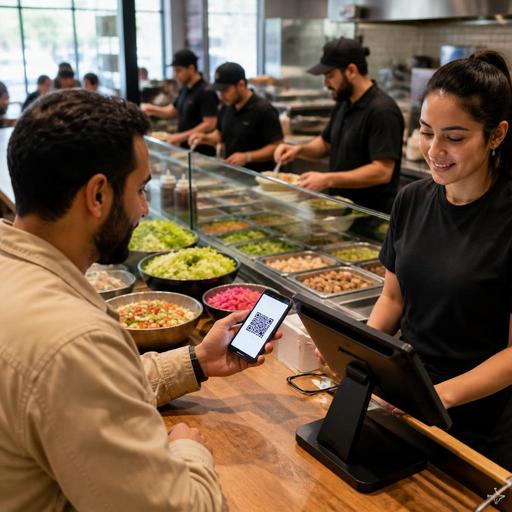
That matters in many U.S. formats: a fast-casual bowl concept handling lunch rushes, a neighborhood cafe with oat milk and gluten-free pastries, a food truck taking pickup orders from a QR code, or a multi-location Mediterranean brand balancing halal sourcing claims with local substitutions. The menu has to work for guests, servers, kitchen teams, and managers at the same time.
Start with clear category architecture, not just item tags
Many operators begin by adding icons next to menu items. That helps, but it is not enough when guests are scanning quickly on a small screen. The stronger approach is to structure the menu so dietary needs are visible at the category level first, then confirmed at the item level.
For example, a U.S. fast-casual salad and grain bowl restaurant might separate its digital menu into categories such as Build Your Bowl, Vegan Favorites, Gluten-Conscious Choices, Kids Meals, and Sides and Drinks. A halal burger concept could use categories like Halal Burgers, Chicken Sandwiches, Shareables, and Plant-Based Options, while still labeling each item with preparation details and modification choices.
Good menu architecture should answer three guest questions fast:
- Where should I start?
- Which items probably fit my needs?
- What must I verify before I place the order?
If a guest has to open six item detail pages to figure out whether a wrap contains dairy or whether fries share fryer oil with breaded items, the structure is not doing its job.
Use labels carefully and define what they mean operationally
Terms like vegan, halal, gluten-free, and allergy-friendly are useful only when they reflect actual kitchen workflows. In U.S. restaurant operations, the biggest risk is not that a label is missing. It is that a label appears simple while the real preparation process is more complicated.
A practical digital menu should distinguish between broad guest-facing filters and more specific item notes. For example:
- Vegan: no meat, dairy, eggs, or other animal-derived ingredients based on the restaurant's recipe standard
- Halal: identify items made with halal-certified or halal-sourced proteins if that is how your operation is set up, and avoid broad claims if sourcing varies by location
- Gluten-free: use only if the recipe and preparation process support that claim in your operation
- Contains: milk, egg, wheat, soy, sesame, tree nuts, peanuts, shellfish, or other ingredients your team tracks
- Prepared in a shared kitchen or fryer: when cross-contact may matter to the guest
A bakery cafe in Chicago, for instance, may offer a gluten-free brownie from a dedicated supplier but prepare it in a shared service area. A Nashville hot chicken restaurant may offer a cauliflower sandwich labeled vegan only if the breading, sauce, bun, and prep method all match that standard. A New York halal cart or food truck may need to clarify whether all meats are halal or only certain proteins are.
Because ingredient, sourcing, and preparation standards can have legal and local compliance implications, operators should verify current federal, state, and local requirements, plus any certification or advertising rules, with qualified advisors and official guidance.
Build modification paths that kitchen teams can actually execute
Digital menus often fail when the front-end promises customization that the line cannot deliver during a rush. The better system is to offer a limited number of high-confidence modifications tied to actual prep workflows.
For a U.S. counter-service concept, that might mean:
- Base item appears with default ingredients
- Guest selects protein or plant-based substitute
- Guest chooses bun, bread, tortilla, or bowl base
- Guest sees allergen and dietary notes update clearly
- Kitchen receives structured modifiers on the POS and kitchen display system
Consider a burrito shop with direct online ordering. If a guest chooses a gluten-free bowl, the menu should automatically remove flour tortilla options from that path and present clean alternatives. If a guest selects vegan, dairy-based sauces should not remain preselected. If a guest orders for curbside pickup, those modifications should print or display in a way the expo team can read instantly.
This matters even more for high-volume environments like airport concessions, stadium stands, hotel lobby restaurants, and college-area fast-casual stores where staff turnover can be high and order mix changes quickly between dine-in, takeout, and delivery apps.
Design for QR menus, online ordering, and accessibility together
In the U.S., digital menu structure should work across several channels at once: QR ordering at the table, a host stand ordering link, a pickup shelf workflow, and direct web ordering for takeout. Operators should avoid building one version for dine-in and another confusing version for off-premise guests.
Focus on practical usability:
- Short category names that are easy to scan on a phone
- Plain ingredient language instead of only chef terminology
- Consistent modifier order across all items
- Visible allergen notes before checkout, not hidden after payment
- Readable contrast and simple navigation for ADA-minded access and broader guest usability
A brunch spot in Austin might use QR menus for dine-in but still rely on servers to answer ingredient questions. In that case, the menu should support the server, not replace them. A sports bar with QR reordering may need a cleaner structure for wings, sauces, and allergen notes so guests do not keep flagging down staff during the game. A suburban family restaurant offering curbside pickup should make it easy for parents to identify dairy-free kids options before they reach the payment screen.
If your restaurant is part of a chain or has multiple locations, keep in mind that menu labeling, accessibility expectations, and disclosure practices may be affected by federal, state, or local rules. Operators should confirm current requirements, including any FDA menu labeling context for larger chains, with qualified advisors or official sources.
Create a maintenance routine for menu accuracy across locations
The hardest part of an allergy-aware or diet-specific digital menu is not launch day. It is keeping the information accurate when vendors change, seasonal LTOs arrive, and one location swaps ingredients because of shortages.
Set up a repeatable process:
- Assign one owner for menu data accuracy
- Review recipes, packaged ingredients, and sauces before publishing updates
- Sync changes across POS, QR menus, direct online ordering, and delivery marketplaces where possible
- Remove unavailable modifiers immediately rather than letting staff explain them after the check is opened or the order is fired
- Train servers, cashiers, and expo staff on what the labels mean and what they do not mean
For example, a three-location cafe group in California may carry the same vegan breakfast sandwich at all stores, but one location may use a different bread supplier for a week. If the digital menu is not updated, the guest experience breaks down fast. The same issue appears in franchise systems, hotel food service, and food truck fleets that rotate menus by event.
A strong digital menu is really an operations tool. It helps guests self-select faster, reduces repeated questions at the register, gives kitchen teams cleaner tickets, and supports more confident ordering on delivery apps and direct channels. Platforms like Restomas can help operators manage QR menus, ordering flows, modifiers, and multi-location consistency, but the real win comes from building a menu structure your team can maintain every day.
