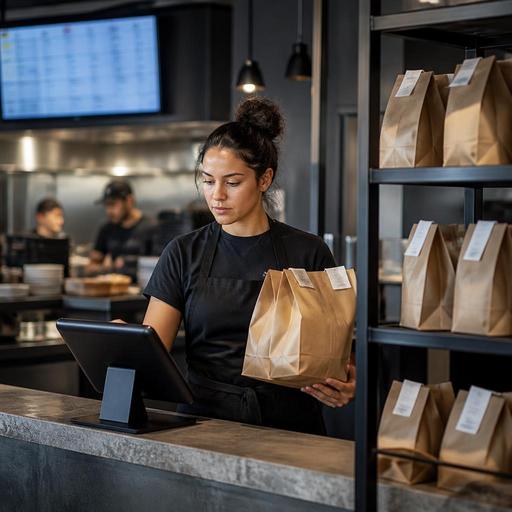
Stopping Fake Orders and Chargebacks in U.S. Restaurant Direct Ordering
Why fake orders and chargebacks hit direct ordering so hard
Fake orders and chargebacks in direct ordering can quietly drain margin from U.S. restaurants because the loss is not just the food cost. It also includes labor, packaging, payment processing time, remake disruption, and the operational confusion that follows when a guest claims they never placed the order or never received it. For an independent pizza shop, a fast-casual salad brand, or a multi-location wing concept, one bad order during a dinner rush can tie up the kitchen display system, delay real tickets, and create avoidable refund work for managers.
Direct ordering is still worth protecting because it gives operators more control than third-party delivery apps. You own more of the guest relationship, can guide pickup and curbside pickup more clearly, and can connect ordering data to your POS, kitchen workflows, and loyalty efforts. But that control only helps if the ordering flow is built to spot risky behavior before the kitchen fires the check.
In the U.S., risk often shows up in familiar patterns: a large same-day catering order from a brand-new guest profile, repeated card attempts on a late-night takeout order, a pickup order where the name does not match the confirmation, or a delivery address that is incomplete but the guest demands immediate dispatch. Bars, hotel restaurants, food trucks taking event preorders, airport concessions handling rush windows, and stadium vendors using pickup shelves all face different versions of the same issue.
The goal is not to block legitimate guests. The goal is to create enough friction for suspicious transactions while keeping regular takeout and QR ordering convenient for good customers.
Build a safer ordering and payment flow before the order reaches the kitchen
The best fraud prevention starts before the ticket prints. Restaurants should review the direct ordering path from menu to payment confirmation and decide where risk checks belong. Many operators focus only on card disputes after the fact, but prevention usually starts with order design.
Use layered checkout controls
- Require complete guest details for online orders, including name, mobile number, email, and a clear fulfillment method such as pickup, curbside pickup, or delivery.
- Limit repeated payment retries in a short time window. Multiple rapid card attempts can signal testing of stolen card numbers.
- Review unusually large orders before sending them to production, especially when the guest is new or the order is placed close to fulfillment time.
- Set realistic prep-time buffers so staff have a short review window on suspicious orders instead of firing everything instantly.
- Use address validation and delivery zone checks for direct delivery. Incomplete addresses or mismatched ZIP codes deserve a manual look.
A suburban burger shop, for example, might auto-accept standard lunch pickup orders under a certain threshold but flag a $300 order with extra sides, desserts, and multiple payment attempts for manager review. A downtown cafe may allow fast direct ordering for known office customers but hold first-time catering orders until the phone number is confirmed.
Choose payment settings that match your service model
Restaurants should work with their payment provider and POS stack to understand available card verification tools, digital wallet acceptance, manual review options, and dispute evidence collection. A counter-service concept with a strong lunch pickup business may prefer fast wallet-based checkout and limited custom order notes. A full-service restaurant selling family meals for curbside pickup may want stronger verification on higher-ticket orders.
If your operation adds service charges, delivery fees, or tips during checkout, make sure those amounts are presented clearly and consistently on the guest-facing order summary and on internal records. In the U.S., service charge handling, tipping workflows, and sales tax treatment can vary by state or locality and may affect how a guest later disputes a charge, so operators should confirm their setup with qualified advisors and current official guidance.
Use pickup, curbside, and delivery handoff rules to reduce “order not received” claims
Many chargebacks are really handoff problems. The food was made, but the restaurant cannot prove who received it or whether the order sat unattended on a pickup shelf. Your handoff process matters as much as your payment settings.
Strengthen pickup shelf and curbside workflows
- Separate low-risk and high-risk orders. Do not place every order on an open pickup shelf. Hold suspicious or high-value orders behind the counter.
- Confirm the order identifier. Ask for the guest name and order number rather than announcing the full order details.
- Log pickup timing. Staff should mark when the order was staged and when it was handed off.
- Capture curbside details. If you offer curbside pickup, ask for vehicle color, make, and parking spot when practical.
- Train staff on exceptions. If the guest says the phone is dead or cannot show confirmation, require a manager check before release.
A neighborhood Mexican restaurant with a busy pickup shelf near the front door may find that open shelving works for chips and bottled drinks but not for family fajita packs on Friday night. A fast-casual bowl concept near a college campus may decide to move higher-value orders behind the expo line after repeated claims that bags were taken by someone else.
For direct delivery, drivers or staff should have a simple proof-of-handoff routine. That might mean confirming the apartment number, noting where the order was left, or using an internal completion step before the ticket is closed. Keep the workflow practical. If it is too slow, staff will skip it during rushes.
Train managers to spot patterns and respond to disputes fast
Fraud prevention is not just a software setting. It is a management habit. The operators who reduce losses usually have a short playbook for what to review daily and what to save when a dispute appears.
Patterns worth reviewing every week
- Orders with unusually high modifiers or add-ons compared with normal guest behavior
- Multiple orders from the same device, phone number, or IP pattern using different cards
- Refund requests immediately after confirmed pickup
- Chargebacks tied to one daypart, one location, or one fulfillment method
- Orders sent to the kitchen and canceled only after prep began
For a multi-location chicken tender brand, one store may see more pickup fraud near a transit hub, while another sees more late-night card testing near a college district. Looking at store-level patterns helps franchise teams avoid using one blanket rule everywhere.
When a chargeback does happen, organize your response evidence quickly: order confirmation, timestamp, itemized receipt, payment approval details, pickup or delivery notes, and any relevant communication with the guest. Keep your records clean and easy to retrieve from your POS, order management system, and kitchen workflow tools. Operators should also verify dispute deadlines and card-network procedures with their processor, since those requirements can change.
Create a guest-friendly policy that blocks abuse without hurting conversion
The strongest direct ordering systems balance security with convenience. If the process feels hostile, good guests abandon the cart and order through delivery apps instead. If the process is too loose, fake orders slip through and the kitchen pays the price.
Start with a few practical rules: auto-accept normal orders, review edge cases, tighten handoff controls on high-risk tickets, and keep communication clear. Make sure your online menu, checkout flow, confirmation messages, and pickup instructions are mobile-friendly and ADA-minded so guests can complete orders without confusion. Accessibility expectations can vary by context, so it is wise to review digital access practices with qualified professionals when needed.
For chain operators, also keep menu data and pricing consistent across direct ordering, QR menus, and third-party channels. If your brand is large enough to fall under federal menu labeling rules or other state and local requirements, verify current obligations with official guidance and advisors. Consistency reduces guest confusion, and confusion often becomes refund requests.
Restaurants do not need a complicated fraud department. They need clear thresholds, trained staff, better handoff proof, and connected systems that let managers see what happened from checkout to kitchen to pickup. Restomas helps operators connect direct ordering, QR ordering, POS workflows, and fulfillment visibility so risk controls are easier to manage in everyday service.