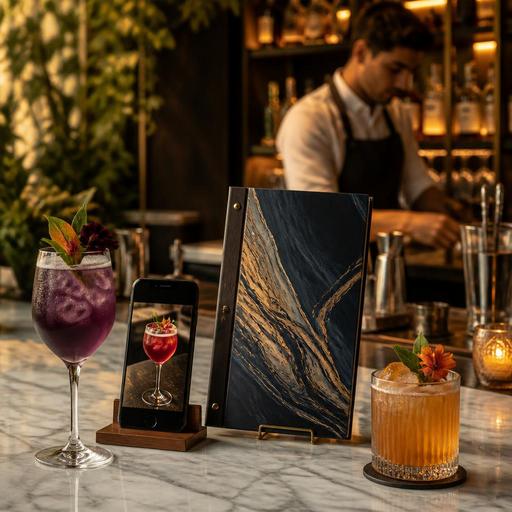
Cocktail Menu Design for Bars: Layout and Copy That Sell
A strong cocktail menu design for bars does more than list drinks. It shapes guest expectations, shortens decision time, supports upselling, and helps bartenders and servers guide orders with confidence. In bars and lounges, where atmosphere matters as much as speed, the menu becomes part of the experience. A crowded layout, vague drink names, or inconsistent descriptions can slow service and make premium cocktails harder to sell. A clear, well-structured menu helps guests find the right drink faster while giving your team a practical sales tool.
For owners and managers, the goal is not simply to make the menu look stylish. The goal is to create a menu that matches the concept of the venue, highlights profitable drinks, reduces ordering friction, and stays easy to update when ingredients, pricing, or seasonal features change. Whether your menu is printed, displayed by QR, or both, the same principles apply: clarity first, personality second, and operational logic throughout.
Build the cocktail menu around guest decision patterns
Most guests do not read cocktail menus from top to bottom. They scan. Some look for familiar classics first. Others want a signature drink that feels special but not risky. Many decide by spirit base, flavor style, or occasion rather than by cocktail name alone. That means your menu should be organized around how people choose, not around what is easiest for the bar team to type into a document.
A practical structure often works better than a creative but confusing one. Instead of placing all cocktails in one long list, divide the menu into clear groups such as signatures, classics, spritz and light drinks, spirit-forward, and no- or low-alcohol options. In a lounge with a strong evening crowd, you might also group drinks by mood, such as refreshing, bold, citrusy, or dessert-like, but only if those labels are instantly understandable.
For example, a guest deciding between a Margarita and a house tequila cocktail should not need to decode long storytelling text before understanding the difference. The menu should quickly answer basic questions:
- What kind of drink is this?
- What spirit leads the flavor?
- Is it light, sour, sweet, bitter, or strong?
- What makes it different from nearby options?
When these answers are easy to find, guests order faster and with less hesitation. That improves table turns and reduces the back-and-forth that can slow busy service periods.
Use visual hierarchy to guide attention without clutter
Good visual design is not about adding more decoration. It is about helping the eye move naturally. A cocktail menu should make the most important items easy to notice and the rest easy to compare. If everything is highlighted, nothing stands out.
Start with a clean hierarchy. Category names should be easy to scan. Cocktail names should stand out more than body text. Descriptions should be short enough to read quickly. Keep spacing generous enough that the menu does not feel cramped, especially in low-light bar environments where guests may be reading on small screens or under dim lamps.
Some practical design choices include:
- Limit the number of cocktails per section. A shorter, better-curated list often performs better than an oversized menu that overwhelms guests.
- Use one consistent description format. For example: spirit, key modifiers, flavor cue, and serving style.
- Highlight signature or high-margin drinks subtly. Use placement, a short label, or section order rather than excessive graphic treatment.
- Keep pricing visually calm. Prices should be easy to find but should not dominate the page more than the drink itself.
- Design for digital readability. If guests access the menu by QR, test line length, spacing, and category flow on a phone screen.
Imagine a rooftop lounge with twelve signatures. If all twelve have long poetic names, two-sentence origin stories, and ingredient lists written in different styles, guests will slow down. If the same menu presents each drink with a clear name, concise flavor-driven description, and a simple marker like bright and refreshing or rich and spirit-forward, selection becomes much easier.
Write cocktail descriptions that sell the drink clearly
Copy is where many cocktail menus lose momentum. Owners often either write too little or far too much. A description should do one job well: help the guest imagine the drink and feel confident ordering it.
Vague phrases like crafted to perfection, a unique blend, or an unforgettable experience do not help a guest choose. Specific sensory language does. Instead of saying a drink is special, show why it is special.
Compare these approaches:
- Weak: House Signature Martini with premium ingredients and elegant flavor.
- Better: Gin, dry vermouth, green olive brine, and lemon oils; crisp, savory, and chilled extra cold.
The second version gives the guest useful information immediately. It also helps staff describe the drink consistently.
When writing copy, focus on four elements:
- Base spirit: vodka, gin, tequila, rum, whiskey, mezcal, and so on
- Key flavor notes: citrus, herbal, smoky, bitter, floral, tropical, creamy
- Texture or intensity: light, sparkling, silky, boozy, refreshing
- Point of distinction: house syrup, infused spirit, unusual garnish, clarified format, local ingredient
Keep most descriptions to one sentence or a compact phrase. If your concept has a strong story, place that story in a short intro to the section or let staff share it tableside. The menu itself should prioritize speed and clarity.
This is also where digital menu management becomes practical. When cocktail descriptions live in a system that is easy to edit, you can refine wording based on guest reactions, seasonal changes, or staff feedback without waiting for the next print run.
Connect menu creativity to bar operations
A beautiful cocktail menu can still create service problems if it ignores operational reality. Every featured drink should be considered from prep time, ingredient availability, glassware, garnish complexity, and training consistency. If a signature cocktail looks impressive on the page but requires multiple last-minute steps during peak hours, it may hurt guest experience when the bar is full.
Before finalizing the menu, review each drink with the team:
- Can the drink be executed consistently by every bartender on shift?
- Are the ingredients always available in the expected quality?
- Does the garnish add value or only slow production?
- Can servers explain the drink in one clear sentence?
- Is the drink profitable enough to justify its complexity?
For example, a smoked cocktail served under a cloche may work as a visual signature in a premium lounge, but if it causes delays on Friday nights, it may be better positioned as a limited feature rather than a core menu item. Likewise, a menu that includes too many one-off syrups or rare liqueurs can complicate inventory and increase waste.
Digital systems help here because they allow faster control. If an ingredient runs out, an item can be hidden or marked unavailable. If you want to test a seasonal Negroni variation for one week, you can add it without redesigning the whole menu. That flexibility matters for bars where trends and supply conditions change quickly.
Make the menu part of the full guest experience
The best cocktail menus support the atmosphere of the venue while also fitting naturally into service. In a quiet speakeasy, the tone may be intimate and refined. In a hotel bar, it may need to be polished but approachable for international guests. In a high-volume lounge, speed and legibility may matter more than long-form storytelling.
Think beyond the page itself. The guest experience improves when the menu connects with ordering, staff recommendations, and follow-up decisions. If a guest chooses a light aperitif, can the server easily suggest a second-round option? If the bar offers food pairings, are those pairings easy to spot? If the venue serves tourists, is the language simple enough for non-native speakers?
A few useful actions for operators include:
- Review the menu in the actual lighting of the venue.
- Ask staff which drinks guests ask the most questions about and rewrite those descriptions first.
- Track which signature cocktails sell often and which are ignored, then test section order or naming.
- Keep a digital version available so updates to pricing, availability, and seasonal features can happen quickly.
- Use QR menus to present clean visuals, allergy or ingredient details where needed, and faster updates without constant reprinting.
For bars and lounges, menu design is not a one-time branding task. It is an operating tool that affects revenue, speed, and guest confidence every night. A well-built cocktail menu makes choices easier, reinforces the identity of the venue, and gives the team a stronger framework for service. If you want to keep cocktail menus current across changing seasons, specials, and service periods, Restomas can help you manage digital menus in a way that stays practical for both guests and staff.