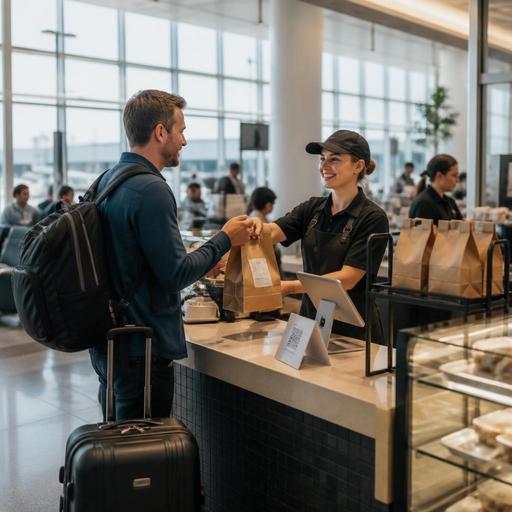
Airport Concession Menu Strategy for Faster Ordering in U.S. Terminals
An effective airport concession menu strategy has to do more than look polished on a board or QR page. In U.S. terminals, menus must help rushed travelers order fast, support clear pricing and item communication, and fit the realities of airport security, labor constraints, delivery pickup, and multi-shift operations. Whether you run a coffee counter in a regional airport, a fast-casual gate-side concept, a sports bar in a major hub, or a hotel-connected terminal restaurant, the menu is a frontline operations tool.
Airport guests behave differently from neighborhood diners. They may be watching boarding times, carrying luggage, splitting checks for coworkers, asking for grab-and-go packaging, or needing a quick takeout option before the next flight. That means your menu should reduce decision time, surface high-confidence items, and connect tightly to your POS, kitchen display system, and pickup workflow. It should also support accessibility and clear guest communication. When any menu decision touches ADA access, alcohol rules, labor practices, tax handling, FDA menu labeling for covered chains, or local airport authority requirements, operators should verify current obligations with qualified advisors and official guidance.
Design the menu for rushed U.S. travelers, not leisurely dining
In an airport, the best menu is often the one that helps a guest decide in under a minute. That does not mean cutting variety blindly. It means organizing choices around speed, clarity, and production reality.
Lead with fast, dependable categories
A breakfast kiosk near TSA may do best with a short top section such as breakfast sandwiches, drip coffee, cold brew, yogurt parfaits, and bottled beverages. A terminal burger bar might highlight combo meals, beer, wings, and a limited late-night set after certain hours. If your kitchen can turn a turkey club in four minutes but loaded fries in ten, your menu placement should reflect that.
Use concise item names and practical modifiers. For example, a Chicago airport sandwich counter can present Turkey Avocado Sandwich with simple bread and side choices instead of a long custom build that slows the line. A Dallas airport taco concept might place 3 Taco Combo ahead of fully customized individual tacos during peak boarding windows.
Make pricing and service expectations easy to understand
Airport guests are often less familiar with the venue and more sensitive to surprise charges. If your concept uses counter service, table service, kiosk ordering, or QR ordering at seats, the menu should make that obvious. If alcohol service has location-specific rules or ID checks, train staff to communicate the process clearly. If a service charge is used in a specific operating model, explain it accurately and make sure teams understand the difference between a service charge and a tip. Sales tax display practices can vary by jurisdiction and venue agreement, so confirm your setup with your POS provider and advisors.
Build for compliance-minded clarity without turning the menu into legal text
Airport menus need to communicate enough to reduce confusion while keeping ordering fast. The goal is operational clarity, not legal overload.
Keep allergen and dietary communication practical
A QR menu can help by giving guests an easier path to review ingredients, common allergens, and dietary notes without backing up the line. For example, a traveler with a nut allergy at an Atlanta coffee bar may prefer scanning a QR code while waiting rather than questioning a cashier during a rush. Staff still need a workflow for escalation to a manager or kitchen lead when a guest asks ingredient-specific questions.
If you operate multiple units, standardize allergen note formatting across concepts so guests do not have to relearn your system at every terminal location. Keep in mind that allergen communication, ADA access, and any required disclosures should be reviewed against current federal, state, local, and airport-specific guidance.
Prepare for chain menu labeling and alcohol workflows where relevant
Some larger operators and brands may need to consider FDA menu labeling requirements. The operational takeaway is simple: if calorie or related disclosures apply to your business model, build them into your menu governance process so updates reach boards, QR menus, kiosks, and POS channels together. Do not let one channel show outdated item information while another is current.
For bars and full-service airport restaurants, alcohol menus should also support fast verification and service consistency. A terminal sports bar can reduce friction by grouping draft beer, canned beer, wine, and cocktails clearly, while training servers on ID checks, cutoffs, and location rules. Operators should verify state, city, and airport concession requirements before changing alcohol workflows.
Connect menu structure to production, pickup, and labor reality
Airport menu performance depends on what happens after the guest taps order or reaches the register. If your kitchen and handoff station are not aligned, even a smart menu will create delays.
Trim modifiers that create hidden bottlenecks
Every extra sauce, side swap, milk option, or protein add-on affects throughput. That does not mean removing customization completely. It means identifying which modifiers matter to guests and which ones slow the line without adding enough value.
- Keep high-demand choices like dairy alternatives at a coffee counter.
- Limit low-frequency substitutions that interrupt prep.
- Default combo meals to the most operationally efficient side and drink.
- Route special requests visibly to the kitchen display system.
For example, a Phoenix airport breakfast concept may allow choice of bagel type and coffee size, but avoid a long list of sandwich rebuilds during the morning rush. A burger counter in Denver may offer one or two approved side swaps rather than a full matrix of substitutions.
Separate dine-in, takeout, and pickup handoff logic
Airport guests may order at a counter, through a kiosk, by QR at a gate-adjacent seat, or through a delivery marketplace serving airport workers where permitted. Your menu and order channels should reflect the handoff method. If you use a pickup shelf, orders need clear bag labeling and staging rules. If curbside pickup exists for landside locations or hotel-connected airport properties, the menu should guide guests to accurate pickup instructions and timing.
Kitchen display workflows can help prioritize by promised time, channel, and order size. A salad bowl for a traveler boarding in 15 minutes should not get buried behind a large employee catering order for an airline office. Many operators create separate expo zones for hot food, coffee, and grab-and-go to reduce handoff confusion.
Use digital menus to manage dayparts, outages, and terminal complexity
Airport traffic changes fast. Weather delays, early departures, red-eyes, and irregular operations can swing demand within minutes. Static menus struggle in that environment.
Update availability in real time
If bottled juice sells out at 6:45 a.m., the QR menu and kiosk should stop promising it. If your fryer is down, remove fries from combo defaults before the line grows. This is where POS-linked menu management matters for airport concessions. A synced digital menu can reduce awkward register conversations and protect guest trust.
For multi-location airport operators, central menu controls are especially useful. A franchise team managing units in Orlando, Newark, and Los Angeles can keep brand standards consistent while allowing local availability, pricing, and daypart differences. That matters when one unit serves all-day breakfast, another has late-night beer service, and a third relies heavily on grab-and-go coolers.
Match the menu to labor and shift transitions
Airport staffing can be uneven across early mornings, delay waves, and overnight periods. Your menu should flex with labor reality. A reduced overnight menu for a gate-area bar is often smarter than pretending full capacity exists with a skeleton crew. A coffee kiosk can shift from full espresso customization to a simplified late-evening beverage set when staffing is lighter.
- Review ticket times by daypart.
- Identify items with the highest slowdown risk.
- Create a peak-travel menu and a reduced-staff menu.
- Sync those menus across POS, QR ordering, kiosks, and menu boards.
- Train cashiers, runners, and kitchen staff on the switch rules.
Also consider tipping workflows. If guests order at a counter but receive food at a table or gate seat, staff should know how gratuity prompts, tip reporting procedures, and any service model explanations work in your system. Operators should confirm current federal, state, and local labor and payroll rules with qualified professionals.
Practical next steps for U.S. airport operators
If you want a better airport concession menu, start with one terminal reality: guests are under time pressure, and your team is working inside a complex venue. Audit your top 20 items, your busiest 60 minutes, and your most common guest questions. Then simplify what slows ordering, clarify what guests repeatedly ask, and connect menu decisions to production and pickup.
A strong airport menu should help a traveler understand the offer quickly, help the kitchen execute consistently, and help management control updates across channels. Restomas can support that kind of connected workflow through digital menus, QR ordering, order management, and operational visibility for fast-moving food-service environments.
