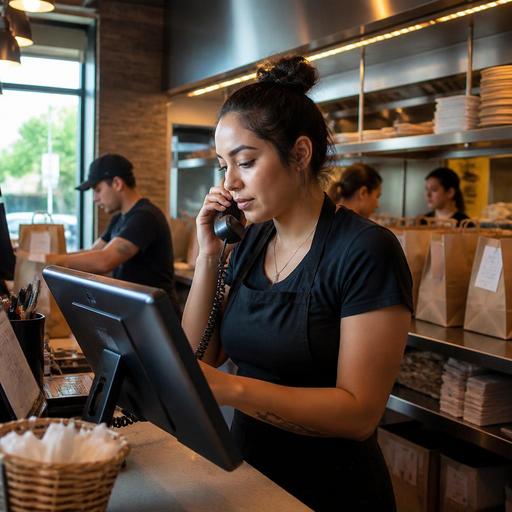
How U.S. Restaurants Can Cut Phone Order Errors With Better Takeout Workflows
Phone order mistakes in U.S. restaurants usually come from rushed conversations, incomplete guest details, unclear modifiers, and weak handoffs from the person answering the call to the kitchen and pickup station. If you run a pizzeria, diner, Chinese takeout counter, neighborhood Mexican restaurant, sports bar, hotel kitchen, or multi-location fast-casual brand, reducing those errors starts with a structured workflow rather than telling staff to “be more careful.” A better process helps protect food cost, guest trust, and labor time while making takeout, curbside pickup, and delivery app overlap easier to manage.
In many U.S. operations, the phone still matters. Regulars call in their usual order, office catering clients want to confirm timing, and older guests may prefer speaking to a person instead of using QR ordering or direct online ordering. The goal is not to eliminate phone orders. The goal is to make them as consistent as your in-store POS flow.
Build one standard phone order script for every shift
The first fix is simple: stop letting every employee take calls differently. A server on a slow lunch shift, a bartender answering during happy hour, and a host working Friday dinner can all gather different information unless you give them one standard sequence.
For example, a suburban pizza shop in Ohio might require this order every time: guest name, callback number, pickup or curbside, promised time, full item list, crust or size, modifiers, drinks, utensils if needed, payment method, and final read-back. A diner in New Jersey may add sides, toast choice, soup of the day, and whether the guest needs separate packaging for breakfast platters. A food truck taking advance event orders may confirm exact pickup window and vehicle location.
- Start with contact details: guest name and callback number before taking the order.
- Confirm fulfillment method: pickup shelf, curbside pickup, hotel room pickup point, or another handoff method.
- Take items in menu order: this reduces skipped modifiers and side choices.
- Repeat every modifier: no onions, extra ranch, sauce on the side, gluten-sensitive request, dressing choice, doneness where relevant.
- End with a full read-back: item by item, then pickup time and total if available.
This should be written, trained, and posted near every phone station. If your restaurant has multiple locations, use the same core script chain-wide and allow small local add-ons. That makes training easier and helps franchise or district managers spot where errors are happening.
Move phone orders into the POS and kitchen display system immediately
One major source of error is the gap between the call and the kitchen. Handwritten notes, verbal relays, and memory-based entry create avoidable mistakes. The best practice is to enter the order directly into the POS while the guest is still on the phone, then route it to the kitchen display system or printer in the same way as online orders.
Consider a busy Chicago burger shop handling dine-in tabs, delivery apps, and takeout during a lunch rush. If the cashier writes a phone order on scrap paper and keys it in five minutes later, the order can be delayed, modifiers can be missed, and the promised pickup time can slip. Direct entry into the POS creates one source of truth for the line, expo, and pickup shelf team.
Operationally, owners should review whether their POS stack supports:
- clear modifier groups that match how guests actually order by phone
- pickup and curbside tags visible to kitchen and front counter staff
- promise-time tracking for takeout orders
- caller notes for gate codes, hotel room instructions, or allergy-related operational flags
- order throttling when the kitchen is overloaded with direct orders and delivery apps
If your current system makes phone orders harder than app orders, staff will keep taking shortcuts. Clean menu programming matters. For example, if a Philly sandwich shop has separate buttons for bread type, cheese, add-ons, combo drink, and side substitution, the order taker is less likely to forget details than if those choices live in free-text notes.
Use confirmation checkpoints before the food reaches the pickup shelf
Even when the call is taken correctly, errors still happen during production and handoff. That is why structured checkpoints matter. In U.S. takeout-heavy restaurants, the final mistake often appears at the bagging station, not at the phone.
A simple three-check system works well:
- Order-entry check: the person taking the call reads back the full order and pickup method.
- Expo or bagging check: a designated staff member matches containers, modifiers, sauces, drinks, and desserts against the ticket.
- Guest handoff check: staff confirms guest name and key items before placing the order on the pickup shelf or walking it to curbside.
Think about a Texas barbecue restaurant on a Friday night. The meats may be right, but the missing bread, pickles, sauce cups, and family-pack sides are what trigger complaint calls. Or picture a hotel restaurant sending takeout to a lobby pickup point: if the bag is not labeled by guest name and room-related instructions are unclear, the front desk gets dragged into a problem the kitchen created.
For bars and restaurants where alcohol may be part of takeout or delivery, operators should verify current state and local rules, ID-check procedures, and packaging requirements with official guidance and qualified advisors. The operational lesson is still the same: create a separate confirmation step for restricted items rather than treating them like standard food add-ons.
Train staff on the most common U.S. phone order failure points
Not all mistakes are equal. Owners should review refunds, remakes, voids, and complaint logs to find repeat patterns. Usually, the same problems keep showing up:
- missing modifiers on sandwiches, salads, and bowls
- wrong side dishes in combo meals
- unclear family meal quantities
- pickup time promises that ignore current kitchen load
- curbside orders with no car description or arrival instructions
- names that sound similar during a rush
- language barriers or noisy dining rooms that make read-backs hard
A practical fix is to role-play real calls during pre-shift. Have staff practice taking a complicated breakfast order at a diner, a wing order during a game-day rush, or a large office lunch with separate boxed meals and drinks. Train them to ask clarifying questions instead of guessing.
It also helps to assign phone responsibility intentionally. During peak periods, the best person to answer may not be a server carrying a section or a manager handling vendor deliveries. Some restaurants designate one host, cashier, or takeout lead to control incoming phone traffic. Others reduce errors by steering callers toward direct online ordering for standard menu items while reserving the phone for special requests and larger orders.
If you accept tips on phone orders, make sure your payment flow is clear for staff and guests, whether payment happens at order time, at pickup, or through a card-not-present workflow. Tipping procedures, tip reporting, service charges, and tax treatment can vary by setup and jurisdiction, so operators should verify current requirements with their POS provider, accountant, payroll partner, or official guidance.
Make phone orders easier to replace with better digital options over time
The best long-term way to reduce phone order mistakes is to let guests enter routine orders themselves when they want to. Direct online ordering, QR menu access, and mobile-friendly takeout pages reduce misheard items and free up staff for hospitality and production. But digital ordering should complement the phone, not abruptly replace it.
For example, a California fast-casual salad chain can keep a phone line for catering and guest service while pushing everyday lunch orders through direct web ordering tied to the POS. A coffee shop near a hospital can use QR ordering and pickup shelves for repeat morning traffic while still answering calls for pastry trays and same-day group orders. ADA-minded access matters here too: if digital ordering is part of the workflow, provide practical alternatives for guests who cannot or do not want to use a smartphone, and verify accessibility expectations with qualified advisors when needed.
Restaurant owners should also review menu design itself. The more confusing the menu, the more phone mistakes you will get. Trim duplicate item names, standardize modifier language, and align online, printed, and verbal menu descriptions. Chains subject to FDA menu labeling rules or local menu requirements should coordinate operational updates carefully and verify current obligations with official guidance.
Reducing phone order mistakes is not about one perfect employee. It is about building a repeatable system: one script, direct POS entry, kitchen visibility, bagging checks, realistic promise times, and cleaner digital alternatives. Restomas can support that kind of structured workflow by connecting menus, ordering, and operational handoffs in one place.