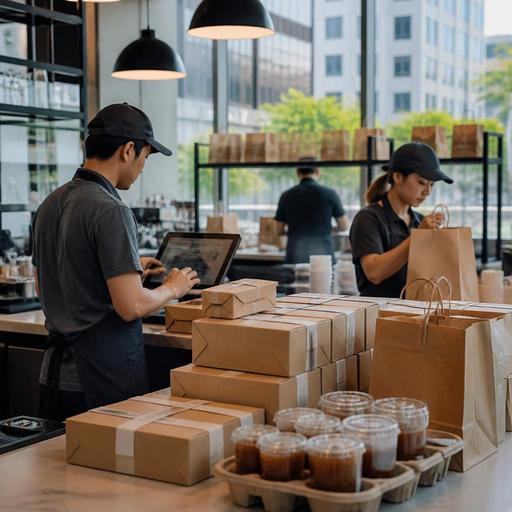
Corporate Lunch Ordering Systems for U.S. Cafes and Fast-Casual Brands
Corporate lunch ordering systems for U.S. cafes and fast-casual brands can create a steady weekday revenue stream, but only if the workflow is tight from ordering to handoff. Office catering and group lunch orders look attractive on paper, yet many operators lose margin when the line gets backed up, modifiers are missed, drivers arrive early, or the front counter team has to chase payment details. For U.S. cafes, salad shops, sandwich concepts, and fast-casual brands, the goal is not just to sell more boxed lunches or platters. It is to build a repeatable system that fits your POS stack, kitchen display workflow, labor schedule, and guest communication style.
Why corporate lunch can strain a restaurant that already runs well
A neighborhood cafe may handle a normal noon rush with a short menu and a solid counter line, but a 25-person office order changes the pace completely. Instead of one guest ordering one check, your team may need to manage individual meal selections, allergy notes, beverage add-ons, utensils, delivery timing, and one business payer. A fast-casual bowl concept in downtown Chicago might receive a same-day request for 18 individually labeled lunches to a law office, while also serving walk-in guests, app orders, and third-party delivery tickets. Without a defined process, the corporate order disrupts everything else.
That is why operators should treat corporate lunch as a separate workflow, not just a larger takeout order. The ordering channel, prep timing, pickup or delivery handoff, packaging, and post-order follow-up all need structure. This matters even more for multi-location brands, hotel lobby cafes, airport concessions with strict timing windows, and food-service teams near office parks where recurring weekday demand can be significant.
Set up a dedicated ordering flow before you market to offices
Many operators start by promoting catering trays on social media, then discover the store cannot handle the details consistently. A better approach is to define exactly how a corporate lunch order enters the business and who owns each step.
- Create a separate menu flow for group orders. Keep it simpler than the full dine-in menu. Bundle top sellers into boxed lunches, sandwich assortments, salad packages, or hot bar sets with clear serving sizes.
- Use ordering cutoffs. For example, require next-day ordering for large office lunches or set a same-day cutoff time based on your prep capacity. Avoid promising every request during peak lunch hours.
- Standardize modifiers. Use limited, clearly defined choices for bread, protein, side, beverage, and allergy notes so the kitchen is not decoding long free-text requests.
- Decide on labeling rules. Individual names, item types, and dietary identifiers should print or display consistently for the expo station.
- Assign one ownership point. In a single-unit cafe, this might be the shift lead. In a multi-location brand, it may be a catering coordinator or store manager.
A Dallas fast-casual wrap shop, for example, may decide that all office orders above a certain size must come through direct online ordering instead of phone calls. That reduces verbal mistakes, collects needed details up front, and allows the kitchen display system to queue the order with the right fire time.
Build the kitchen and front-of-house workflow around timing
Timing is where profitable corporate lunch programs usually succeed or fail. A 12:15 office delivery is not helpful if the order is packed at 11:20 and fries lose quality, or if the courier shows up before the beverages are ready. Operators should map the order backward from the promised handoff time.
Prep and production planning
Separate what can be done early from what should be finished close to departure. Cookies, chips, cold sandwiches, side salads, labels, and condiment kits can often be staged in advance. Hot items, toasted sandwiches, fries, and certain beverages may need a later production window. A kitchen display system can help pace stations so the grill, salad, expo, and beverage areas finish in sync.
For a Los Angeles cafe serving media offices, that may mean assembling boxed lunch labels and cold sides at 10:30 a.m., then firing hot paninis at 11:35 for an 11:55 driver pickup. For a suburban office park salad brand, the team may pre-batch dressings and proteins early, then assemble individual bowls in a dedicated make line separate from the in-store line.
Pickup, curbside, and delivery handoff
Corporate lunch orders need a clear handoff point. If guests picking up a 30-meal order stand in the same line as regular takeout, the counter clogs quickly. Use a dedicated pickup shelf area for smaller office orders, and a staffed handoff zone for larger ones. If you offer curbside pickup, define how the customer checks in and where the order should be staged so the food does not sit too long.
If your brand uses in-house drivers, map realistic delivery zones and time buffers. If you rely on delivery apps or third-party couriers for some office orders, be careful with item counts, packaging durability, and communication. Many operators prefer direct ordering for recurring office accounts because it gives better control over guest data, service recovery, and repeat sales.
Make billing, tipping, and guest communication easy for business accounts
Corporate lunch buyers care about reliability, but they also care about checkout simplicity. If your cashier has to call an office manager for a card number while a line forms behind them, the process is not scalable.
Offer a clean payment path for company orders. Some U.S. operators use prepayment through direct online ordering, while others allow approved house accounts or invoice workflows for repeat clients. If your system supports service charges, delivery fees, or optional tips, present them clearly and distinguish them from sales tax. Since tax treatment and service charge rules can vary by state or city, and labor implications can differ, operators should confirm current requirements with qualified advisors and official guidance before setting policies.
Tipping also needs clarity. A catered office lunch delivered by staff may prompt a customer to ask whether a tip goes to the driver, the setup team, or the whole crew. Train managers and cashiers to explain your policy consistently, and make sure reporting and payroll workflows match your setup. For tipped staff, delivery staff, and mixed service models, verify current federal, state, and local rules with payroll and tax professionals.
Communication should be simple and proactive. Send an order confirmation with the delivery window, contact name, packaging expectations, and any setup notes. If utensils, plates, or beverage service are optional, ask that during checkout rather than through a follow-up call. For ADA-minded access, make digital ordering flows easy to navigate and keep pickup instructions straightforward for office guests and admins coordinating orders.
Turn one-time office orders into a repeat weekday sales channel
The most valuable corporate lunch program is not built on random large orders. It is built on repeatability. After each successful order, capture operational notes that help the next one run faster.
- Track order patterns. Note which offices order on Tuesdays, which items repeat, and what delivery windows are most common.
- Create office-friendly menu tiers. Offer fast reorder bundles such as 10-person sandwich lunch, 20-person salad bar package, or executive meeting breakfast add-on.
- Review packaging performance. Did soups spill, did labels stay readable, did cold items hold temperature, did the pickup shelf become crowded?
- Measure labor impact. Did the order require an extra prep cook, earlier baker arrival, or a dedicated expo? Adjust schedules based on actual demand.
- Keep guest data organized. Save business contacts, suite numbers, loading dock instructions, and recurring dietary preferences where your team can access them.
A regional fast-casual chain with several locations in Atlanta might route office orders to the nearest unit, but keep menu templates, pricing logic, and fulfillment steps standardized across stores. That helps franchise or corporate teams maintain consistency while still respecting each location's kitchen capacity and delivery radius.
For cafes and fast-casual brands, corporate lunch works best when it is operationally boring in the best possible way: clear ordering, predictable prep, accurate packaging, simple billing, and dependable handoff. If your current process still depends on phone notes, memory, and last-minute packing, tightening the workflow can protect lunch service while opening a strong recurring revenue stream. Restomas can help operators organize digital menus, direct ordering, kitchen workflows, and multi-location consistency without adding unnecessary complexity.