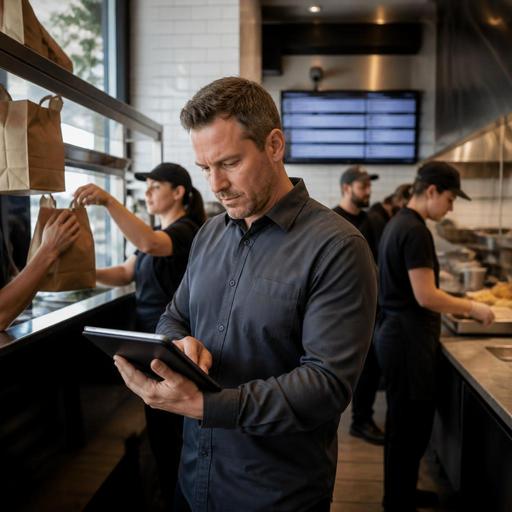
How U.S. Restaurants Can Track Ticket Time, Voids, Remakes, and Table Turns
Ticket time, voids, remakes, and table turns are some of the most practical service KPIs U.S. restaurant operators can track when they want faster shifts, cleaner execution, and better guest experience. Whether you run a neighborhood diner, a fast-casual bowl concept, a sports bar, a hotel restaurant, or a multi-location burger chain, these numbers can show where service breaks down before the guest leaves a bad review or the team loses the dinner rush.
The key is not just collecting reports from your POS. The real value comes from defining each KPI the same way across shifts, reviewing it by daypart, and tying it to specific operating actions. A lunch rush at a downtown salad shop has different pressure points than a Saturday night steakhouse, a food truck at a brewery, or an airport concession trying to move a line between flights. Good KPI tracking helps each format make better decisions without guessing.
Start with clear definitions your whole team can use
Many restaurants say they track service metrics, but managers, servers, and kitchen leads often mean different things when they use the same term. That makes the report less useful. Before you coach the team, define the metric in plain language and use the same definition in every pre-shift meeting, manager log, and store report.
- Ticket time: the time from order entry in the POS to the order being ready for handoff, expo, pickup shelf, or table delivery, depending on service style.
- Voids: items or checks removed after being entered, whether caused by guest changes, cashier mistakes, training issues, or possible misuse.
- Remakes: food or drinks prepared again because the first version could not be served as ordered or as expected.
- Table turns: how many times a table is seated and reset in a service period, or how long it takes to move a party from seating to payment and reset.
For example, a quick-service taco shop may measure ticket time from payment to pickup shelf readiness. A full-service brunch restaurant may measure from server send time to first plate at the table. A hotel lobby bar may separate bar tickets from food tickets because cocktail production can distort kitchen performance. If you operate multiple locations, standardization matters even more, especially when different managers are comparing results from different POS stacks or kitchen display workflows.
Use ticket time to find bottlenecks, not just blame the kitchen
When ticket times rise, operators often assume the line is too slow. Sometimes that is true, but in many U.S. restaurants the delay starts earlier or later in the workflow. Orders may sit before they are fired, modifiers may be unclear, or completed food may wait at expo while a server closes out another check. In fast-casual and QSR settings, a jam at the handoff counter or curbside pickup station can make a good kitchen look slow.
Break ticket time into stages if your systems allow it: order entry, kitchen production, expo, and guest handoff. A pizza shop with direct online ordering and delivery apps may discover that third-party orders spike all at once at 6:15 p.m., overwhelming the make line. A diner may learn that ticket times jump only when one server station covers too many tables. A stadium concession may find that batching grilled items helps but slows payment and pickup because the pickup shelf gets crowded.
Practical ways to improve ticket time
- Review ticket time by daypart, not just daily averages.
- Separate dine-in, takeout, curbside pickup, and delivery app orders.
- Flag menu items with long cook times and decide whether to pre-batch, limit, or reroute prep.
- Use kitchen display system routing so fry, grill, salad, and bar tickets reach the right station fast.
- Set realistic promise times for direct online ordering instead of using one static estimate all day.
If you use QR ordering, make sure guests can still get help easily. Speed should not come at the expense of ADA-minded access or hospitality. Some guests may prefer a printed menu or staff assistance, and operators should keep service workflows inclusive while verifying any local accessibility expectations with qualified advisors or official guidance.
Voids and remakes reveal training gaps, menu friction, and possible loss points
Voids and remakes are often treated as back-office numbers, but they are front-line service indicators. A spike in voids during the lunch rush may point to confusing combo builds, rushed cashiers, or duplicate orders from multiple channels. A spike in remakes on Friday nights may point to expo errors, inconsistent modifiers, or a menu item that is hard to execute at volume.
Consider a U.S. sports bar with lots of split tabs and frequent seat changes. If servers move items between checks late in the meal, void activity may increase even when nothing improper is happening. The solution may be better seat numbering, clearer POS training, and earlier check management. In a coffee shop, remakes may come from milk choice errors or unclear custom drink notes. In a burger chain, remakes may cluster around high-modifier items ordered through delivery apps because packaging and label checks are weak.
Instead of asking only who caused the void or remake, ask what workflow made it likely. Build manager reviews around categories such as training, guest change, kitchen error, POS misuse, menu confusion, or channel issue. That gives you a better coaching plan and a cleaner audit trail.
Because voids can intersect with payment controls, tipped staff workflows, comps, discounts, service charges, and sales tax treatment, operators should make sure managers know their own company rules and verify current federal, state, and local requirements with qualified accountants, payroll partners, or legal advisors when needed. The operational goal is simple: fewer preventable mistakes and clearer documentation.
Table turns matter only when they match your concept and guest experience
Faster table turns are not always better. A fast-casual lunch spot near office towers may need to turn tables quickly to protect peak revenue. A neighborhood bistro may make more from dessert, another round, and guest loyalty than from rushing people out. The KPI matters when it reflects the economics and experience of your concept.
For full-service restaurants, track the major phases: time to greet, time to first beverage, time to order, time to food, time to check drop, and time to payment completion. A common U.S. friction point is the end of the meal. If guests wait too long to close out, table turn suffers even when the kitchen performed well. Mobile pay-at-table, handheld POS devices, or QR payment can reduce that delay when used thoughtfully.
In family dining, table turns may slow because large parties split checks late, kids order in waves, and dessert extends the stay. In airport or hotel restaurant settings, pacing may vary with flight banks or event traffic. For bars with food service, a table may function more like a tab-based seat than a meal occasion. Compare like with like, and avoid using one target across every format.
Build a weekly KPI routine that leads to action
The best restaurant KPI review is short, consistent, and tied to changes on the floor. Pick one weekly meeting rhythm for owners, GMs, and shift leads. Review the same four measures, compare them by shift and channel, and assign one action per issue.
- If ticket time is high: adjust staffing by station, simplify prep, or change online order throttling.
- If voids are high: retrain order entry, tighten manager approvals, or fix confusing menu buttons.
- If remakes are high: audit recipe builds, modifier language, packaging checks, and expo calls.
- If table turns are slow: improve greeting, pre-bus faster, and speed up check presentation and payment.
For multi-location operators, use the same dashboard structure across stores but allow local notes. One suburban location may struggle with curbside pickup staging, while another has a bar printer issue that delays checks. Standard reports plus local context lead to better decisions than averages alone.
When your systems connect POS data, kitchen display timing, online ordering flow, and service reporting in one place, these KPIs become easier to act on. Restomas helps operators organize those workflows so service issues are easier to spot and improve across one location or many.
