DoorDash vs Uber Eats vs Direct Online Ordering for U.S. Restaurants
For many operators, comparing DoorDash vs Uber Eats vs direct online ordering for U.S. restaurants is not really about picking one channel and ignoring the others. It is about building a workable sales mix that protects margins, keeps the kitchen organized, and gives guests a smooth ordering experience whether they want delivery, takeout, curbside pickup, or a quick pickup shelf handoff. A neighborhood burger shop in Dallas, a fast-casual salad chain in Chicago, and a hotel restaurant near Orlando all face different channel decisions, but the operational questions are similar: who owns the guest relationship, how does the order hit the POS, what happens during a rush, and where does profit leak out?
What each ordering channel is really good at
DoorDash and Uber Eats are useful when you want reach. They can put your menu in front of people who were not specifically looking for your restaurant. That matters for a new ramen shop in Seattle, a late-night wing concept in Atlanta, or an airport-adjacent restaurant trying to capture hotel guests who do not know the local market. Delivery apps can also help during slow dayparts when your dining room traffic is inconsistent.
Direct online ordering is strongest when you already have some guest awareness or repeat demand. Think of a suburban pizza shop with strong Friday takeout volume, a coffee shop offering office lunch pickup, or a multi-location Mediterranean brand pushing family meals through its own website and QR menu links. Direct ordering usually gives operators more control over menu presentation, upsells, pickup timing, guest data, and branded communication.
The practical takeaway is simple: marketplace apps are often discovery channels, while direct ordering is often a retention and margin channel. Most U.S. restaurants need both, but not with the same menu, pricing logic, or staffing workflow.
Compare the workflows before you compare the channels
Operators often compare commission costs first, but workflow quality usually has a bigger effect on whether the channel succeeds. If your team is juggling three delivery app tablets, a ringing phone, in-house tabs, and a kitchen display system that does not clearly separate dine-in from takeout, the real problem is operational friction.
When you evaluate DoorDash, Uber Eats, and direct ordering, review these workflow points:
- Order injection: Does the order flow directly into your POS or require manual entry?
- Kitchen routing: Can your kitchen display system separate third-party delivery, pickup, and dine-in tickets?
- Item availability: Can you 86 items quickly across all channels during service?
- Timing controls: Can you throttle prep times during a lunch rush or game-day surge?
- Guest communication: Who sends order-ready messages, delay notices, and pickup instructions?
- Refund and issue handling: Does your manager know which problems are handled by the app and which stay with the store?
A sports bar in Phoenix, for example, may keep wings and burgers on delivery apps but push party platters and family bundles to direct ordering because those larger checks need better timing control and fewer substitutions. A food truck in Austin might use delivery apps only during a fixed evening service window but rely on direct pickup ordering for lunch near office parks where guests want speed and lower fees.
Margins, menu strategy, and guest ownership
Marketplace demand can be valuable, but operators should think carefully about what menu belongs on each channel. The best delivery menu is not always the full in-house menu. Fried items that die in transit, build-your-own dishes with too many modifiers, and labor-heavy specials can create more problems than sales.
A practical channel strategy often looks like this:
- Keep a tighter app menu. Focus on items that travel well, hold temperature, and create fewer remake issues.
- Use direct ordering for better-margin occasions. Family packs, catering trays, office lunches, and scheduled pickup often perform better on your own channel.
- Build channel-specific packaging rules. A Nashville hot chicken sandwich for takeout may need different wrapping and side placement than a dine-in plate.
- Capture repeat guests. Include a clear in-bag insert or post-order message encouraging the next order through your direct site for pickup or curbside pickup, while following marketplace rules and current platform terms.
Guest ownership matters too. On your direct channel, you can usually control branding, order history, loyalty tie-ins, and follow-up marketing more effectively. On a marketplace app, the platform often controls much of the guest interface. That does not make third-party apps bad; it just means you should use them intentionally.
For a five-unit taco chain in Southern California, this may mean using delivery apps to attract new households within a few miles of each store, then using direct ordering for repeat Taco Tuesday pickup. For a diner in New Jersey, it may mean reserving delivery apps for breakfast and late night while steering regulars to direct takeout ordering for weekend brunch pickup.
Staffing, tips, taxes, and service details operators should map carefully
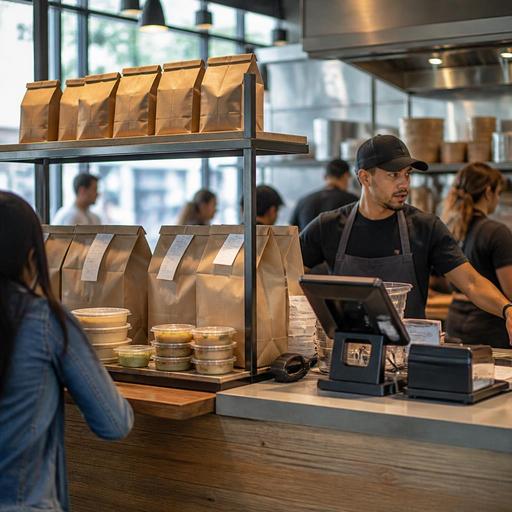
Channel decisions affect front-of-house and back-of-house labor more than many owners expect. A direct pickup-heavy model may require a better expo handoff station, labeled shelves, curbside pickup procedures, and a staff member who can answer guest calls about arrival timing. A delivery-app-heavy model may require stronger bagging controls, tablet monitoring, and tighter remake tracking.
U.S. operators should also map how each order type interacts with tipping workflows, payment reconciliation, and reporting. For example, direct online ordering may allow guests to tip more clearly for pickup or delivery depending on your setup, while marketplace orders may handle gratuities differently based on the platform and fulfillment model. Managers should understand how tips, service charges, driver handoff, and any reporting appear in the POS and accounting workflow. Because tax, wage, and tip treatment can vary by state and local rules, operators should verify current requirements with qualified advisors and official guidance.
The same caution applies to sales tax handling, alcohol sales, and menu labeling. If you run a chain that may be subject to FDA menu labeling rules, or you operate in cities with local delivery fee disclosures or labor scheduling requirements, make sure your online ordering setup reflects current obligations. If your restaurant uses QR ordering, keep accessibility in mind by offering an easy alternative path for guests who need assistance and by reviewing how menu information is presented. These are operational design choices first, but they can connect to legal requirements, so confirm current local rules before changing workflows.
How to build a channel mix that works in real U.S. operations
The best setup is usually not all marketplace or all direct. It is a controlled mix based on your concept, geography, and team capacity.
For independent restaurants
Start with one direct ordering flow that is easy to find from Google Business, social links, and your website. Then keep one or two marketplace channels with a curated menu. Train staff on one packaging station and one escalation process for missing items, delayed drivers, and guest complaints.
For fast-casual and QSR brands
Focus on speed and consistency. Integrate orders into the POS, route production to the kitchen display system, and separate shelves for third-party pickup, direct pickup, and in-store guests. Use throttling rules during peak periods so digital demand does not overwhelm the line.
For multi-location operators
Standardize menu naming, modifier logic, store hours, and item availability rules across channels. A guest ordering from your Denver location should not have a totally different digital experience from your Austin location unless there is a real operational reason. Central reporting across stores is critical if you want to compare app performance against direct ordering honestly.
For hotels, airports, and venue food service
Think carefully about pickup instructions and guest confusion. A hotel restaurant may need room pickup versus lobby pickup logic. An airport concession may need a simplified menu and strict prep timing. A stadium venue may prioritize QR ordering and express pickup rather than broad delivery coverage.
In practice, the winning question is not, Which channel is best? It is, Which channel is best for this order occasion, this menu, and this labor reality? If you can answer that clearly, you can use DoorDash, Uber Eats, and direct ordering as complementary tools instead of letting them compete chaotically inside your operation.
Restomas helps restaurants organize digital menus, ordering flows, POS-connected operations, and pickup workflows so each channel is easier for both guests and staff.
