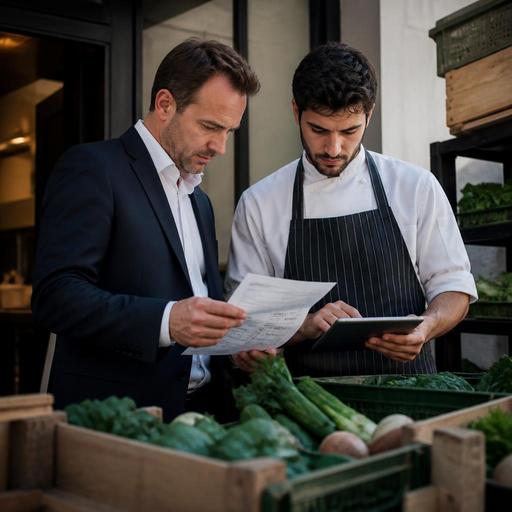
How Restaurants Can Digitize Supplier Comparison for Price, Delivery, and Quality
Digitizing supplier comparison for restaurants is no longer just a back-office improvement. It is a practical way to control food cost, reduce ordering mistakes, and protect guest experience when ingredients, packaging, and service items affect every plate that leaves the kitchen. For restaurant owners and operators, a digital supplier process makes it easier to compare price, delivery reliability, and quality without relying on memory, scattered messages, or paper invoices.
Many restaurants still manage suppliers through WhatsApp chats, handwritten notes, emailed PDFs, and verbal agreements. That may work when the business is small and stable, but it becomes risky as order volume grows, menus change, or multiple team members place purchases. A chef may remember which tomato supplier has the best flavor, while an operations manager may prefer another vendor with more dependable delivery windows. Without a shared system, these decisions stay personal instead of operational.
A more digital approach does not require a complicated procurement department. It starts with creating a simple structure for recording supplier data, reviewing it regularly, and connecting purchasing decisions to menu performance and daily operations. When restaurants digitize this workflow, they make better buying decisions and create fewer surprises for the kitchen and the guest.
Why supplier comparison matters beyond cost
Price is often the first thing operators compare, but it is rarely the only thing that matters. A cheaper supplier can become expensive if products arrive late, inconsistent, or below standard. A slightly higher unit price may be the better choice when delivery is dependable and product quality reduces waste, remakes, or guest complaints.
Consider a casual dining restaurant buying burger buns from two vendors. Supplier A offers a lower price per unit, but the buns sometimes arrive compressed or with uneven sizing. Supplier B charges more, yet the product is consistent and fits the restaurant’s plating and portion standards. If the kitchen has to discard damaged buns or remake sandwiches, the apparent savings from Supplier A disappear quickly.
The same logic applies to seafood, dairy, fresh herbs, frying oil, takeaway packaging, and cleaning supplies. A digital comparison process helps restaurants evaluate suppliers with a broader view, including:
- Quoted price and actual invoiced price
- Delivery accuracy by day and time slot
- Fill rate when ordered items are partially delivered or substituted
- Quality consistency across batches
- Communication speed when issues arise
- Credit terms and payment flexibility
- Minimum order requirements and emergency order support
When this information is stored digitally, purchasing becomes less reactive and more measurable.
Build a practical digital supplier scorecard
The easiest way to digitize supplier management is to create a scorecard for each vendor. This does not need advanced software at the start. A shared spreadsheet, purchasing dashboard, or operations system can already create much more visibility than informal communication alone. The key is consistency.
Start by grouping suppliers into categories such as produce, meat, seafood, bakery, beverages, dry storage, packaging, and cleaning products. Then define the fields your team should update after every order or at a regular review interval.
Core fields to track
- Supplier name and category
- Main contact person and backup contact
- Products ordered regularly
- Quoted price date and current price
- Delivery days and cut-off times
- Average delivery performance notes
- Quality issues reported
- Substitutions or shortages
- Invoice discrepancies
- Overall supplier rating
For example, if your cafe orders milk from three suppliers over a month, your digital record may show that one supplier is usually cheapest, another is best for urgent same-day replenishment, and a third has the most stable quality for specialty coffee service. That gives you a clearer purchasing strategy than simply choosing whoever last sent a quote.
To keep the scorecard useful, assign ownership. A head chef might rate product quality, while a floor or operations manager logs delivery timing and invoice accuracy. Shared responsibility prevents blind spots.
Compare price the right way, not just the lowest way
Restaurants often lose money when they compare supplier prices without standardizing the unit. One vendor quotes by case, another by kilo, and a third by piece. Before comparing anything, convert all products into the same purchasing unit. If chicken breast is quoted in different pack sizes, calculate the comparable cost per kilo. If fries come in different carton weights, compare the cost per usable portion, not just per box.
It also helps to record hidden cost factors that affect real purchasing value:
- Trim loss: A lower-cost vegetable may generate more waste during prep.
- Shelf life: A product with better freshness may reduce spoilage.
- Labor impact: Pre-portioned or pre-cleaned items can save kitchen time.
- Stockout risk: A supplier with frequent shortages can force emergency buying at higher prices.
- Guest impact: Inconsistent ingredients can affect menu quality and repeat visits.
A practical example is fries for a fast-casual restaurant. One supplier may offer a lower carton price, but if the product fries unevenly and creates more waste during service, the kitchen pays for that inconsistency in labor and guest dissatisfaction. A digital comparison sheet helps capture those operational realities instead of focusing only on the invoice line.
Track delivery and quality as operational metrics
Late deliveries do more than inconvenience the receiving team. They disrupt prep schedules, create rush ordering, delay menu availability, and put pressure on staff. That is why delivery performance should be tracked like any other operational metric.
Create a simple review routine after each delivery:
- Was the order complete?
- Was it on time?
- Were cold-chain products received in acceptable condition?
- Did quantities match the purchase record?
- Did any item need to be rejected?
Even a simple pass-fail log builds a valuable history over time. If one seafood supplier repeatedly delivers outside the agreed morning window, the issue becomes visible and easier to address. If another supplier frequently substitutes products without approval, that pattern should influence future purchasing decisions.
Quality tracking matters just as much. Restaurants should define what quality means for key ingredients. For tomatoes, it may be firmness, color, and size consistency. For beef, it may be marbling, cut accuracy, and packaging condition. For takeaway containers, it may be seal performance and stack durability. Once standards are named, staff can evaluate them more consistently.
Photos can also help. When a product arrives damaged or below standard, attaching a photo to the supplier record creates a clearer reference for claims, refunds, and future reviews.
Connect supplier decisions to menu and service performance
The strongest supplier systems do not sit alone in accounting. They connect to what the guest actually experiences. If a recurring ingredient problem causes menu item inconsistency, that is not just a purchasing issue; it is a menu management issue and a brand issue.
For example, if a brunch restaurant keeps changing avocado suppliers, portion size and ripeness may vary from day to day. That affects plating, prep speed, and guest expectations. If a dessert supplier cannot deliver on time before weekend service, popular items may disappear from the menu, frustrating guests and lowering revenue opportunity.
This is where digital restaurant tools become especially useful. When menus, stock availability, ordering flow, and operations are managed more digitally, operators can spot the downstream effect of supplier problems faster. A restaurant using digital menu management can quickly update item availability when a supplier issue occurs, while internal records help the team review whether the problem was a one-off event or part of a larger pattern.
Platforms like Restomas fit naturally into this broader digitization mindset. While supplier comparison may begin in a purchasing workflow, the real value appears when menu updates, order flow, and operational visibility work together more smoothly across the business.
Action plan for restaurant owners
If you want to improve supplier decisions without overcomplicating the process, start with a short implementation plan:
- List every active supplier by category and product type.
- Standardize units so all price comparisons are meaningful.
- Create a shared scorecard for price, delivery, and quality.
- Assign responsibilities for updating receiving, quality, and invoice notes.
- Review top suppliers monthly instead of only when problems happen.
- Keep backup suppliers documented for high-risk ingredients.
- Link supplier issues to menu impact so decisions reflect guest experience, not only cost.
Digitizing supplier management does not mean removing human judgment. It means supporting that judgment with better records, clearer comparisons, and faster decisions. In a restaurant, where margins are tight and consistency matters, that kind of clarity can improve both operations and the guest experience.
If you are building a more connected restaurant operation, Restomas can support the digital systems that help menus, service, and day-to-day management work together more efficiently.