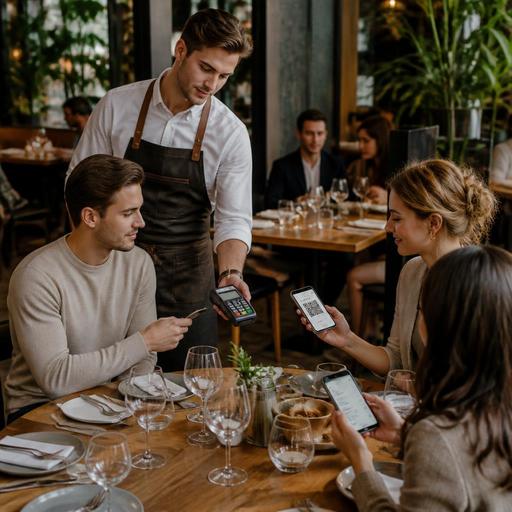
How Restaurants Cut Card Terminal Costs With Smarter Digital Workflows
For many operators, reducing payment terminal costs is not only about negotiating with a payment provider. It is also about fixing the daily service steps that create unnecessary terminal usage, extra staff trips, duplicate transactions, avoidable refunds, and slow table turns. When restaurants move ordering, bill review, and checkout into clearer digital workflows, they often create fewer payment bottlenecks and use their hardware more efficiently.
That matters in full-service restaurants, cafes, fast-casual concepts, and multi-location groups alike. A terminal is rarely expensive just because it exists. It becomes expensive when your team needs too many of them, when staff keep walking terminals across the floor, when split payments take too long, or when mistakes force reversals and re-runs. The practical goal is simple: make guests ready to pay faster, make staff touch the payment process fewer times, and keep each terminal productive for more of the shift.
Why terminal costs rise inside everyday service
Restaurant owners often look at rental fees, processing rates, or maintenance charges first. Those matter, but the bigger operational issue is workflow design. If your service model creates friction, you may end up adding more terminals than you really need just to keep up during busy periods.
Consider a common dinner rush problem. A server takes an order manually, enters it later, returns to confirm items, prints or explains the bill at the table, then brings a terminal only after the guest asks again. If the table wants to split the check by person or item, the server spends more time on the device while other tables wait. One terminal is now tied up longer than necessary, and management starts to think the solution is buying another device.
In many cases, the better solution is to reduce the number of steps before payment happens. If guests can see the live order total earlier, if modifications are captured accurately at the start, and if the bill is easier to review, the actual card-present payment becomes much faster.
- Order entry errors that lead to voids, refunds, or corrected checks
- Late bill presentation that keeps tables occupied longer
- Complex split payments handled manually at the terminal
- Too many staff handoffs between server, cashier, and floor manager
- Underused devices in quiet periods and shortages during peak hours
When you identify which of these issues is driving your terminal load, you can often lower cost pressure without changing your menu or service style.
Use digital ordering to shorten the path to payment
The fastest payment is usually the one prepared long before the terminal arrives at the table. Digital menus and table-side ordering help guests make decisions sooner, see item details clearly, and submit cleaner orders. That means fewer corrections later and a more accurate bill at checkout.
For example, a cafe with heavy lunch traffic may rely on staff to explain combo options, add-ons, and drink sizes during every order. That creates small but constant delays. If those choices are presented clearly in a digital menu, guests can review options on their own and place a more complete order. At payment time, there is less confusion about what was ordered and fewer disputed items.
In full-service dining, QR-based menus can also reduce the “waiting to ask for the bill” moment. Guests already know what they ordered, what extras were added, and what their likely total looks like. Staff can respond faster because the payment step is no longer the first time the guest is reviewing the transaction.
Useful workflow improvements include:
- Digitize menu discovery so guests choose with fewer staff interruptions.
- Capture modifiers clearly to avoid remakes and bill corrections.
- Route orders directly to kitchen or bar workflows to reduce manual re-entry.
- Keep order status visible so staff know when to prepare the bill.
- Make table records cleaner so checkout does not begin with reconciliation.
These are not small details. Every correction removed from the process makes terminal time more predictable and less labor-intensive.
Reduce the number of terminals you need through better floor design
Many restaurants overestimate how many terminals they need because they measure peak chaos instead of average service quality. A better question is: how many tables can one terminal support when the ordering and billing process is organized properly?
Imagine two similar dining rooms. In the first, servers take orders manually, ask the cashier to prepare checks, and borrow whichever terminal is available. In the second, servers work from a digital order flow tied to table status, and bills are organized automatically from the moment items are entered. The second restaurant may be able to serve the same number of guests with fewer devices because each payment takes less time and requires less searching, explaining, and fixing.
This does not mean every restaurant should cut terminal count aggressively. It means you should test whether better workflow can delay new hardware purchases or reduce the need for one terminal per staff member. For some operators, the win is not removing devices immediately but avoiding additional rentals as volume grows.
Questions to ask before adding another terminal
- Are terminals busy because demand is high, or because each payment takes too long?
- How often do staff wait for corrected checks before taking payment?
- Do guests ask basic bill questions that could have been clarified earlier?
- Are split checks common enough to justify a different billing workflow?
- Can one staff role handle more payments if order data is cleaner?
By answering these questions, managers can separate a real hardware shortage from a process problem.
Control refund, void, and chargeback risk with cleaner data
Another hidden terminal cost comes after the transaction. Incorrect items, duplicate charges, or unclear bills create extra admin work and can damage guest trust. While not every dispute is avoidable, many are linked to weak order capture and poor communication between the floor, kitchen, and cashier.
Digital workflows help by creating a clearer record of what the guest selected, when the order was sent, and what was added later. That is especially useful in busy environments where multiple staff members touch the same table. If a guest disputes an extra side dish or says they never approved an add-on, a clean digital trail makes it easier to review the situation quickly and respond fairly.
Restaurants can reduce downstream payment friction by focusing on three habits:
- Standardize item naming so bills are easier for guests to understand.
- Log modifications consistently instead of handling them verbally.
- Sync front-of-house and kitchen records so served items match billed items.
These habits do more than protect revenue. They also reduce the repeated terminal usage that comes from reversing mistakes and running cards again.
Train staff to treat payment speed as an operational metric
Technology alone will not lower terminal costs if the team still treats payment as the final, improvised step of service. Staff need a repeatable checkout rhythm. The best teams prepare for payment early, confirm table status often, and know exactly when to bring the bill or prompt the next step.
A practical training approach is to map the last ten minutes of the guest journey. When does dessert close? When is the bill prepared? Who handles split requests? When is the terminal brought over? Which mistakes force a manager override? Once these moments are documented, managers can remove unnecessary handoffs.
For example, a casual restaurant may discover that servers wait for guests to ask for the check even when plates are cleared and no further order is expected. A simple service standard such as reviewing table status immediately after mains or dessert can shorten payment delays without rushing the guest.
Digital systems support this by giving teams better visibility into table activity, open orders, and bill readiness. Platforms such as Restomas can help restaurants connect QR menus, order flow, and operational visibility so checkout becomes a cleaner extension of service rather than a separate bottleneck.
The goal is not to force guests into a cold, self-service experience. It is to remove avoidable friction around one of the most sensitive moments in hospitality: the request for money. When payment is clear, accurate, and timely, restaurants can often operate with fewer payment headaches, better terminal utilization, and less pressure to keep adding hardware. For many operators, that is the most practical path to lowering terminal-related costs over time.
If you are reviewing your ordering and checkout flow, Restomas can help you connect digital menus and service operations into a more efficient guest journey.
