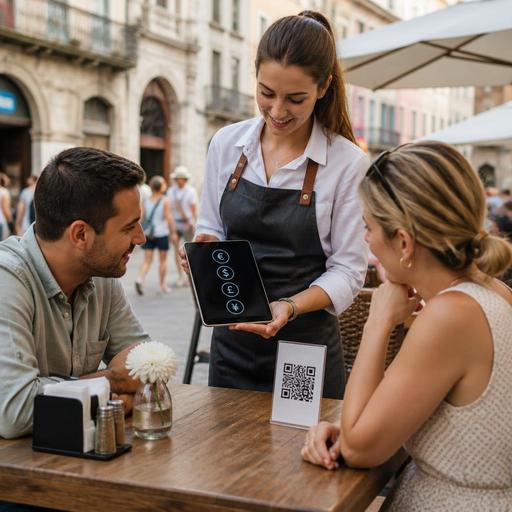
How Restaurants in Tourist Areas Build a Smart Multi-Currency Menu
A multi-currency menu strategy for restaurants in tourist areas is not just a pricing decision. It is a guest experience, operations, and trust decision. When travelers sit down in an unfamiliar city, they want to understand what they are ordering, what they will pay, and whether the restaurant feels transparent. If your menu creates hesitation around currency conversion, unclear taxes, or payment expectations, guests may order less, ask more questions, or leave with the feeling that the experience was harder than it needed to be.
For restaurants, cafes, and seasonal venues in tourist districts, ports, old towns, beach areas, airport corridors, and hotel zones, the goal is simple: make prices easy to understand without turning the menu into a confusing financial document. A smart approach balances clarity for guests with operational control for the business.
Why multi-currency menus matter in tourist-heavy locations
Tourist guests often make fast decisions. They may be tired, jet-lagged, and unfamiliar with local pricing norms. Even when they like your food concept, uncertainty can slow ordering. A menu that shows only the local currency may be technically correct, but it can still create friction when guests are mentally converting every item before they commit.
Consider a waterfront seafood restaurant where many guests arrive from cruise ships. If the menu lists only local currency, servers may spend extra time explaining price levels table by table. In a busy lunch service, that delay affects table turns and increases pressure on staff. By contrast, a digital menu that shows the base currency clearly and offers a guest-friendly reference in one or two major foreign currencies can help diners make faster, more confident choices.
The key word here is reference. Restaurants should avoid presenting exchange-based prices in a way that creates legal, accounting, or expectation problems. The main transactional currency should remain clear, and any secondary currency should be labeled appropriately if it is approximate or subject to payment provider rates.
Choose the right pricing structure before you translate currencies
Many restaurants start by asking which currencies to display. A better first question is: what pricing logic will we protect across all versions of the menu? If your menu engineering is weak, adding more currencies only multiplies confusion.
Start with a stable base menu in your primary operating currency. Then review:
- Core items: signature dishes that define your brand and should remain easy to compare across channels.
- High-variance items: seafood by weight, market fish, or seasonal products that may need flexible pricing language.
- Bundles and set menus: tasting menus, breakfast combos, and fixed-price lunch offers that are easier for tourists to understand.
- Add-ons: extras, side dishes, and modifiers that can become confusing if exchange values are shown inconsistently.
For example, a brunch cafe in a historic city center may keep all à la carte items in local currency while showing a simplified reference price in euro and U.S. dollar for its most popular breakfast sets. This approach helps guests anchor their spending quickly without forcing the restaurant to manage constant exchange updates on every modifier.
Another practical choice is to use rounded reference prices for readability while keeping the exact payable amount in the local currency. That reduces visual clutter and lowers the chance that guests debate tiny differences caused by daily exchange movement.
Design the menu so guests understand prices in seconds
Menu design matters as much as the currency itself. A poorly structured multi-currency menu can look chaotic and reduce trust. The objective is fast comprehension.
Use one clear primary currency
Your local operating currency should always be visually dominant. This is the currency used for billing, reporting, and most compliance processes. If you include another currency, present it as secondary and clearly labeled.
Label secondary currencies carefully
Simple wording can prevent disputes. Phrases such as approximate reference or converted for convenience help set expectations when exchange rates change. If card terminals or banks determine the final conversion, make that distinction clear before payment.
Avoid overloading every line
Not every restaurant needs three currencies on every item. In many cases, it is better to show:
- Local currency on all items
- One or two foreign currency references on bestsellers, set menus, or category headers
- A short note explaining billing currency and payment conversion
This works especially well in QR menus because the guest can switch language and pricing views without the printed menu becoming crowded.
Connect price clarity with dish clarity
Tourists often need more than currency help. They may also need better dish descriptions, allergen details, serving size guidance, or photos. A grilled fish plate may feel expensive if the guest does not realize it includes multiple sides or is intended for sharing. Clear menu descriptions support price acceptance.
Build an operational workflow for exchange updates and staff communication
The biggest risk in multi-currency menus is not guest interest. It is internal inconsistency. If your printed menu, QR menu, cashier screen, and server explanation all differ, confusion follows quickly.
Create a simple operating rule for who updates currency references, how often, and where the final approved version lives. For many independent restaurants, a weekly review is enough for reference pricing, especially when the menu states that the local currency is the billing currency. For highly volatile periods or premium concepts, you may need more frequent checks.
Your workflow should include:
- One source of truth: the master menu in the base currency
- One owner: a manager responsible for approving converted references
- One explanation script: a short staff message for guest questions about exchange differences
- One update process: refresh digital menus faster than printed ones when rates shift
Imagine a rooftop bar in a tourist district where cocktails are shown in local currency and euro reference pricing in the QR menu. If a guest asks why the card charge looks different from the reference amount, staff should be prepared with a calm, consistent explanation: the menu reference is for convenience, while the final conversion depends on the payment provider or bank. This reduces tension and protects service quality.
Digital menu systems are particularly useful here because they let operators update currency notes, featured menus, and language versions without reprinting every asset. That is helpful for seasonal restaurants that experience fast changes in guest mix.
Use multi-currency menus to improve upselling, not just clarity
When done well, multi-currency strategy can support revenue without feeling pushy. Guests who understand prices are more comfortable adding appetizers, desserts, or drinks. The restaurant can guide that decision through smart menu structure.
Practical examples include:
- Showing a fixed-price tasting menu with a clear foreign currency reference so guests can compare value quickly
- Bundling popular tourist-friendly items such as starter, main, and drink into an easy-to-understand package
- Highlighting local specialties with strong descriptions so the perceived value is about the experience, not only the number on the menu
- Using QR menus to present translated recommendations or pairing suggestions based on guest language
This is where menu management becomes strategic. Instead of treating foreign guests as people who only need conversion help, treat them as diners who need confidence. Confidence leads to smoother ordering and better acceptance of premium items.
It also helps to review guest questions regularly. If visitors often ask whether service is included, whether water is charged, or whether a dish is large enough for two people, those are menu communication problems. Solving them can matter more than adding another currency column.
What restaurant owners should do next
If your venue serves a meaningful number of international guests, your next step is not to redesign everything at once. Start with a focused test.
- Identify your top tourist-facing menu categories
- Choose one or two foreign currencies that match your actual guest mix
- Keep the local currency as the billing standard
- Add clear notes for reference pricing and payment conversion
- Train staff with a short explanation script
- Monitor guest questions, ordering speed, and common points of confusion
A strong multi-currency menu strategy is really a clarity strategy. It helps guests trust the menu, helps staff explain less under pressure, and helps managers keep pricing organized across service channels. In tourist areas, that combination can make the dining experience feel easier, more professional, and more welcoming from the first scan or first glance.
Restaurants using digital menu tools such as Restomas can manage language versions, menu updates, and guest-facing clarity more efficiently as tourist demand changes through the season.
