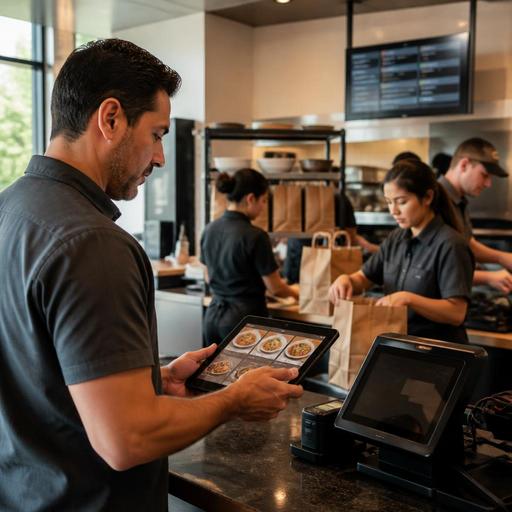
Multi-State Restaurant Menu Standardization for U.S. Chains
Multi-state restaurant menu standardization sounds simple until one brand operates in Texas, Illinois, Florida, and California at the same time. A burger combo may look identical on the guest side, but the operational reality can vary by sales tax handling, alcohol rules, delivery app settings, local supplier availability, and how each POS location maps modifiers. For U.S. restaurant groups, the goal is not to force every store into a rigid template. The real goal is to create a controlled menu system that protects brand consistency while still allowing state and market-level differences where they matter.
If you run a fast-casual chain, a diner group, a hotel restaurant brand, or a multi-unit QSR concept, menu standardization affects speed of service, reporting accuracy, food cost visibility, training, and guest trust. It also reduces the scramble when seasonal items launch, prices change, or a delivery marketplace listing goes out of sync with your in-store menu.
Build a master menu before you manage local variations
The most effective approach is to start with a master menu architecture. This is the brand-approved version of every item, modifier, combo, add-on, and category. Think of it as the operating blueprint behind the menu board, QR menu, takeout site, and third-party delivery apps.
For example, a 12-location chicken bowl brand might define one core item called “Grilled Chicken Bowl” with fixed recipe components, standard modifier groups, approved photography, allergen notes, and channel rules. That core item can then be adapted by market without creating a mess of duplicate listings.
What belongs in the master menu
- Standard item names so guests see consistent language across channels
- Recipe and portion definitions for kitchen consistency and inventory mapping
- Modifier logic such as choice of side, protein add-ons, spice level, or dressing selection
- Channel settings for dine-in, takeout, curbside pickup, direct online ordering, and delivery apps
- POS mapping rules so reporting stays clean across all locations
- Guest-facing notes such as allergy information, preparation notes, or alcohol restrictions where relevant
This matters in real U.S. operations. A food hall stall in New York and a suburban pickup-heavy location in Arizona may sell the same wraps, but one needs a tighter lunch rush flow while the other depends on curbside pickup and a pickup shelf. A single master menu helps both stores stay aligned while supporting different service models.
Separate brand standards from state and local exceptions
Many menu problems happen because operators mix core brand rules with local exceptions in the same workflow. Instead, define what must stay identical and what can flex by location or region.
For instance, a sports bar group may require the same wing flavors, naming, and plating standards nationwide, but allow local beer selections and state-specific alcohol availability. A breakfast chain may keep the same pancake stack and omelet builds everywhere, while adjusting bacon suppliers or side options based on distributor coverage.
Create three menu control layers
- Brand-wide required items that every location must carry unless formally approved otherwise
- Regional options for market taste, climate, supplier realities, or venue type
- Location-specific exceptions for airports, hotels, stadium concessions, or temporary stock constraints
This layered structure is especially useful for groups operating across multiple states with different operating environments. An airport concession may need a shorter breakfast menu and faster packaging flow. A hotel restaurant may need room service formatting and late-night availability. A food truck may need a highly compressed version of the same menu because of limited prep and storage space.
When local rules touch alcohol service, menu labeling, service charges, accessibility, employment practices, or tax treatment, keep your process operational rather than interpretive. Build a review step with your legal, tax, HR, or compliance advisors and verify current federal, state, and city guidance before rollout.
Standardize the back-end data, not just the guest-facing menu
Many restaurant groups think they have standardized menus because the names look similar online. But if one location rings “Cheeseburger Add Bacon” as a modifier and another creates it as a separate item button, your reporting breaks. The guest may never notice, but your operations team will see the damage in food cost, void tracking, and sales mix analysis.
Back-end consistency should cover POS item IDs, modifier groups, kitchen display routing, tax category mapping, and inventory links. This is where a digital menu and ordering platform becomes operationally valuable, because it can help distribute approved menu structures across locations without requiring every GM to rebuild items manually.
Back-end standards to lock down
- Item IDs and naming conventions across all stores and channels
- Modifier hierarchy so upsells and substitutions report the same way
- Kitchen display system routing for grill, fry, expo, bar, or dessert stations
- Inventory ingredient mapping to support purchasing and waste analysis
- Order throttling rules for direct ordering and delivery marketplaces during peak periods
- Pickup and curbside workflow tags so off-premise orders move cleanly from POS to shelf or handoff point
A practical example: a 20-unit fast-casual taco brand launches a limited-time birria taco in six states. If each store sets up the item differently, the brand cannot compare performance or forecast beef usage accurately. If the item is deployed from one approved template with the same modifier structure and KDS routing, the rollout becomes easier to train, measure, and update.
Use menu governance to control pricing, channels, and accessibility
Standardization does not mean every price must be the same. Rent, labor, freight, and competitive positioning differ widely between Manhattan, suburban Ohio, and a highway travel plaza. What should be standardized is the pricing workflow: who approves changes, how they are timed, and how they sync across dine-in, QR ordering, direct online ordering, and delivery apps.
The same is true for service charges, auto gratuity practices, and tipping workflows. These can affect guest communication and POS setup, but requirements and expectations vary by jurisdiction and concept type. Make sure servers, cashiers, and managers know how charges appear on the check and how tips are reported in your systems, then verify current rules with qualified advisors.
Accessibility also belongs inside menu governance. If your group leans heavily on QR ordering, provide an ADA-minded path for guests who cannot or do not want to use a phone. That can mean printed menus on request, staff-assisted ordering, or accessible digital formats. Operators should confirm current accessibility expectations with appropriate professional guidance, especially when redesigning guest-facing ordering flows.
For larger chains, menu labeling workflows may also need review when calorie disclosures or related requirements apply. If your concept approaches federal or local menu labeling thresholds, build a process for reviewing updates before publishing and verify the latest official guidance.
Roll out changes with a repeatable field process
The best menu structure still fails without disciplined rollout. Every update should move through a repeatable checklist so stores do not discover errors during the lunch rush.
A practical rollout checklist
- Approve the master item build with operations, culinary, and finance input
- Map POS, KDS, and online ordering settings before publishing
- Set market-level exceptions for pricing, alcohol, availability, or packaging
- Test on every channel including QR menus, direct ordering, and delivery apps
- Train managers and frontline staff on item names, modifiers, and guest questions
- Audit the first week of sales for ordering errors, voids, prep bottlenecks, and guest confusion
Consider how this plays out in different U.S. concepts. A family dining group can test whether combo meals print correctly to the kitchen and appear correctly on checks. A coffee chain can confirm milk modifiers and bakery inventory sync across mobile ordering and in-store POS. A hotel restaurant can check that room service items route differently from lobby pickup. A stadium venue can simplify categories for high-volume ordering bursts without breaking brand standards.
Menu standardization across multiple states works best when operators treat it as a system, not a design project. Define the master menu, allow controlled local flexibility, standardize the back-end data, and use a rollout checklist every time. That is how restaurant groups protect the brand while still serving real local markets efficiently.
Restomas can help restaurant groups manage digital menus, ordering flows, and multi-location updates from a more centralized operational setup.
