How Delivery Packaging Decisions Influence Restaurant Guest Satisfaction
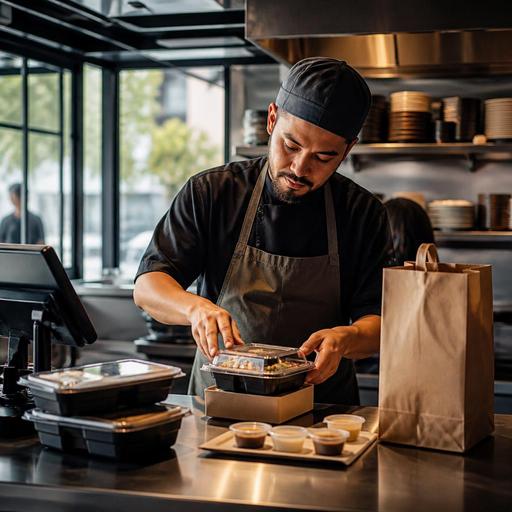
Delivery packaging decisions influence restaurant guest satisfaction far more than many operators realize. By the time an order reaches a guest, packaging has become part of the meal itself. It protects temperature, preserves texture, prevents spills, communicates care, and shapes whether the guest feels your restaurant is organized and trustworthy. For dine-in service, plates, timing, and staff interaction carry much of the experience. For delivery, the bag, box, lid, label, and packing process take over many of those roles.
This matters because guests do not separate food quality from packaging performance. If fries arrive soggy, soup leaks into the bag, or sauces are missing, they rarely think, the kitchen did well but the container failed. They simply feel disappointed by the restaurant. For owners and managers, that means packaging should be managed with the same seriousness as menu engineering, prep systems, and order accuracy.
Why packaging affects satisfaction before the first bite
Guests begin judging a delivery order the moment they receive it. A clean, well-sealed package creates confidence. A crushed container or poorly closed lid creates doubt before the food is even opened. Packaging sets expectations about freshness, professionalism, and attention to detail.
Consider a simple burger-and-fries order. If the burger is packed tightly in a vented clamshell that protects structure and the fries are separated in a container that releases steam, the guest is more likely to experience the food as intended. If both are packed into one sealed box, steam can soften the bun and ruin the fries. The recipe has not changed, but satisfaction drops.
The same principle applies across cuisines:
- Soups and stews need secure lids, upright handling, and clear separation from dry items.
- Fried foods need ventilation so condensation does not destroy crispness.
- Cold desserts need insulation from hot dishes.
- Sauced dishes may need inner seals or secondary wrapping to reduce leaks.
- Build-your-own meals often benefit from compartmentalized packing to preserve texture and presentation.
In other words, packaging is not one purchasing decision. It is a menu-specific operational system.
Common packaging mistakes that quietly damage repeat business
Many restaurants focus on visible mistakes such as wrong items or missing drinks, but quiet packaging failures can be just as harmful because they create friction that guests remember. These issues often appear small inside the operation, yet feel significant in the guest experience.
Using one container for every dish
A universal container may simplify storage, but it often hurts food quality. Pasta, grilled meats, salads, ramen, and pastries all travel differently. Standardization is useful only when it supports the product.
Ignoring steam and condensation
Hot food releases moisture during transit. Without venting, crispy items soften and bread becomes damp. Operators sometimes blame the delivery time when the real problem is trapped steam.
Overpacking the bag
Heavy stacking crushes delicate items and increases spills. A bag that is too full also makes it harder for guests to unpack the order cleanly.
Missing labels and identifiers
When guests order for a family or office, unlabeled items create confusion. A simple label such as spicy chicken, no onion, or vegan bowl reduces friction and shows care.
Separating packaging from order management
If the team treats packaging as an afterthought, execution becomes inconsistent. The kitchen may prepare food correctly, but the final handoff fails because nobody owns the packing standard.
These mistakes are especially costly because they affect reorder behavior. Guests may not complain every time, but they often change restaurants quietly after a few disappointing delivery experiences.
How to build a packaging system around your actual menu
The most effective approach is to review packaging item by item, not supplier by supplier. Start with your highest-volume delivery dishes and ask what each one needs to arrive in good condition after a realistic travel window.
- Group menu items by travel behavior. Create categories such as crispy, saucy, chilled, layered, fragile, and customizable.
- Test each dish after transit. Pack it, wait the typical delivery time, then open and taste it as a guest would.
- Document the correct container and packing method. Include details like vented lid, sauce on side, dessert packed separately, or double-bag soup.
- Reduce avoidable menu complexity. If a dish consistently travels badly, adjust the recipe, plating, or delivery availability.
- Train the packing station. The final check should include item accuracy, seal integrity, labels, utensils if needed, and bag organization.
For example, a rice bowl concept might decide that hot protein and rice go in one vented base, fresh herbs and crunchy toppings go in a separate cup, and dressing is always packed on the side. A dessert shop may decide that cold items are never bagged with hot drinks. A pizza operator may add box inserts or seals for specific side items rather than placing everything loosely in one large bag.
This kind of clarity helps staff move faster while protecting consistency.
Operational habits that make packaging more reliable
Good packaging is not only about materials. It depends on workflows, communication, and visibility. Restaurants that perform well in delivery usually define a repeatable packing process instead of relying on memory.
One practical step is to create a packing checklist for each order type. Family meals, single lunch orders, beverage-heavy tickets, and allergy-sensitive orders may all need different checks. Another useful habit is to assign responsibility at the handoff point. Someone should confirm that the order is packed according to standard before it leaves the kitchen or pickup shelf.
Digital tools can support this process. When your menu, modifiers, and order notes are organized clearly, staff are less likely to miss sauces, side choices, or packaging exceptions. If your restaurant uses digital menu management and order workflows, you can keep item descriptions, modifier logic, and special instructions aligned across channels. That reduces confusion between what the guest selected and what the team packs.
Restaurants also benefit from reviewing complaint patterns. If guests repeatedly mention soggy items, leaks, or mixed-up components, those are not random issues. They are signals that a packaging standard or menu setup needs improvement. A platform like Restomas can help operators keep digital menus current, organize order details more clearly, and reduce friction between incoming orders and back-of-house execution.
Practical actions owners can take this month
If you want to improve delivery satisfaction without a full menu overhaul, start with a short, focused packaging review.
- Audit your top 10 delivery items and note temperature, texture, leakage, and presentation after transit.
- Identify the three most frequent guest complaints related to off-premise orders and trace them back to packing decisions.
- Create a simple packaging guide with photos or short instructions for staff.
- Separate hot, cold, and fragile items more deliberately inside each order.
- Label customized dishes clearly for families, groups, and office orders.
- Review your online menu wording so guests understand what travels best and what comes with sauces or sides on the side.
- Test changes in real conditions using normal delivery times rather than immediate tasting in the kitchen.
Small improvements can have a visible effect because they reduce disappointment at the final moment of the transaction. Guests may not praise a vented box or a well-organized bag directly, but they notice when the meal arrives intact, appetizing, and easy to enjoy.
Delivery packaging is quiet by nature, yet it carries a loud message about your standards. When restaurants treat packaging as part of food quality, not just a supply cost, they protect guest trust and make repeat orders more likely. If you want a smoother link between digital orders, menu clarity, and consistent execution, Restomas can support that process in a practical way.
