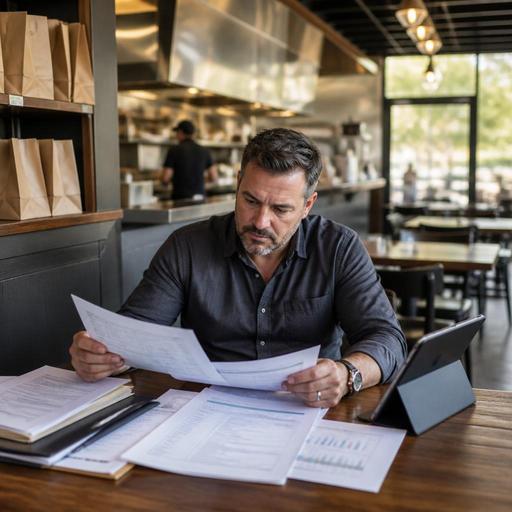
Restaurant Valuation Checklist: U.S. Records Owners Should Prepare Early
If you expect a future sale, refinancing, partner buyout, estate transition, or investor conversation, restaurant valuation prep should start long before anyone asks for files. In the United States, buyers and lenders usually want more than a profit-and-loss statement. They want to see how your restaurant actually runs: how checks flow through the POS, how delivery apps compare with direct online ordering, how labor is scheduled, how tips and service charges are tracked, and whether sales trends hold across dine-in, takeout, catering, and curbside pickup. A neighborhood diner, a food truck, a hotel restaurant, and a five-unit fast-casual brand will all present different records, but the goal is the same: make the business understandable, defensible, and easier to evaluate.
Start with clean financial records and source reports
Most valuation work begins with financial statements, but operators should also organize the reports behind those numbers. A buyer reviewing a Chicago breakfast cafe may ask for monthly profit-and-loss statements, balance sheets, bank statements, merchant processing summaries, sales tax filings, and POS sales reports by revenue center. If the cafe runs dine-in, takeout, and delivery apps, the reviewer may want each channel separated so they can see whether sales are diversified or overly dependent on one marketplace.
Keep records in a month-by-month folder structure and make sure deposits can be tied back to POS and payment activity. If your restaurant uses multiple systems, such as one POS for in-house checks and separate tablets for third-party delivery, reconcile them into a single operating view. For example, a Texas burger shop with a pickup shelf and curbside pickup should be able to show which orders came through direct online ordering, which came from delivery apps, and how refunds or chargebacks were handled.
Useful records often include:
- Year-to-date and prior-year profit-and-loss statements
- Balance sheets and cash flow records
- Business bank statements and loan statements
- Merchant processor summaries and chargeback records
- POS sales reports by daypart, channel, and location
- Sales tax filings and supporting sales summaries
- Gift card liability records and house account balances if used
If your books include owner-specific or one-time expenses, label them clearly so your accountant can help explain them. Do not guess at adjustments. U.S. tax, accounting, and reporting treatment can vary, so operators should confirm presentation with a qualified accountant or transaction advisor.
Document labor, tipping, and operating consistency
In many U.S. restaurants, labor is one of the first areas a buyer studies because it affects margins, service reliability, and compliance risk. For a full-service restaurant in Florida, that may mean server schedules, bartender coverage, host staffing, and closing checklists. For a QSR in Arizona, it may mean drive-thru timing, line staffing, and prep labor by shift. Organize payroll summaries, timekeeping reports, scheduling records, and any written training materials that show how the operation stays consistent.
Tipping workflows matter too. If a buyer cannot understand how tips move from check closeout to payroll or payout, they may see unnecessary risk. Keep a simple record of how your team handles credit card tips, cash tips, pooled tips if applicable, manager permissions, and end-of-day reconciliation. If your operation uses service charges for banquets or large parties, separate those records from gratuities so the reporting trail is easy to follow. Because tip reporting, wage treatment, and service charge handling can differ by jurisdiction and setup, verify current requirements with payroll professionals and official guidance rather than relying on old habits.
Helpful labor documents include:
- Payroll summaries by pay period
- Timeclock and overtime reports
- Labor scheduling templates and manager labor targets
- Tip payout or tip reporting workflow documentation
- Employee handbooks, onboarding checklists, and training guides
- Open position history and turnover notes if tracked
A buyer looking at a multi-location fast-casual salad brand will want to know whether labor control depends on one strong general manager or a repeatable system. Clear records help answer that.
Show how revenue is built across channels and guest touchpoints
Valuation is not only about past sales. It is also about whether revenue is durable. Organize records that show how guests find you, order from you, and return. For a suburban pizza shop in New Jersey, this may include dine-in checks, phone takeout, direct web orders, delivery app mix, school catering, and Friday curbside pickup. For an airport concession, it may include peak-hour throughput, grab-and-go sales, and limited-menu performance.
Try to present revenue in a way that explains the business model:
- Break sales out by channel: dine-in, bar, takeout, direct online ordering, third-party delivery, catering, and events.
- Track average check or ticket trends by channel where available.
- Show repeatable demand patterns such as weekday lunch, game-day traffic, hotel breakfast, or weekend brunch.
- Keep records of promotions, loyalty campaigns, and menu changes that affected sales.
Concrete examples matter. A sports bar near a stadium may show strong event-day spikes but also prove stability through lunch specials and pickup orders on non-event days. A food truck operator in Los Angeles may organize commissary records, event calendars, and mobile POS summaries to show predictable routes and private booking demand. A buyer is not just buying your menu; they are buying the reliability of your guest demand.
If you use QR menus, QR ordering, reservation tools, or direct ordering links, save reports that show adoption and operational impact. Even simple metrics such as fewer order-entry errors, faster table turns, or stronger direct ordering mix can support the story of a well-run business, as long as the records are grounded in actual system reports.
Organize asset, lease, vendor, and compliance-related files
Restaurant value can rise or fall based on what sits outside the profit-and-loss statement. A buyer may care deeply about the remaining lease term, transfer conditions, equipment ownership, liquor-related approvals where applicable, and major vendor relationships. A hotel restaurant operator may need to show management agreements or brand-related operating constraints. A food hall stall may need to show common-area rules and utility arrangements. A franchisee may need organized franchisor documents and approved supplier terms.
Build a digital folder for:
- Current lease, amendments, renewal options, and landlord notices
- Equipment lists with purchase dates, financing status, and maintenance history
- Vendor contracts for food, beverage, linen, pest control, waste, and technology
- POS, online ordering, payment, reservation, and kitchen display system agreements
- Insurance policies and claims history
- Licenses and permits relevant to operations
Some documents touch legal or regulatory areas, including ADA-minded access, menu labeling context for larger chains, alcohol service, and local health requirements. Keep them organized, but do not assume older documents reflect current rules. Operators should verify current federal, state, and local requirements with qualified advisors and official agencies when preparing for a transaction.
Build a buyer-ready data room before you need one
The best time to organize records is when you are not under pressure. Set up a simple digital data room with standardized file names, monthly folders, and a short index so an accountant, lender, or buyer can follow the business quickly. This is especially important for multi-unit groups. A three-location taco concept in California should be able to separate store-level performance while also showing group purchasing, shared labor roles, and central overhead.
Use a practical workflow:
- Assign one owner, controller, or operations lead to own document collection.
- Export core reports monthly from the POS, payroll, ordering, and payment systems.
- Reconcile deposits, refunds, discounts, comps, and third-party settlements.
- Store signed contracts and lease updates in one searchable place.
- Review missing records every quarter instead of waiting for a deal process.
This is also where integrated systems help. When menu updates, direct ordering, payment records, reservations, and kitchen workflows are easier to pull into one operating picture, valuation prep becomes less of a scramble. Restomas can help operators centralize day-to-day restaurant data so the business is easier to understand when important financial conversations begin.
