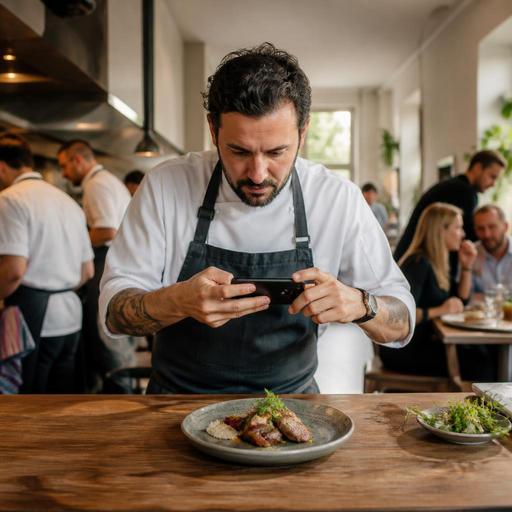
30 Days of Instagram Reels Ideas for Restaurant Marketing
Instagram Reels for restaurant marketing can feel overwhelming when operators already juggle service, staffing, purchasing, and guest communication. The good news is that Reels do not require a studio, a full-time creator, or complicated campaigns. What they do require is consistency, a simple structure, and content that reflects the real experience guests can expect. For restaurants, cafes, and food-service brands, the most effective short videos usually show food, people, process, and atmosphere in a way that feels immediate and honest.
This guide gives you a practical 30-day approach you can actually run during normal operations. Instead of chasing trends every day, you will build a repeatable system: film small moments, organize them by theme, connect them to your menu and service goals, and turn social attention into visits, reservations, or direct orders.
Why Reels work especially well for restaurants
Restaurants have a natural advantage on short-form video because the product is visual, sensory, and time-based. Steam rising from a dish, the sound of espresso extraction, a bartender finishing a garnish, or a server placing a plate at the table all create movement that suits Reels better than static photos.
Just as important, Reels let you market more than food. You can show pace, hospitality, cleanliness, consistency, personality, and craft. That matters because guests do not choose a restaurant only for one menu item. They choose based on trust, mood, convenience, and the promise of a good experience.
When planning content, think in four buckets:
- Menu appeal: signature dishes, limited specials, pairings, dessert moments, drinks
- Behind the scenes: prep, plating, sourcing, opening routines, quality checks
- Guest experience: table atmosphere, reservation moments, service style, events
- Brand personality: chef voice, team introductions, neighborhood connection, values
These buckets keep your feed balanced and help prevent the common mistake of posting only polished food close-ups with no human context.
How to set up a simple restaurant Reels workflow
Before the 30-day plan, make the process manageable. Many restaurant owners stop posting because content creation depends on one busy person. A lighter workflow works better.
Assign clear roles
One person should own the content calendar, but filming can be shared. For example, a chef can capture prep, a floor manager can film guest-facing moments before service, and a barista or bartender can record drink sequences. Ownership matters more than perfection.
Create repeatable filming rules
- Film vertically.
- Use natural light when possible.
- Keep clips short, usually a few seconds each.
- Capture hands in motion, not only finished plates.
- Record before, during, and after service for variety.
- Avoid noisy, cluttered backgrounds when speaking on camera.
You do not need every Reel to be heavily edited. In fact, simple clips often feel more trustworthy. The goal is not cinematic production. The goal is to make the restaurant feel active, desirable, and real.
Link social content to operations
Your Reels should match what guests actually encounter. If you promote a seasonal item, make sure it is easy to find in your digital menu. If you post a busy brunch scene, your reservation flow should be clear. If a Reel highlights add-ons, pairings, or dessert upgrades, your menu structure should support those choices. This is where digital restaurant tools quietly help: a QR menu, reservation flow, and organized menu categories make it easier for interest from social media to become action instead of confusion.
A practical 30-day Instagram Reels plan
Use this plan as a starting point. You can film several items in batches and post them across the month.
- Signature dish hero shot: show plating and final table presentation.
- Best seller explained: chef or manager says why guests keep ordering it.
- Morning opening routine: lights on, prep stations, coffee machine warming up.
- One ingredient story: highlight fresh herbs, bread, seafood, or house-made sauce.
- Before and after: empty dining room to full service atmosphere.
- Staff pick of the week: one team member shares a favorite menu item.
- Quick kitchen sequence: pan, garnish, pass, serve.
- Reservation night teaser: set tables, candles, bar setup, music mood.
- Limited-time special: explain when it is available and who it is for.
- Drink pairing: show a dish with wine, mocktail, or coffee pairing.
- Guest question answered: for example, spicy level, portion style, or vegetarian options.
- Dessert close-up: cutting, pouring, dusting, or melting moment.
- Meet the chef: a short introduction with one cooking principle.
- Speed service moment: lunch rush coordination or pickup handoff.
- How to order smarter: suggest a combo, add-on, or sharing order.
- Behind the bar: espresso pull, milk texture, cocktail garnish, or tea ritual.
- Fresh delivery arrival: produce, bakery items, or seafood inspection.
- One table experience: water, starters, mains, dessert in sequence.
- Neighborhood angle: why people stop by before work, after shopping, or on weekends.
- Team culture moment: lineup, tasting, pre-service briefing, or celebration.
- Menu update alert: announce a new item and where to find it.
- Common mistake guests make: such as missing a lunch cutoff or not booking ahead for peak hours.
- Chef tip: one simple cooking or ingredient tip relevant to your cuisine.
- Guest favorite combo: appetizer, main, and drink sequence.
- Event setup: private dining, live music night, or special tasting menu preparation.
- Problem solved: show takeaway packaging, direct pickup flow, or easy browsing via QR menu.
- Seasonal mood Reel: patio setup, rainy-day comfort dish, summer iced drinks.
- One minute of service: a fast montage of real operations.
- Social proof moment: capture genuine guest reactions without scripting.
- Month recap: best dishes, best moments, and what is coming next month.
This kind of plan works because it mixes selling, storytelling, and trust-building. Not every Reel should ask people to buy immediately. Some should simply make your restaurant memorable.
How to turn views into reservations and orders
A Reel that gets attention but creates no next step is incomplete. Each post should answer one quiet question: what should the viewer do now?
That next step could be booking a table, checking the menu, ordering directly, saving the post, or sharing it with a friend. Keep the action simple and relevant. If the Reel shows your lunch set, direct people to the menu. If it shows a Friday dinner atmosphere, direct them to reservations. If it highlights a limited dessert, mention availability clearly.
Operational clarity matters here. When your digital menu is organized, specials are updated quickly, and reservation information is easy to access, your social media content performs better because guests can move from curiosity to decision without friction.
Use practical calls to action
- For dine-in: “See tonight’s specials in our menu.”
- For reservations: “Weekend tables fill early, book ahead.”
- For cafes: “Save this for your next coffee break.”
- For direct ordering: “Order this combo for pickup from our menu.”
These are specific without sounding pushy, and they connect content to real business goals.
Common mistakes restaurants make with Reels
The biggest mistake is inconsistency caused by overcomplication. If every video requires perfect editing, custom audio, and a full team, posting will stop during busy weeks. Build a system that survives real restaurant life.
Another mistake is focusing only on trends and ignoring the actual guest journey. A funny Reel may get views, but if it does not reflect your concept, menu, or atmosphere, it may not attract the right audience. Relevance beats novelty over time.
Also avoid posting items that are unavailable, outdated prices, or experiences that do not match current service. Marketing should support operations, not create confusion for staff and guests.
Finally, do not hide the humans behind the restaurant. Guests connect with faces, voices, routines, and craft. A polished dish matters, but the team preparing and serving it is often what makes content believable.
Instagram Reels become much easier when you stop treating them as separate from the business. They are an extension of menu strategy, service design, and daily operations. When content reflects what your restaurant truly does well, it becomes easier to film, easier to trust, and more likely to bring in the right guests. If you want that social attention to connect smoothly with digital menus, reservations, and day-to-day restaurant workflows, Restomas can help keep the guest journey consistent from first view to final order.
